Quick Answer: Korean food culture offers distinctive material for design and illustration portfolios when engaged specifically rather than generically. Productive approaches: family food traditions specific to your household, regional food specialties with personal connections, food rituals and their cultural meanings, contemporary Korean food scene documentation, traditional preparation processes. Weak approaches: generic “Korean food” illustration, tourist-perspective K-food content, bibimbap and kimchi as universal signifiers without personal angle, Instagram-food aesthetic without substance. Illustration programs particularly receptive to food content when substantively engaged. Royal Blue Art guides Korean students through food culture portfolio work with 19+ years of placement experience.
| Grade/Year | Portfolio Focus | Hours/Week | Key Milestone |
|---|---|---|---|
| 9th Grade | Foundation: drawing, color theory, diverse media | 5-8 | Build foundational skills |
| 10th Grade | Explore specific interests, life drawing, mixed media | 8-12 | Identify creative direction |
| 11th Grade | Develop personal voice, ambitious projects | 12-18 | Build 15+ strong pieces |
| 12th Grade (Fall) | Curate portfolio, write essays, research schools | 15-20 | Submit applications |
| Summer (any) | Art camps, intensive studios, personal projects | 20-30+ | Accelerate development |
Frequently Asked Questions
Q1. When should I start building my art school portfolio?
The ideal timeline begins in 9th or 10th grade (age 14-15) for students planning to apply to US art schools. Early preparation allows genuine artistic development rather than rushed portfolio manufacturing. 9th grade: explore diverse media, develop foundational skills, take drawing classes. 10th-11th grade: identify your creative direction, develop more ambitious projects, research programs. 12th grade: finalize portfolio, write personal statement, apply. Students who start in 12th grade often submit technically polished but artistically underdeveloped work.
Q2. How many pieces should be in an art school portfolio?
Most programs request 12-20 pieces, with sweet spots around 15 works. Quality is more important than quantity—14 exceptional pieces are more impressive than 20 mediocre ones. Include only your best work; padding with weaker pieces dilutes the overall quality impression. Many programs also specify proportion of required pieces (some works must be from direct observation, for example). Read each school’s portfolio guidelines carefully, as requirements vary significantly by program and institution.
Q3. What types of artwork should I include in my portfolio?
A strong portfolio typically includes: direct observational drawing (life drawing, still life, landscape)—which demonstrates fundamental skill; work in multiple media (drawing, painting, collage, digital, photography, 3D) showing versatility; your strongest conceptual or thematic work; process documentation (sketches, iterations) for 1-2 projects; and a few pieces in your developing personal style. Avoid submitting only one type of work—even if you’re applying to Illustration, showing painting and life drawing demonstrates broader artistic capacity.
Q4. Should I include unfinished work in my portfolio?
Unfinished work can be valuable if it reveals your thinking process more clearly than finished work. A sketch that shows dynamic gestural thinking may be stronger than a finished, tightened version of the same image. The key question is: does this piece contribute to a positive overall impression, or does it raise doubts? Process documentation (sequential sketches showing how a piece developed) is different from simply submitting incomplete work—the former demonstrates thinking, the latter can suggest poor time management.
Q5. How important are observational drawing skills for art school?
Observational drawing—drawing from direct observation of figures, objects, landscapes—remains fundamental at virtually all art schools. Even programs with strong digital or conceptual emphases expect applicants to demonstrate they can observe and render the visual world accurately. Life drawing is particularly important: figure drawing classes appear at every major art school. Students who neglect observational drawing in favor of exclusively digital or stylized work often struggle in first-year programs. Take life drawing classes throughout high school.
Q6. How should I document and photograph my portfolio work?
Portfolio documentation significantly affects how work is perceived. For 2D work: shoot in natural light or even, non-directional artificial light; ensure the image is straight (not skewed); show the full work without cropping; shoot on a neutral background; crop out any table edges or props; use a camera (not phone camera) for large works. For 3D work: multiple views from different angles; neutral background; scale reference if helpful. For digital work: submit final files directly rather than photographing screens. Poor photography of strong work is a common application mistake.
Q7. What is a ‘home test’ and how should I approach it?
A home test is a creative assignment given to art school applicants as part of the application. RISD’s famous ‘bicycle’ drawing and their abstract geometric prompt are examples. Approach the home test as a creative challenge, not a technical exercise—programs want to see how you think and respond to creative constraint, not whether you can execute the most technically polished version. Read the prompt carefully for specified constraints; beyond those, interpret as broadly and originally as possible. The most memorable responses are genuinely surprising.
Q8. How do art schools evaluate portfolio work from Korean preparation academies?
US admissions committees regularly review portfolios from Korean art preparation academies (입시 미술학원). They have developed familiarity with both the strengths (strong technical foundation, disciplined drawing skills) and weaknesses (formulaic compositions, lack of personal voice) of Korean academy preparation. Portfolios that transcend the academy template—showing genuine personal creative interests, unexpected conceptual choices, or distinctive visual language—stand out strongly. Include work from outside your academy preparation that reflects your authentic creative interests.
Q9. What should I include in my artist statement for art school applications?
An artist statement for art school applications should: explain your creative motivations authentically and specifically; describe what questions or ideas drive your work currently; connect your past development to your future aspirations; reference specific influences (artists, experiences, cultural backgrounds) that inform your work; and demonstrate that you’ve researched the specific program and can articulate why it fits your trajectory. Avoid vague generalizations (‘I’ve always loved art’); be specific about your current creative preoccupations and what you want to develop further.
Q10. How do digital portfolios differ from physical ones?
Most art school applications now use digital portfolio submission through platforms like SlideRoom, Acceptd, or the school’s own portal. Digital portfolios: must be high-resolution (minimum 1500px longest side, ideally 2000+); should be in appropriate file formats (JPEG for still images, PDF for process documentation, video for time-based work); require accurate color profiles; and benefit from thoughtful sequencing since reviewers often view quickly. A well-presented digital portfolio can exceed a physical portfolio in impact if the documentation is high quality. Include any 3D or installation work through multiple-view photography.
Working with Korean food culture design illustration in portfolios opens distinctive territory for many applicants. According to successful portfolios at programs including RISD, Parsons, and illustration-focused programs, food culture work can produce compelling material. At Royal Blue Art & Design in Apgujeong, Seoul, we guide students working with food content.
This guide covers productive food culture engagement.
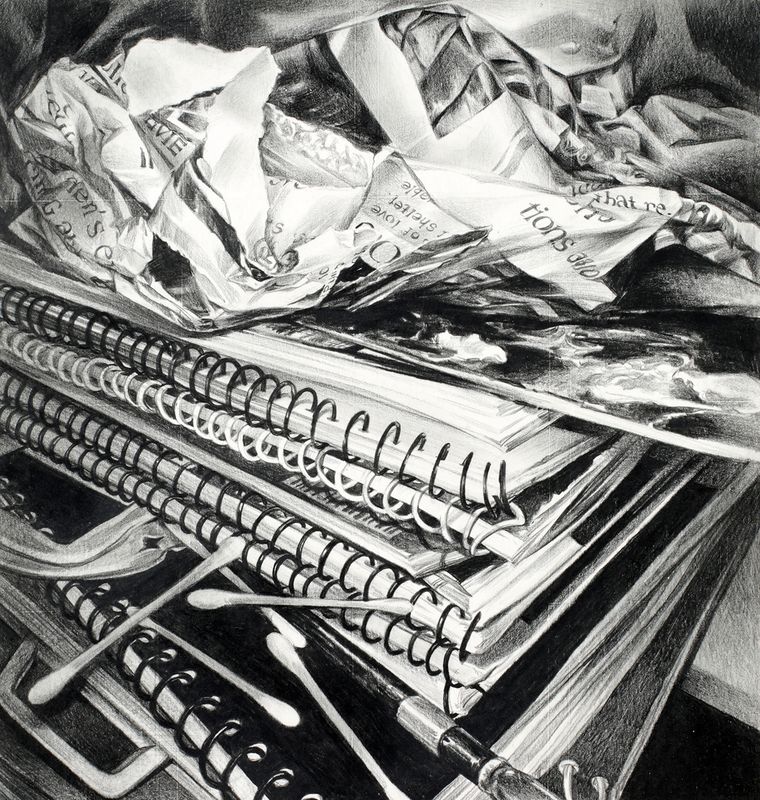
Rich Korean Food Territory
Korean food culture offers substantial material: seasonal food traditions (계절 음식) changing throughout year, ritual and ceremonial foods (제사 음식, 명절 음식), regional specialties with distinct character (Jeolla, Gyeongsang, Jeju, North Korean origin), fermentation traditions (kimchi, jang, jeotgal) with deep cultural significance, daily meal structure and social meanings, contemporary Korean food evolution (fusion, convenience, K-food global), family food traditions specific to each household, food preparation as cultural knowledge transmission. Each area offers substantive material. Generic “Korean food” overlooks specific richness. Specificity distinguishes work.
Family Food Traditions
Family-specific food material: your grandmother’s specific recipes, family holiday food preparations, regional food traditions your family maintains, food objects used in your family (specific pottery, tools), foods you grew up eating with particular meanings, your family’s food memory across generations, changes in family food across time. Family food material uniquely yours — no other applicant has your exact family food culture. This specificity distinguishes portfolios. Generic Korean food imagery interchangeable across applicants. Your specific grandmother’s specific kimchi-making method distinguishes you. Personal specificity produces memorable work.
Illustration Program Applications
Food content particularly productive for illustration programs: food illustration itself as distinct illustration genre, editorial illustration about Korean food trends, narrative illustration about food-related memories or stories, children’s book illustration teaching Korean food traditions, cookbook design and illustration, food packaging illustration. RISD Illustration, Parsons Illustration, Pratt Communications Design, SVA Illustration, SCAD Illustration all appreciate substantive food content. Food illustration as specific genre has professional market Korean students can prepare for. Technical food illustration skills transfer to professional practice post-graduation.
Design Program Applications
Food content applications to design programs: food packaging design for Korean products, restaurant and cafe branding drawing on Korean food culture, cookbook and food publication design, food delivery and service design, sustainable food system design, tableware and dining product design. Design programs value thinking about food systems beyond just visual depiction. Parsons Communication Design, Pratt Communications Design, MICA Graphic Design, SCAD Graphic Design all value substantive food design engagement. Focus on design thinking about food rather than just illustration when targeting design programs.
Contemporary Korean Food Scene
Current Korean food culture offers distinctive material: contemporary Seoul food scene (Gwangjang Market, Euljiro, Seongsu), emerging Korean chefs and their philosophies, Korean food export and global adaptation, Korean coffee culture evolution, Korean dessert and bakery scene development, contemporary Korean home cooking trends, Korean food media (Korean Food TV programs, food Instagram), generational changes in Korean food practices. Contemporary scene offers material not fully documented in Korean food history books. Students engaged with contemporary Korean food have current material beyond traditional content. Food culture continues evolving — current moment worth documenting artistically.
Avoiding K-Food Cliché
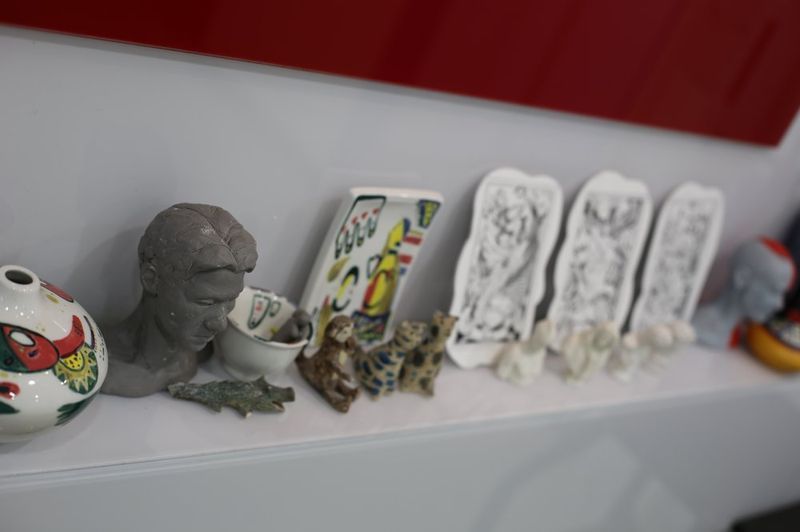
Common K-food portfolio mistakes: bibimbap illustration as universal Korean food signal, kimchi imagery as cultural authenticity marker, BBQ scene as Korean food totality, spicy-food emphasis for exotic effect, Instagram-ready food photography without depth, tourist-perspective Korean food presentation. These approaches saturate portfolios. Admissions readers tired of generic K-food content. Specificity distinguishes — your specific grandmother’s specific kimchi, specific regional dish, specific family tradition, specific contemporary scene. Generic Korean food less compelling than specific personal Korean food engagement. Test yourself: could another Korean student make this exact work? If yes, too generic.
Research and Observation
Substantive food culture work requires: food history research (not tourist sources), family conversations about food traditions, direct observation of food preparation, visits to food markets and specialty regions, documentation of specific dishes through preparation, engagement with contemporary Korean food writing and media, understanding food cultural meanings beyond just taste. Research and observation foundation visible in work. Superficial engagement produces superficial work. Students spending time in food markets, kitchens, with family elders develop distinctive material. Korean food content without research foundation reads as tourist impression rather than substantive engagement.
Frequently Asked Questions
Is Korean food content overdone in portfolios?
Generic Korean food content yes. Specific personal food engagement still distinctive. Depends on how you approach rather than whether Korean food appears.
Should I photograph or illustrate food?
Depends on target program and your strengths. Illustration programs value illustration work. Photography and design programs value food photography. Both can work.
Can food work be whole portfolio theme?
Sometimes. Focused food-themed portfolio possible if substantive. More commonly food constitutes one of several directions. Evaluate whether food investigation deep enough for focused portfolio.
Do US reviewers know Korean food?
Increasingly. K-food global spread means more familiarity. Reviewers may recognize common dishes. Less familiarity with regional specialties or specific traditions. Work can educate through engaging content.
Next Steps
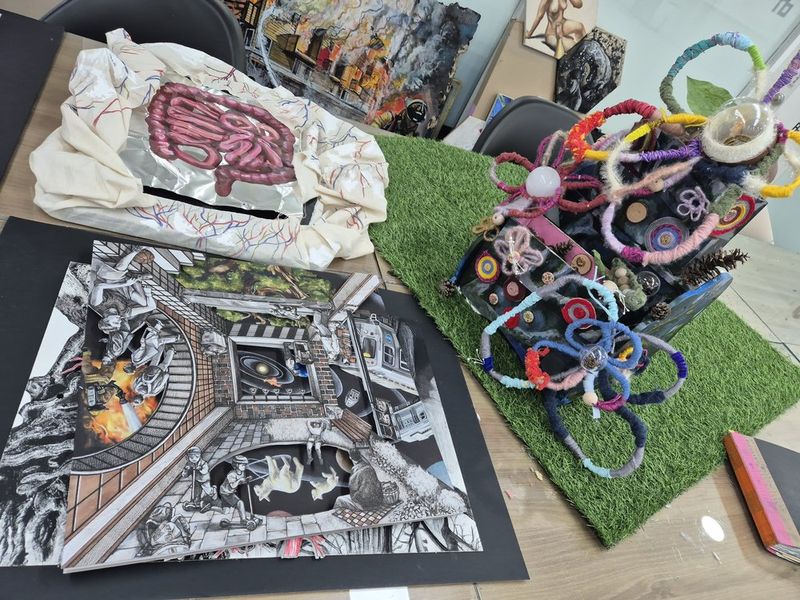
Korean food culture offers distinctive portfolio material when engaged specifically. Family traditions, regional specificity, contemporary scene, and substantive research produce strong work.
Ready for food culture portfolio development? Contact Royal Blue Art & Design for guidance.
Related Reading
Korean Art Education Topics
- Korean Hanok Architecture in Design Portfolios
- Korean History in Contemporary Portfolio Work
- Korean Folklore in Contemporary Portfolio Work
- How Korean Students Can Own Their Cultural Background Proudly
- Kyewon School of the Arts: Is It Preparing You for US?
Essential Admission Topics
- How to Build a Portfolio for RISD
- Is Art School Worth It in 2026?