Quick Answer: Jeju Island (제주도) students bring distinctive cultural and environmental context to US portfolio applications. Jeju distinctive elements include: unique island culture and history, specific April 3rd historical trauma, environmental distinctiveness (volcanic landscape, ocean, specific flora), haenyeo (해녀) women diver tradition, Jeju dialect and cultural identity separate from mainland Korean culture, contemporary tourism tensions and transformation. Jeju students have material mainland Korean students don’t have. Strong distinctive regional identity when authentically engaged. Challenge is limited local access to Seoul academies — requires creative preparation strategies. Royal Blue Art supports regional Korean students with 19+ years of placement experience.
| Grade/Year | Portfolio Focus | Hours/Week | Key Milestone |
|---|---|---|---|
| 9th Grade | Foundation: drawing, color theory, diverse media | 5-8 | Build foundational skills |
| 10th Grade | Explore specific interests, life drawing, mixed media | 8-12 | Identify creative direction |
| 11th Grade | Develop personal voice, ambitious projects | 12-18 | Build 15+ strong pieces |
| 12th Grade (Fall) | Curate portfolio, write essays, research schools | 15-20 | Submit applications |
| Summer (any) | Art camps, intensive studios, personal projects | 20-30+ | Accelerate development |
Frequently Asked Questions
Q1. When should I start building my art school portfolio?
The ideal timeline begins in 9th or 10th grade (age 14-15) for students planning to apply to US art schools. Early preparation allows genuine artistic development rather than rushed portfolio manufacturing. 9th grade: explore diverse media, develop foundational skills, take drawing classes. 10th-11th grade: identify your creative direction, develop more ambitious projects, research programs. 12th grade: finalize portfolio, write personal statement, apply. Students who start in 12th grade often submit technically polished but artistically underdeveloped work.
Q2. How many pieces should be in an art school portfolio?
Most programs request 12-20 pieces, with sweet spots around 15 works. Quality is more important than quantity—14 exceptional pieces are more impressive than 20 mediocre ones. Include only your best work; padding with weaker pieces dilutes the overall quality impression. Many programs also specify proportion of required pieces (some works must be from direct observation, for example). Read each school’s portfolio guidelines carefully, as requirements vary significantly by program and institution.
Q3. What types of artwork should I include in my portfolio?
A strong portfolio typically includes: direct observational drawing (life drawing, still life, landscape)—which demonstrates fundamental skill; work in multiple media (drawing, painting, collage, digital, photography, 3D) showing versatility; your strongest conceptual or thematic work; process documentation (sketches, iterations) for 1-2 projects; and a few pieces in your developing personal style. Avoid submitting only one type of work—even if you’re applying to Illustration, showing painting and life drawing demonstrates broader artistic capacity.
Q4. Should I include unfinished work in my portfolio?
Unfinished work can be valuable if it reveals your thinking process more clearly than finished work. A sketch that shows dynamic gestural thinking may be stronger than a finished, tightened version of the same image. The key question is: does this piece contribute to a positive overall impression, or does it raise doubts? Process documentation (sequential sketches showing how a piece developed) is different from simply submitting incomplete work—the former demonstrates thinking, the latter can suggest poor time management.
Q5. How important are observational drawing skills for art school?
Observational drawing—drawing from direct observation of figures, objects, landscapes—remains fundamental at virtually all art schools. Even programs with strong digital or conceptual emphases expect applicants to demonstrate they can observe and render the visual world accurately. Life drawing is particularly important: figure drawing classes appear at every major art school. Students who neglect observational drawing in favor of exclusively digital or stylized work often struggle in first-year programs. Take life drawing classes throughout high school.
Q6. How should I document and photograph my portfolio work?
Portfolio documentation significantly affects how work is perceived. For 2D work: shoot in natural light or even, non-directional artificial light; ensure the image is straight (not skewed); show the full work without cropping; shoot on a neutral background; crop out any table edges or props; use a camera (not phone camera) for large works. For 3D work: multiple views from different angles; neutral background; scale reference if helpful. For digital work: submit final files directly rather than photographing screens. Poor photography of strong work is a common application mistake.
Q7. What is a ‘home test’ and how should I approach it?
A home test is a creative assignment given to art school applicants as part of the application. RISD’s famous ‘bicycle’ drawing and their abstract geometric prompt are examples. Approach the home test as a creative challenge, not a technical exercise—programs want to see how you think and respond to creative constraint, not whether you can execute the most technically polished version. Read the prompt carefully for specified constraints; beyond those, interpret as broadly and originally as possible. The most memorable responses are genuinely surprising.
Q8. How do art schools evaluate portfolio work from Korean preparation academies?
US admissions committees regularly review portfolios from Korean art preparation academies (입시 미술학원). They have developed familiarity with both the strengths (strong technical foundation, disciplined drawing skills) and weaknesses (formulaic compositions, lack of personal voice) of Korean academy preparation. Portfolios that transcend the academy template—showing genuine personal creative interests, unexpected conceptual choices, or distinctive visual language—stand out strongly. Include work from outside your academy preparation that reflects your authentic creative interests.
Q9. What should I include in my artist statement for art school applications?
An artist statement for art school applications should: explain your creative motivations authentically and specifically; describe what questions or ideas drive your work currently; connect your past development to your future aspirations; reference specific influences (artists, experiences, cultural backgrounds) that inform your work; and demonstrate that you’ve researched the specific program and can articulate why it fits your trajectory. Avoid vague generalizations (‘I’ve always loved art’); be specific about your current creative preoccupations and what you want to develop further.
Q10. How do digital portfolios differ from physical ones?
Most art school applications now use digital portfolio submission through platforms like SlideRoom, Acceptd, or the school’s own portal. Digital portfolios: must be high-resolution (minimum 1500px longest side, ideally 2000+); should be in appropriate file formats (JPEG for still images, PDF for process documentation, video for time-based work); require accurate color profiles; and benefit from thoughtful sequencing since reviewers often view quickly. A well-presented digital portfolio can exceed a physical portfolio in impact if the documentation is high quality. Include any 3D or installation work through multiple-view photography.
Understanding Jeju Island artists US portfolios strategic position helps Jeju students leverage regional distinctiveness. According to admissions patterns at programs including RISD and Parsons, Jeju background offers distinctive advantages when developed thoughtfully. At Royal Blue Art & Design in Apgujeong, Seoul, we work with Jeju students drawing on their regional heritage.
This guide covers specific Jeju material and preparation considerations.
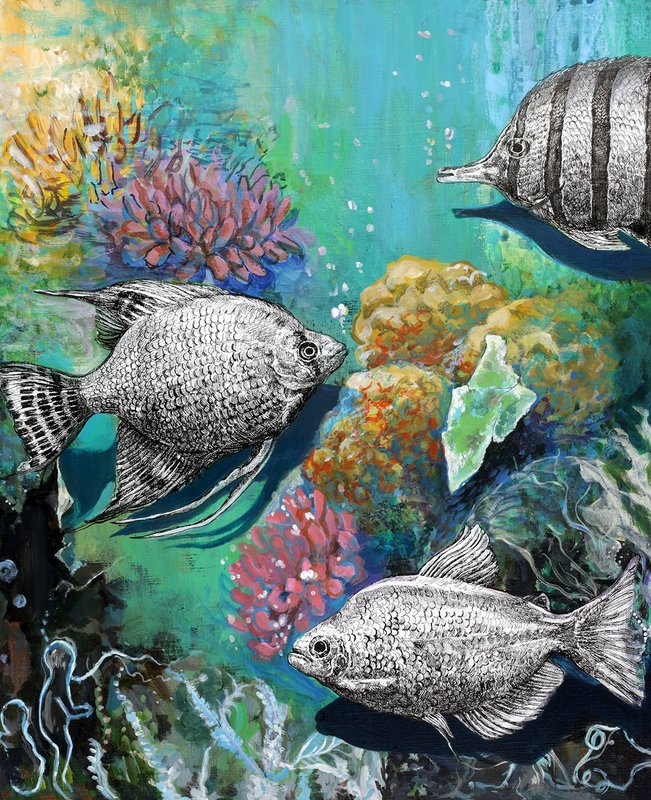
Jeju Cultural Distinctiveness
Jeju’s distinct cultural elements: separate island identity within Korean context, Jeju dialect distinct from standard Korean, specific shamanic traditions persisting stronger than mainland Korea, island-specific folklore and mythology, traditional lifestyle adaptations to island environment, haenyeo women diver tradition as UNESCO heritage, specific food culture distinct from mainland, historic tensions between island and mainland cultural systems. Jeju students bring cultural material mainland Korean students don’t have. Jeju cultural distinctiveness increasingly recognized internationally. Students owning Jeju identity authentically produce distinctive portfolios. Mainland cultural reference generic among Korean applicants — Jeju reference specific to small population.
Environmental Distinctiveness
Jeju environmental material: volcanic landscape (Hallasan, specific oreum volcanic cones), distinctive geological features (lava tubes, basalt cliffs), subtropical climate enabling different flora than mainland, ocean surrounding daily life in ways mainland cities don’t experience, specific weather patterns (strong winds, fog), environmental change threats visible directly. Environmental material productive for portfolios investigating ecology, climate, specific place. Contemporary environmental art values substantive place-based investigation. Jeju environmental specificity offers material portable to other contexts. Students living daily with volcanic landscape, ocean presence, specific flora have material continental Korean students access only through visit.
April 3rd Historical Material
Jeju 4.3 (April 3rd Incident, 1948-1954): massacre of Jeju civilians during anti-communist violence, estimated 10-30% Jeju population killed or displaced, long suppression of historical truth until 2000s Truth Commission, ongoing memorial efforts and contemporary reckoning, family connections across generations still affect present, Jeju identity shaped by this trauma. Sensitive material requiring careful approach. Students with family connections have specific material. This history important for contemporary Korean history but often less known internationally than Korean War generally. Students investigating 4.3 bring substantive historical material to portfolios. Several Korean and international artists have engaged 4.3 — student can build on existing artistic engagement.
Haenyeo Tradition
Women diver tradition as artistic subject: centuries-old female free-diving tradition unique to Jeju, aging haenyeo population and tradition’s potential disappearance, specific equipment and techniques, economic and social role in Jeju history, contemporary documentation efforts, feminist dimensions of haenyeo community, UNESCO Intangible Cultural Heritage designation (2016). Rich territory for documentary, narrative, investigative artistic work. Several Korean and international artists have engaged haenyeo — opportunity for contemporary continuation. Students with family connections or direct observation produce distinctive material. Haenyeo community aging — documentation value increasing as tradition changes.
Contemporary Tourism Tensions
Jeju tourism transformation offers contemporary material: rapid tourism growth affecting island culture, development pressure on traditional landscapes, tourist-oriented versus resident-oriented Jeju, Chinese tourist presence and complicated relationship, Jeju as Korean vacation destination, cultural commodification issues, environmental pressure from tourism, contemporary Jeju young people navigating identity between tradition and development. Contemporary tension material. Students living through this transformation witness ongoing negotiation. Global tourism impacts widely relevant — Jeju specific case serves broader investigation. Documentary and critical contemporary work on tourism impacts productive territory.
Preparation Challenges
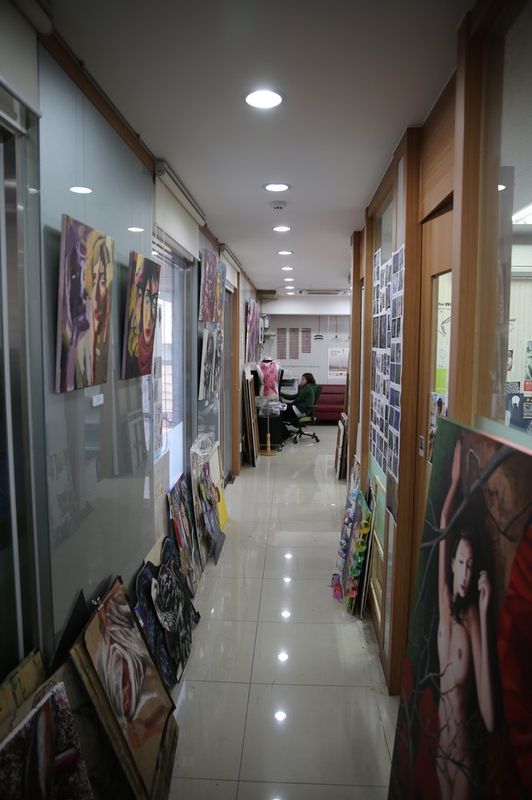
Jeju students face specific preparation challenges: limited local access to US-focused art preparation academies, distance from Seoul specialty programs, regional student network smaller, summer intensive preparation in Seoul requires travel, online coaching supplementation necessary, regional academies may not understand US admission requirements. Strategies: online mentorship with Seoul programs, summer intensives concentrated Seoul time, developing authentic Jeju work as distinctive advantage, building personal mentor relationships rather than relying only on institution, using distance as focus opportunity (less distraction) rather than obstacle. Jeju students with good planning overcome distance disadvantages.
Jeju-Specific Portfolio Strategy
Strategic Jeju applicant approach: develop authentic Jeju-material portfolio components as distinctive advantage, research specific Jeju artists internationally (Kim Inhwan, Kang Yobae, others), engage 4.3 material if appropriate to personal connection, document specific Jeju places, traditions, people, connect Jeju material to broader contemporary art conversations, don’t hide Jeju origin — leverage it authentically, position Jeju identity confidently rather than defensively. Jeju students sometimes feel regional origin as disadvantage — actually asset when owned. Distinctive regional identity serves applications when authentically developed.
Frequently Asked Questions
Do I need to focus exclusively on Jeju material?
No. Balanced portfolio with Jeju as distinctive element often stronger than exclusively Jeju focus. Mix Jeju material with broader artistic investigation.
How do I access preparation resources from Jeju?
Online mentorship, summer intensives in Seoul, specific US-focused coaching programs increasingly offer remote options. Travel costs consideration but manageable with planning.
Is Jeju dialect appropriate for portfolio?
Yes when substantively engaged. Jeju dialect as topic for investigation, documentation, or textual work adds distinctive Korean linguistic material. Limited international recognition but artistically substantive.
Can Jeju art programs prepare me for US?
Limited — Jeju programs typically focused on Korean university preparation. Supplementation required for US applications through Seoul programs, online options, self-directed work.
Next Steps
Jeju students have distinctive regional advantages when leveraged authentically. Substantive Jeju material, strategic preparation despite distance challenges, confident identity ownership produce strong applications.
Ready for Jeju-specific preparation guidance? Contact Royal Blue Art & Design for consultation.
Related Reading
Korean Art Education Topics
- Korean Modern History as Source Material for Art
- Korean Pottery Tradition in Modern Ceramic Portfolios
- How Korean Students Can Own Their Cultural Background Proudly
- Seoul vs Gyeonggi Arts High School: Different Paths to US Art Schools
- Korean History in Contemporary Portfolio Work
Essential Admission Topics
- How to Build a Portfolio for RISD
- Is Art School Worth It in 2026?