Quick Answer: Korean cultural shame dynamics (창피함, 체면) can affect art practice by making students reluctant to share experimental work, fear judgment that limits risk-taking, suppress authentic personal content, avoid subjects perceived as embarrassing. Recognizing these dynamics as cultural patterns rather than personal problems helps students work through barriers. Art practice requires vulnerability and risk that cultural shame can inhibit. Working through barriers supports authentic artistic development essential for US portfolio success. Royal Blue Art helps Korean students navigate cultural dimensions of artistic development with 19+ years of culturally-informed guidance.
| Korean Heritage Element | Portfolio Application | US School Reception |
|---|---|---|
| Hangeul Typography | Type design, visual systems, graphic identity | Highly valued |
| Minhwa / Folk Painting | Pattern design, illustration, cultural narrative work | Very positive |
| Pojagi (patchwork) | Textile design, surface pattern, color theory | Distinctive |
| Celadon / Ceramics | 3D work, craft-based portfolio, material exploration | Strong reception |
| Hanok Architecture | Spatial studies, architectural drawing, structural analysis | Positive for arch |
| K-Pop Visual Culture | Graphic design, brand identity, digital art direction | Contemporary/Relevant |
Frequently Asked Questions
Q1. What are the most important factors in choosing a US art school?
The most critical factors in art school selection are: program quality in your specific discipline (overall rankings are less important than departmental strength), faculty whose work you genuinely admire and who are actively practicing in their field, location and industry access relevant to your career goals, cost and scholarship availability, and the creative culture and community of the school. Visit campuses when possible—direct experience of a school’s environment is irreplaceable in making the right choice.
Q2. How does US art school education differ from Korean art education?
US art school education fundamentally differs in its emphasis on conceptual development and personal voice over technical execution and trend awareness. Korean art education typically prioritizes technical precision, recognizable styles, and demonstrable skills. US programs push students to ask ‘why am I making this?’ before ‘how do I make this?’ The critique culture—presenting and defending your work publicly—develops communication skills essential in professional practice that Korean students often need to specifically prepare for.
Q3. What role does the portfolio play in US art school admissions?
The portfolio is the single most important factor in US art school admissions. Admissions reviewers look for: a distinct personal creative voice, evidence of genuine conceptual thinking, technical skill appropriate to your stage of development, and creative risk-taking. A strong portfolio can compensate for modest academic performance. Korean students should be cautious about submitting portfolios that focus exclusively on technical excellence—US programs want to see what makes you uniquely creative, not just competently skilled.
Q4. What is the typical financial burden of US art school, and how can it be managed?
Total annual cost at top US art schools ranges from $65,000-$80,000 (tuition + living). Four-year totals can exceed $280,000. International students are eligible for institutional merit scholarships but not US federal financial aid. Strategies for managing cost include: applying Early Decision when scholarship consideration is higher; applying to a range of schools and negotiating offers; researching Korean government overseas study grants; considering public universities with strong art programs (lower tuition); and applying for departmental and external scholarships.
Q5. How should I approach the personal statement for art school applications?
The personal statement for art school should authentically articulate your creative motivations, current artistic practice, and why the specific program fits your development. Avoid generic statements about ‘always loving art’—be specific about what questions, ideas, or problems drive your current work. Reference specific faculty, facilities, or program aspects that genuinely attract you. Demonstrate that you’ve researched the program beyond surface-level familiarity. Show intellectual curiosity about art, design, and ideas, not just enthusiasm for making things.
Q6. What facilities should I expect at a top US art school?
Top US art programs provide access to: dedicated studio spaces (often 24-hour access for advanced students); professional printmaking facilities; darkrooms and digital photo labs; ceramics kilns and sculpture yards; digital fabrication labs (laser cutters, 3D printers, CNC routers); model shops with woodworking and metal equipment; film and video production facilities; comprehensive art and design libraries; and gallery spaces for student exhibitions. Program-specific facilities are often the differentiating factor between good and exceptional programs.
Q7. What career outcomes can I expect from a top US art school?
Career outcomes vary by discipline. Design graduates (graphic, industrial, UX, fashion) typically enter the workforce in relevant industries within 6-12 months of graduation with entry-level salaries of $45,000-$70,000 in the US. Fine arts graduates pursue more varied paths including gallery representation, artist residencies, teaching, and commercial work. Architecture graduates enter firms with variable starting salaries. Korean graduates often return to Korea or work at companies with Korea operations, where US art school degrees carry significant prestige in design and fashion industries.
Q8. How important is it to visit art school campuses before applying?
Campus visits are highly valuable if feasible. Direct experience of a school’s physical environment, student culture, and active work is irreplaceable. On visits: observe student work in studios and hallways (the best indicator of program quality); talk to current students honestly about their experience; visit the facilities you’ll actually use; and attend a critique if possible. Many schools also offer virtual visits and portfolio reviews. If physical visits aren’t possible, virtual open houses, student video tours, and direct outreach to current students provide important information.
Q9. What is the first year of art school like, and how should I prepare?
Most top art schools require a foundation year focusing on drawing fundamentals, color theory, 2D and 3D design, and art history. This year is typically the most intensive—students often work 10-14 hours daily. Prepare by: taking life drawing classes seriously (figure drawing is central to foundation year at most schools); exploring diverse media to develop flexibility; reading art history broadly; and practicing articulating ideas about your work verbally and in writing. The foundation year establishes relationships with peers and faculty that shape the rest of your education.
Q10. How do I evaluate an art school’s alumni network?
Evaluate alumni networks by: researching where graduates from the specific program actually work (not just what the school claims); looking at whether alumni who graduated 5-10 years ago are in positions you aspire to; checking whether the school maintains active alumni engagement or just claims an ‘alumni network’; contacting alumni directly on LinkedIn to ask about their experience and the value of their degree; and checking if the school has alumni in Korea-based opportunities if that’s your target market. A genuine alumni network opens doors throughout a career—this long-term value is often underweighted in the immediate application decision.
Q11. What should Korean students know about cultural adjustment at US art schools?
Cultural adjustment at US art schools involves both American cultural norms and the specific subculture of art and design education. Prepare for: critique culture (public presentation and defense of your work, sometimes with harsh feedback); a more individualistic studio culture compared to Korean collective approaches; expectation of independent initiative in driving your creative practice; diverse student backgrounds that may challenge assumptions; and different social norms around directness and self-advocacy. Korean students who embrace these differences—rather than resisting them—typically report the most transformative educational experiences.
Understanding Korean cultural shame art practice interactions helps students recognize barriers affecting their work. According to common patterns among Korean students at programs including RISD and Parsons, cultural shame often limits artistic development. At Royal Blue Art & Design in Apgujeong, Seoul, we help students process cultural dimensions of practice.
This guide addresses cultural shame patterns and productive responses.
Korean Shame Culture Context
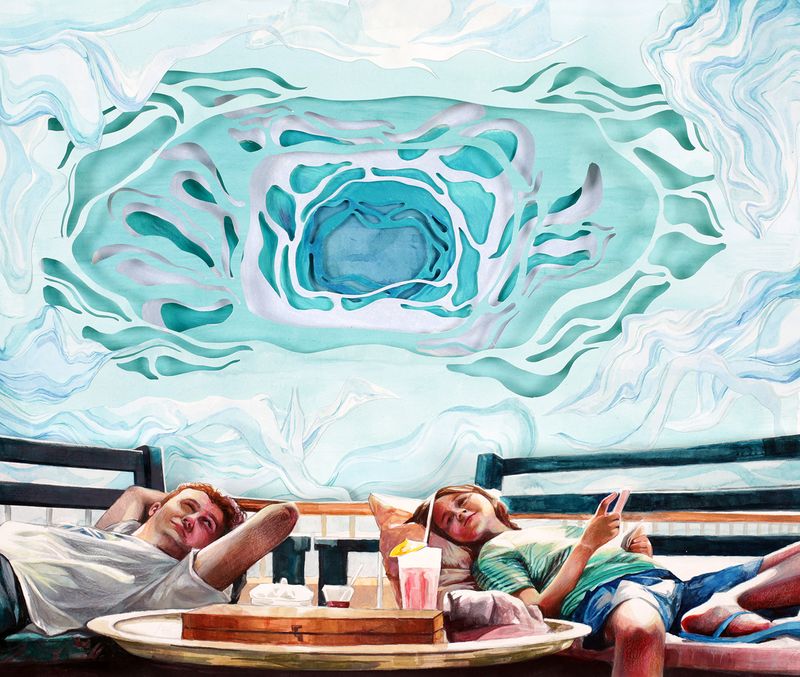
Korean cultural concepts affecting art practice: 창피함 (shame/embarrassment) as strong social regulator, 체면 (face/social reputation) affecting behavior, 눈치 (social awareness) shaping what’s expressed, collective harmony valued over individual expression, public appearance matters substantially, family reputation considered in personal choices, mistakes carry social weight beyond personal meaning. These dynamics serve specific cultural purposes — they aren’t simply negative. However they can affect creative practice in specific ways. Art practice often requires temporary suspension of face concerns to develop authentic work. Students navigating both Korean cultural context and art practice face specific tensions.
How Shame Affects Art
Specific ways cultural shame patterns limit art practice: reluctance to make work that might be judged as unusual or embarrassing, avoidance of subjects that reveal vulnerability, suppression of personal content perceived as too private, fear of critique paralyzing experimental work, tendency toward safe conventional work meeting group expectations, difficulty sharing work-in-progress with perceived flaws, reluctance to discuss artistic intentions that might sound pretentious. These patterns subtly shape what Korean students make. Often invisible to students themselves because pervasive in cultural background. Recognition first step to working through barriers.
Risk-Taking Requirements
Strong art practice requires specific risk types: making work that might fail publicly, exposing personal content to others, pursuing unusual directions without guarantee, making mistakes visibly through process, disagreeing with established approaches, challenging conventions, discussing personal meaning that might seem silly. These risks necessary for authentic development. Students avoiding risk produce safe conventional work regardless of technical skill. US art school evaluation specifically values risk-taking and authentic voice. Korean shame-culture inhibition of risk-taking directly affects portfolio quality. Students who work through shame develop stronger work than students who don’t.
Vulnerability in Art
Vulnerability as artistic capability: willingness to share personal material, comfort with not knowing outcomes, acceptance of imperfect work as development stage, openness about artistic intentions even when uncertain, honesty about struggles and failures in work. Korean shame culture often discourages vulnerability in these ways. But vulnerability produces the most compelling art. Students comfortable with vulnerability develop work that resonates beyond technical accomplishment. Students suppressing vulnerability produce technically polished but emotionally distant work. US admissions typically recognize vulnerability as artistic strength rather than weakness. Cultural reframing helps students see vulnerability as capability rather than embarrassment.
Working Through Shame
Practical approaches to address shame barriers: identify specific shame responses affecting your work, experiment with making work only for yourself initially before sharing, gradually share work with trusted mentors before wider audiences, practice vulnerability in low-stakes contexts building capability, reframe mistakes and failures as development rather than disgrace, engage with artists whose work embraces vulnerability productively, separate cultural appropriateness from artistic appropriateness, develop self-compassion for awkward stages of work. Cultural patterns deeply rooted — won’t dissolve quickly. Gradual intentional practice matters more than sudden transformation. Students who work on this over months rather than trying to force immediate change often see better results.
Shame as Material

Productive artistic engagement with shame experience: making work about cultural shame itself, exploring experience of being between cultures with different shame rules, investigating how shame shapes Korean identity, examining moments when shame affected your life, reflecting on family dynamics involving shame, documenting cultural rituals of face maintenance. Korean cultural shame experience itself rich artistic material. Turning personal shame into artistic investigation transforms burden into resource. Students who find artistic voice through shame often produce distinctive compelling work. US admissions particularly values work engaging honestly with cultural experience. Korean shame culture as subject enables distinctive portfolio direction.
Professional Support
When shame issues become substantial: professional counseling valuable when cultural shame affects daily functioning, Korean-speaking therapists available in Seoul and increasingly common in US, mental health resources at US colleges support international students, mentors familiar with cultural dimensions provide specific guidance, community support with other Korean students navigating similar issues. Not all shame issues require professional support — many manage through self-awareness and gradual practice. But significant shame affecting practice or wellbeing warrants professional attention. Mental health support increasingly accepted in Korean culture though stigma remains. Seeking support when needed often productive investment.
Frequently Asked Questions
How do I know if shame is affecting my work?
Notice patterns — do you avoid certain subjects? Produce safe conventional work? Feel reluctant to share work? These signs suggest shame affecting practice. Honest self-observation matters.
Should I reject Korean cultural values to make art?
No. Working through specific shame patterns affecting work differs from rejecting culture. Many Korean artists produce strong work while maintaining cultural identity. Selective engagement with specific barriers.
Will discussing shame in applications hurt me?
Usually opposite. Honest engagement with cultural experience including shame often strengthens applications. Thoughtful reflection on cultural experience valued.
Can I make art about shame without being too personal?
Yes. Personal doesn’t require extreme exposure. Thoughtful artistic engagement with shame experience often produces compelling work without sacrificing appropriate privacy.
Next Steps
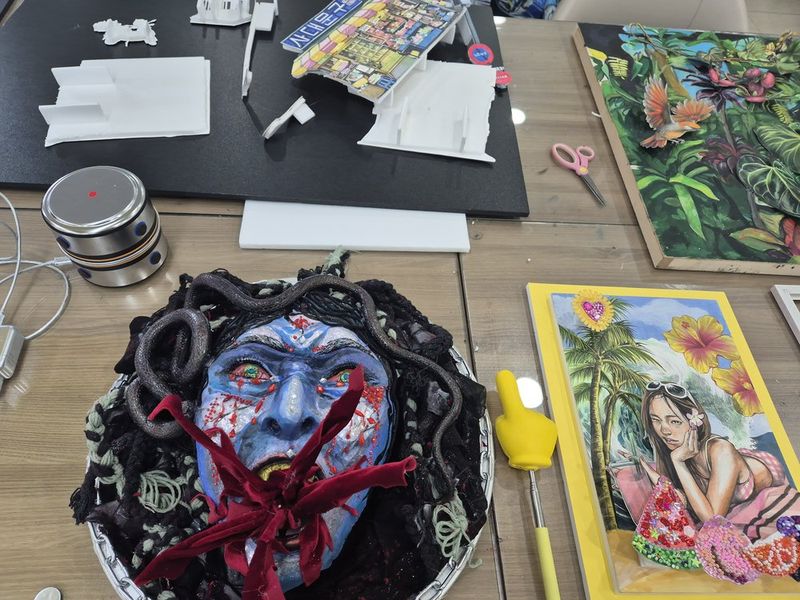
Recognizing and working through cultural shame dynamics supports artistic development. Gradual practice, mentor support, and sometimes professional help enable growth.
Ready for culturally-informed artistic guidance? Contact Royal Blue Art & Design for support. This article covers sensitive topics — if you’re experiencing significant distress affecting daily functioning, please consider reaching out to a qualified mental health professional.
Related Reading
Korean Art Education Topics
- Why Korean Students Should Not Fear Early Rejection
- What Korean Parents Get Wrong About Creative Freedom
- Why Korean Art Majors Struggle With US Critique
- Why Copying Sample Portfolios Is Dangerous for Korean Students
- How Korean Drawing Skills Help (and Hurt) in US Admissions
Essential Admission Topics
- How to Build a Portfolio for RISD
- Is Art School Worth It in 2026?