Quick Answer: Suneung-style drawing is optimized for Korean university entrance exams with specific standardized subjects (specific still lifes, architectural elements, figure drawing) executed under time pressure. US art schools evaluate individual artistic voice, conceptual development, and personal direction — not standardized technical performance. Korean students preparing only through Suneung curriculum typically need 12-18 months of additional US-oriented preparation before applications. Royal Blue Art in Apgujeong specializes in helping Korean students transition from exam-focused training to US portfolio preparation with 19+ years of placement experience.
Understanding why Suneung drawing US art schools approaches don’t align directly helps Korean students plan preparation realistically. According to admissions feedback from RISD, Parsons, and other top programs, Suneung-only portfolios consistently underperform at US admissions despite strong technical quality. At Royal Blue Art & Design in Apgujeong, Seoul, we help Korean students navigate this mismatch.
This guide covers specific mismatches and adaptation strategies.
What Suneung Drawing Tests
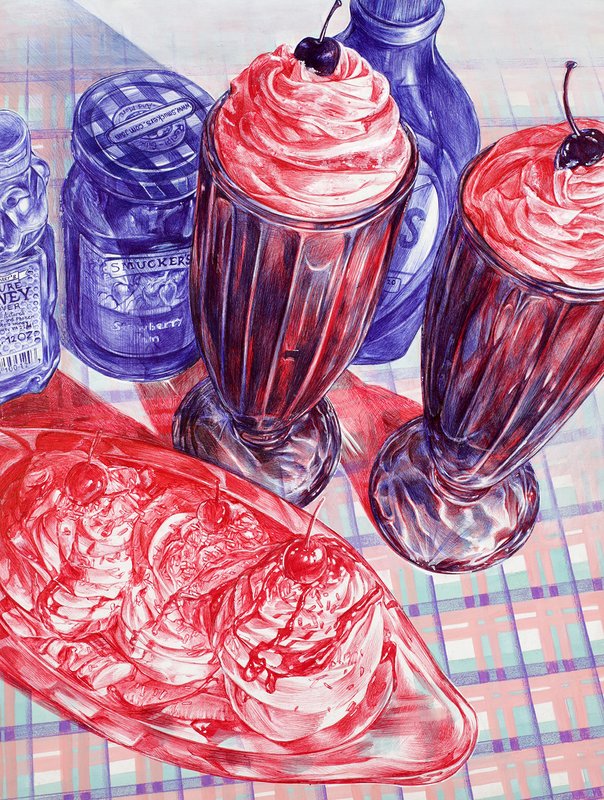
Korean Suneung (수능) drawing components test specific capabilities: (1) Accurate observational rendering of designated subjects under timed conditions (typically 3-5 hours), (2) Consistent technical execution meeting standardized evaluation criteria, (3) Understanding of Korean art department curricula that follow from the exam, (4) Specific subject mastery — architectural drawing (사실화), figure drawing (인체소묘), still life (정물소묘), (5) Speed and efficiency producing quality work within exam time constraints, (6) Adherence to evaluator-recognized stylistic conventions, (7) Technical precision measurable by standardized criteria. The system serves Korean university entrance well — it allows fair comparison across thousands of applicants using consistent standards. The limitations become apparent only when applying skills to non-exam contexts.
What US Portfolios Evaluate
US portfolio evaluation looks for different qualities: (1) Individual creative voice visible across pieces — stylistic choices, recurring subjects, personal approaches, (2) Conceptual development — ideas you investigate, questions you ask through work, (3) Subject variety reflecting personal interests rather than standardized requirements, (4) Process evidence showing sustained development, not just finished work, (5) Media range exposing exposure to multiple approaches, (6) Contemporary awareness — some engagement with current art discourse, (7) Growth trajectory — evolution across time suggesting capacity for future development. These qualities cannot emerge from Suneung-only training because the exam system doesn’t evaluate them. Students trained exclusively for Korean entrance exams lack the portfolio components US admissions expects to see.
The Core Mismatch
Specific mismatches between systems: (1) Subject matter — Suneung subjects are standardized; US portfolios need varied personal subjects, (2) Time structure — Suneung rewards speed; US pieces show extended development, (3) Consistency versus voice — Suneung rewards matching evaluator expectations; US values distinctive personal approach, (4) Technical focus versus conceptual balance — Suneung emphasizes technique; US wants technique supporting ideas, (5) Finished product versus process — Suneung evaluates results; US often values documentation, (6) Generic competence versus individual direction — Suneung produces students who all drew similar things; US wants students who could only have drawn what they did. Students who excel in Suneung but haven’t developed beyond it present portfolios US admissions reads as “technically competent but undirected.” The mismatch is structural, not a matter of skill quality.
What Suneung Skills Transfer
Valuable Suneung-developed skills for US contexts: (1) Strong observational drawing capability applicable to any subject, (2) Figure drawing foundation transferable to personal figure work, (3) Value structure and tonal control useful across media, (4) Work ethic and sustained practice discipline, (5) Ability to work under time pressure useful for some project contexts, (6) Technical vocabulary for discussing proportions, structure, form, (7) Baseline competence that frees attention for conceptual development. These transferable skills provide real foundation. The issue isn’t that Suneung training is wasted — it’s that Suneung training alone isn’t sufficient for US applications. Students with strong Suneung foundation typically need 12-18 additional months developing portfolio components Suneung doesn’t address.
What Needs to Be Added
Components Suneung students must develop separately: (1) Personal subject matter — pieces about your specific life, interests, cultural context, (2) Extended development projects — pieces worked over weeks rather than single sessions, (3) Media exploration — painting, printmaking, photography, mixed media beyond exam requirements, (4) Sketchbook practice — visual thinking captured across months, (5) Conceptual framework — ideas you investigate and can articulate, (6) Artist influences — specific artists whose work matters to you and why, (7) Personal artistic direction visible across portfolio, (8) Written articulation — artist statement capturing your thinking about work. Each element requires dedicated time separate from Suneung preparation. Attempting to add them during final Suneung-focused months typically produces weak supplementary work that doesn’t match Suneung pieces’ technical quality.
Parallel Preparation Strategy
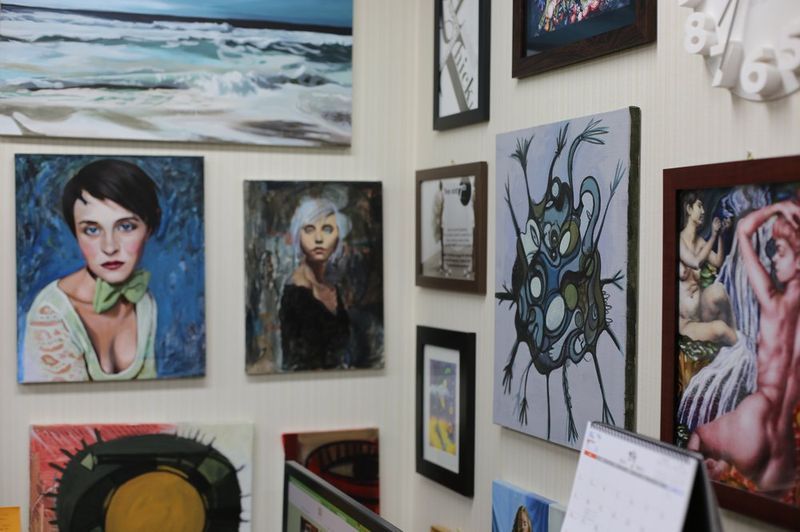
Effective approach for students pursuing both Korean and US applications: (1) Continue Suneung preparation for technical foundation and Korean backup option, (2) Allocate 10-15 hours weekly to US-specific portfolio work in parallel, (3) Use weekend and vacation time for sustained personal projects, (4) Supplement Korean academy instruction with US-oriented coaching, (5) Build sketchbook and process documentation habits alongside exam preparation, (6) Develop 2-3 artist statement drafts during preparation year, (7) Plan portfolio pieces that could use Suneung technical skills for personal subjects. This parallel approach leverages Korean training while building US components. Requires more time than single-track preparation but provides both application options. Many Royal Blue Art students follow this dual-track approach with successful outcomes in both Korean and US contexts.
Timeline Implications
Realistic timeline expectations: (1) Pure Suneung preparation doesn’t produce US-ready portfolios — additional 12-18 months typical, (2) Parallel track from early high school produces strongest outcomes for both applications, (3) Switching from Suneung-only to US track in final year produces rushed portfolios, (4) Students starting US preparation from scratch in final year typically underperform, (5) Strong students who started early often apply to both Korean and US programs with different portfolios, (6) Korean student applicants to US programs benefit from starting portfolio work at least 18 months before application deadline. Compressed timelines possible but reduce competitiveness. Early parallel preparation optimizes outcomes. Korean students considering US applications should begin US-specific work as early as possible alongside any Korean preparation.
Frequently Asked Questions
Can I submit Suneung drawings in my US portfolio?
1-2 strong Suneung pieces demonstrating technical capability can strengthen portfolios. Entire portfolio of Suneung work signals exam focus rather than personal direction. Balance with personal work.
If I’m strong at Suneung, why do I need to do anything different?
Suneung tests different capabilities than US portfolios. Strong Suneung performance provides technical foundation but doesn’t demonstrate artistic voice, conceptual development, or personal direction US admissions evaluates.
Can Korean academies help me prepare for both Korean and US applications?
Depends on academy. Some Apgujeong academies (including Royal Blue Art) specifically serve US applicants. Most Suneung-focused academies don’t emphasize US portfolio components. Match academy approach to your specific goals.
Will US admissions understand Suneung system in my application?
Brief explanation helps. Some readers familiar, others not. Describe training as “intensive drawing preparation” or “Korean art academy training” rather than assuming Suneung terminology will be understood.
Next Steps
Planning US-specific preparation alongside or instead of Suneung training depends on application goals. Early planning enables parallel preparation; late switches require compromises.
Ready for US-specific portfolio preparation? Contact Royal Blue Art & Design for strategic guidance.
Related Reading
Korean Art Education Topics
- Entrance Exam Art vs Portfolio Art: Key Differences
- AI and Korean Drawing Instruction: Cultural Differences
- How Korean Students Should Navigate AI in US Art Admissions
- How AI Changed Portfolio Prep in Gangnam in the Last Year
- How to Use AI to Translate Korean Artist Statements
Essential Admission Topics
- How to Build a Portfolio for RISD
- Is Art School Worth It in 2026?
로얄블루 유학미술학원 무료 상담
무료 상담 신청하기 →