Quick Answer: Korean 입시미술 (entrance exam art) trains students for standardized exam formats with specific subjects (still life, architectural drawing, figure), emphasizing technical precision and consistency under time pressure. US portfolio art evaluates individual creative voice, conceptual development, and personal artistic direction across varied media and subjects. Strong Korean exam training provides valuable drawing foundation but requires substantial reorientation for US applications — especially around voice, concept, and subject variety. Royal Blue Art guides Korean students through this translation process with 19+ years of experience placing students at RISD, Parsons, CalArts, and other top US art schools.
Understanding entrance exam art vs portfolio art differences is fundamental for Korean students transitioning to US applications. According to admissions feedback from programs like RISD and Parsons, Korean applicants often submit exam-oriented work that doesn’t match what US portfolios evaluate. At Royal Blue Art & Design in Apgujeong, Seoul, we bridge this gap for Korean students.
This guide covers specific differences and translation strategies.

Purpose of Each System
Fundamental differences in what each system evaluates: Korean 입시미술 tests standardized technical capability — can the student produce quality work under specific constraints with predictable subjects. The system assumes creative direction comes later, during university education, after technical foundation is established. US portfolio art evaluates current creative direction and personal vision — can the student demonstrate what they specifically investigate and how they approach artistic questions. Technical skill matters but as foundation for personal work, not as primary demonstration. These different purposes produce different portfolio content. Exam work optimized for Korean evaluation may work against US applications. The systems are not better or worse than each other — they evaluate different things for different contexts.
Subject Matter Conventions
Subject conventions differ substantially: Korean 입시미술 subjects concentrate on specific standardized subjects — still life with specific objects (apple, bottle, cloth), architectural drawing of specific pavilions (사실화 subjects), human figure in standard poses. These subjects allow consistent evaluation across thousands of applicants. US portfolios expect varied subject matter reflecting personal interests — specific places meaningful to the applicant, people from their actual life, subjects they choose to investigate, unusual or unconventional subject matter when appropriate to their direction. Korean students whose portfolio consists entirely of standard exam subjects signal exam preparation rather than personal direction. Adding varied personal subject matter to portfolios bridges the expectation gap.
Style and Voice Differences
Style conventions differ in significant ways: Korean 입시미술 rewards consistency and adherence to exam-accepted style. Students learn specific technical approaches that work for specific exam evaluators. Individual voice often gets sanded down to match exam expectations. US portfolios expect emerging individual voice visible across pieces — specific mark-making preferences, color sensibility, compositional habits, recurring subject matter. “Voice” doesn’t mean complete artistic maturity at 17 — it means visible individual preferences rather than generic technical execution. Korean students often need to develop personal voice elements that exam training suppressed. Sketchbook practice, personal projects, and experimentation outside exam constraints help voice emerge during portfolio preparation.
Time Structure
Time expectations differ substantially: Korean 입시미술 trains students for speed — completing quality drawings in 3-5 hours under exam conditions. Students develop efficient technique optimized for timed production. US portfolio pieces typically receive 20-80 hours of sustained work across days or weeks. Revision happens through multiple passes rather than single-session completion. Extended development shows thinking evolving through the work. Korean students trained for exam speed often produce portfolio pieces that look rushed compared to extended US-style work. Slowing down to work through revisions across weeks feels foreign but produces the depth US admissions expects. Not all pieces need extended development, but some pieces showing sustained investigation strengthen portfolios.
Process Expectations
Process requirements differ significantly: Korean 입시미술 values finished pieces that demonstrate capability. Process notes, preliminary sketches, and revision history typically don’t factor into evaluation. US portfolios often value process as much as finished work. Sketchbook pages, development drawings, working notes, and revision evidence all contribute to strong applications. Some schools explicitly request process documentation alongside finished pieces. Korean students used to presenting only polished final work often overlook the process documentation US applications invite. Building sketchbook habits during portfolio preparation produces material that strengthens applications both as direct portfolio content and as context for finished pieces.
What Transfers Well
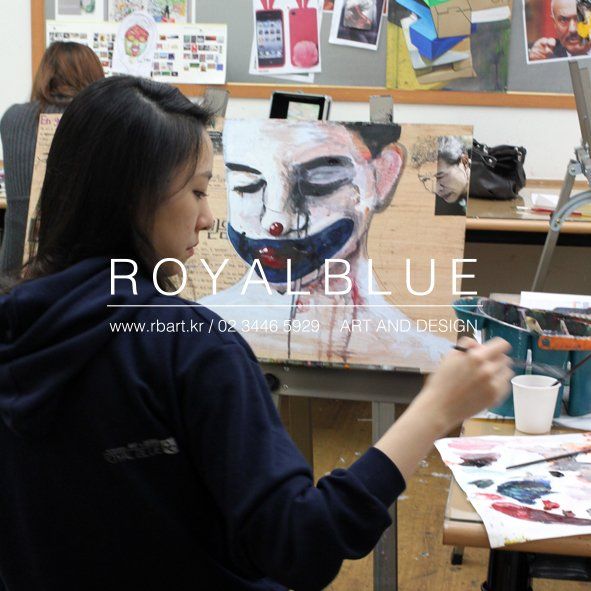
Korean exam skills that strengthen US portfolios: (1) Strong observational drawing from Korean still life training, (2) Solid figure drawing foundation from Korean human figure practice, (3) Value and tonal control developed through black-and-white exam work, (4) Composition basics from architectural drawing exercises, (5) Work ethic and sustained practice discipline from exam preparation intensity, (6) Technical vocabulary about proportions, measurements, and structure. These skills genuinely translate to US contexts when applied to varied subjects with personal voice. Korean students who can draw well provide foundation for artistic directions US programs value. The goal is not abandoning Korean exam training but extending beyond it — using foundation skills for personal artistic investigation rather than exam optimization.
Translation Strategy
Practical approach for Korean students transitioning: (1) Continue Korean exam training for technical foundation if pursuing both Korean and US options, (2) Develop parallel personal project track outside exam curriculum, (3) Apply exam technical skills to personal subjects not found on exam curricula, (4) Experiment with varied media beyond exam requirements — painting, printmaking, sculpture, mixed media, (5) Build sketchbook practice capturing personal visual interests, (6) Connect technical work to conceptual framework visible in artist statements, (7) Include 2-3 exam-style pieces demonstrating technical mastery alongside 8-12 personal direction pieces, (8) Discuss Korean training positively in statements as foundation supporting current direction. This translation approach leverages Korean strengths while meeting US expectations.
Frequently Asked Questions
Should I include any exam-style work in my US portfolio?
1-3 strong exam-style pieces demonstrate technical foundation. More than that looks like exam preparation rather than personal portfolio. Balance technical demonstration with personal work showing varied subjects and voice.
Can I prepare for Korean and US applications simultaneously?
Yes, but requires strategic time allocation. Korean exam preparation and US portfolio development serve different purposes. Many Korean students pursue both tracks with structured time for each. Requires more total effort than single-track preparation.
Will US admissions recognize Korean exam system terms if I mention them?
Some admissions readers familiar with Korean system, others not. Brief explanation of Korean training in artist statements helps all readers. Terms like “intensive drawing training” or “Korean art academy” communicate more universally than “입시미술.”
Do I need to completely abandon Korean training style?
No. Korean technical foundation is valuable. The goal is extending beyond exam conventions — applying skills to varied subjects, developing personal voice, adding conceptual framework — not replacing Korean training with Western styles.
Next Steps
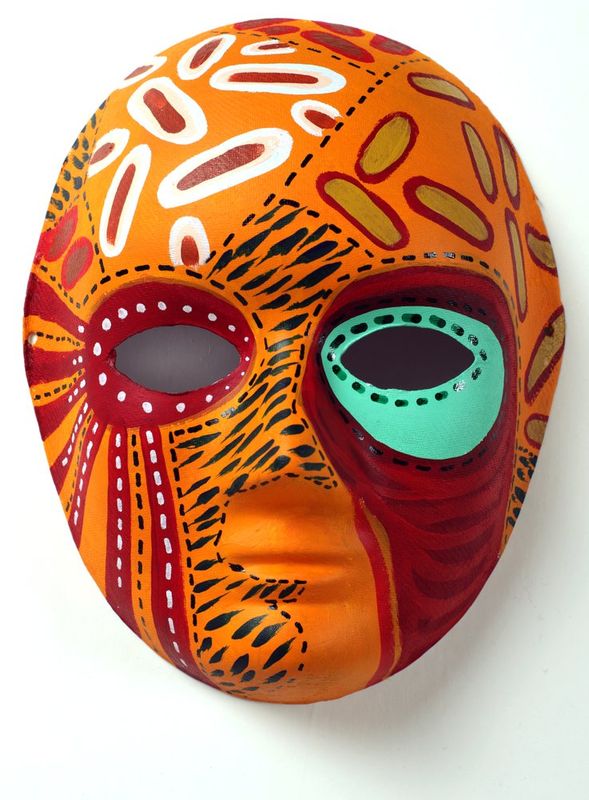
Understanding the differences supports strategic portfolio preparation that leverages Korean training while meeting US expectations. Balance technical foundation with personal direction development.
Ready for strategic portfolio preparation? Contact Royal Blue Art & Design for Korean-specific guidance.
Related Reading
Korean Art Education Topics
- AI and Korean Drawing Instruction: Cultural Differences
- How Korean Students Should Navigate AI in US Art Admissions
- How AI Changed Portfolio Prep in Gangnam in the Last Year
- Translating Artist Statements From Korean to English With AI
- How to Use AI to Translate Korean Artist Statements
Essential Admission Topics
- How to Build a Portfolio for RISD
- Is Art School Worth It in 2026?
로얄블루 유학미술학원 무료 상담