Quick Answer: Korean parents often misunderstand ‘portfolio’ as collection of technically polished pieces demonstrating skill mastery. US portfolio actually means coherent body of work revealing artistic direction, individual voice, and sustained investigation. This misunderstanding causes parents to push students toward technique-focused work that actually hurts US applications. Explaining the distinction clearly helps families support effective preparation. Royal Blue Art helps Korean parents understand US portfolio concept through 19+ years of guiding families to successful placements at RISD, Parsons, CalArts, and other top programs.
Addressing Korean parents misunderstand portfolio helps families avoid counterproductive preparation pressures. According to patterns observed in Korean applicants to programs like RISD and Parsons, parent-driven portfolios emphasizing pure technique often underperform student-driven portfolios emphasizing voice. At Royal Blue Art & Design in Apgujeong, Seoul, we help parents understand portfolio reality.
This guide addresses common misconceptions and clarifies portfolio concept.

The Common Misconception
Korean parents typically imagine portfolio as: collection of technically accomplished pieces, standardized subject matter showing broad competence, polished finished works with no visible process, quality ranked linearly from best to worst, similar format to Korean university entrance materials, primarily technical demonstration, work that parents can judge quickly based on obvious technical quality. This understanding reflects Korean entrance culture naturally. Parents can evaluate technical quality without specialized knowledge. Parents compare pieces across students easily using technical criteria. This misconception isn’t irrational — reflects Korean cultural norms. But misconception produces portfolio pressure misaligned with US evaluation criteria.
What US Portfolio Actually Means
US portfolio reality differs substantially: coherent body of work revealing individual artistic direction, personally chosen subjects reflecting specific interests, process documentation often included alongside finished work, varied pieces showing range and experimentation, visible development across time, artist statement providing conceptual framework, questions and investigation visible through work, evidence of sustained engagement with artistic problems. Technical quality matters but secondary to direction and voice. Parents familiar only with Korean framework don’t recognize these evaluation criteria. Requires explicit explanation rather than assumption parents understand. Many Korean parents haven’t seen actual US portfolios in detail.
Consequences of Misunderstanding
Problems when parents misunderstand portfolio: parents push students toward technique-focused work that underperforms US admissions, parents dismiss process work as unfinished or incomplete, parents compare pieces using inappropriate Korean criteria, parents push for standardized subjects matching Korean expectations, parents disapprove of experimental or conceptual work, family pressure shapes portfolio toward Korean expectations rather than US criteria, student conflict between parent expectations and actual US requirements, wasted preparation time producing wrong kind of portfolio. These consequences harm applications significantly. Students caught between parent expectations and US reality sometimes produce compromised portfolios serving neither framework well.
Showing Parents Actual US Portfolios
Concrete examples help parents understand: online portfolios of current RISD, Parsons, CalArts students (many schools publish sample admitted portfolios), art school admission websites showing portfolio requirements, videos of admissions officers discussing what they look for, alumni portfolios showing successful examples, published interview with admissions faculty, specific examples of accepted portfolios with explanation. Visual examples more persuasive than verbal explanation. Parents who see actual successful portfolios understand better than parents hearing abstract descriptions. Korean parents often assume portfolios resemble Korean entrance materials until seeing actual different examples. Visual evidence changes understanding faster than verbal argument.
Explaining Process Documentation
Process documentation particularly hard for Korean parents to accept: sketches and development drawings showing thinking evolution, multiple versions showing revision process, working notes and reflections, sketchbook pages, photos of works in progress. Parents often see process work as unfinished or amateur. US admissions sees process as window into artistic thinking. Explanation: US programs teach students to develop work across time with revision and thinking. Process documentation shows capacity for this development. Finished polished work alone doesn’t demonstrate how student thinks. Both finished work and process documentation together show complete artistic development. Parents often accept process work when understood as evidence of sustained thinking.
Parent Evaluation Challenges
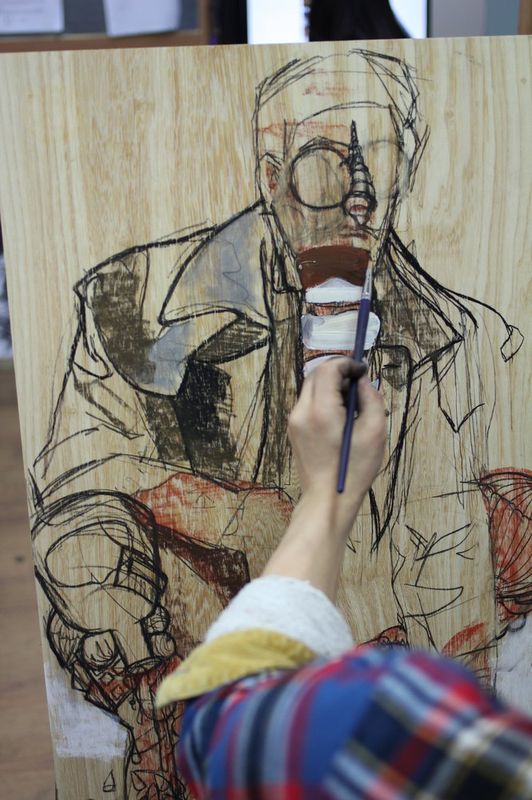
Korean parents often can’t evaluate US portfolios effectively because: voice and direction invisible without cultural context, conceptual frameworks require art-world knowledge parents may lack, Korean evaluation criteria don’t transfer, subjective elements require experienced eye, comparison with Korean work produces wrong conclusions. Parents frustrated by inability to evaluate sometimes fall back on technique-based judgment. Better acknowledge limitation than force misaligned evaluation. Trust experienced mentors and eventual admissions decisions rather than imposing Korean-framework judgment. Parents who acknowledge limitation and trust process serve students better than parents insisting on evaluation beyond their framework.
Helping Parents Support Appropriately
Productive parent support for US portfolios: provide resources (materials, time, space, mentorship), trust experienced advisors rather than directing creative decisions, encourage exploration rather than pushing specific subjects, appreciate process work as development, attend critique sessions when possible to understand culture, ask questions rather than give directions, celebrate artistic growth alongside technical growth, accept ambiguity as part of creative development. These behaviors support students effectively. Directive parenting styles that work for academic success often backfire in creative contexts. Parents who adjust support approach to creative work help students more than parents who apply academic approach universally.
Frequently Asked Questions
How do I help my parents understand portfolio is different from exam work?
Show specific examples. Published sample portfolios from target schools. Explain evaluation criteria differ. Connect to concepts parents value (growth, thinking, individuality).
What if parents insist portfolio should look like Korean entrance work?
Show US admissions criteria explicitly. Cite successful examples. Connect with other Korean parents of US-admitted students. Sometimes parent peers persuade when experts don’t.
Can parents evaluate my portfolio at all?
Limited usefulness. Parents can evaluate technical quality partially. Full evaluation requires specialized knowledge. Trust experienced mentors over parent evaluation for strategic decisions.
Should I stop sharing work with parents?
Share selectively. Share pieces they can appreciate. Don’t share experimental work they might criticize. Protect vulnerable work until developed. Maintain family connection while protecting creative space.
Next Steps
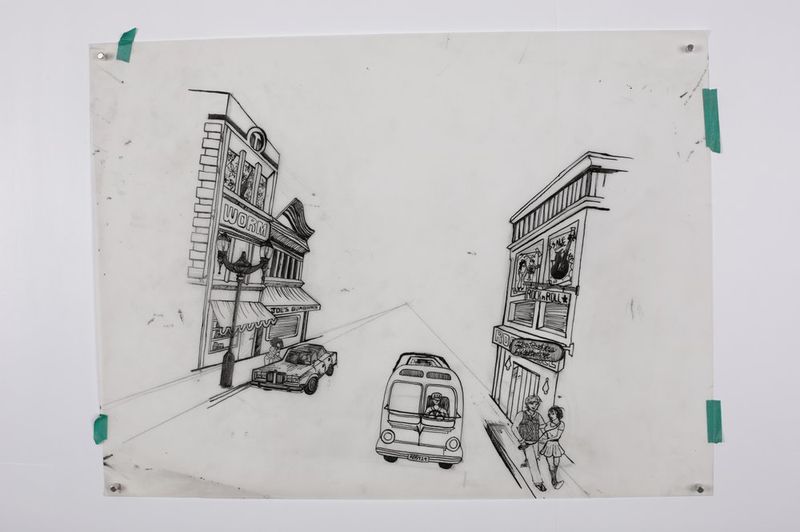
Clarifying portfolio concept with Korean parents reduces family tension and prevents counterproductive pressure. Specific examples and framework explanation help.
Ready for family education support? Contact Royal Blue Art & Design for bilingual guidance.
Related Reading
Korean Art Education Topics
- How Korean Parents Can Understand US Art School Rigor
- Korean Parent Expectations vs US Art School Realities
- Korean College Entrance Art: Why It’s Not Enough
- Entrance Exam Art vs Portfolio Art: Key Differences
- Why Copying Sample Portfolios Is Dangerous for Korean Students
Essential Admission Topics
- How to Build a Portfolio for RISD
- Is Art School Worth It in 2026?
승(承) — ‘포트폴리오’에 대한 잘못된 상식들
한국 부모님들 사이에서 가장 널리 퍼진 포트폴리오 오해 중 하나는 ‘많으면 많을수록 좋다’는 생각입니다. 실제로 많은 학생들이 수십 점의 작품을 포트폴리오에 넣으려 합니다. 그러나 미국 대부분의 미대는 10-20점의 작품을 요구하며, 심사위원은 이 한정된 수 안에서 학생의 잠재력, 기술적 역량, 창의성을 모두 판단해야 합니다. 즉, 많은 작품보다 엄선된 최고의 작품이 훨씬 유리합니다.
또 다른 오해는 ‘수상 경력이 있어야 한다’는 것입니다. 물론 유명 공모전 수상은 도움이 되지만, 미국 미대 심사에서 결정적인 요소는 아닙니다. 심사위원들은 상을 받은 ‘완성품’보다 성장 과정을 보여주는 스케치북, 드로잉 연습, 아이디어 발전 과정에 더 많은 관심을 갖는 경우가 많습니다. ‘과정을 보여주는 포트폴리오’가 ‘결과만 보여주는 포트폴리오’보다 강합니다.
전(轉) — 심사위원이 실제로 보는 것
경험 많은 미대 심사위원들은 포트폴리오에서 ‘가르칠 수 있는 학생인가’를 판단합니다. 이미 완벽한 작품만 모아둔 포트폴리오보다, 다양한 시도와 실패가 보이면서도 성장 궤적이 명확한 포트폴리오를 더 긍정적으로 봅니다. 특히 자신의 작업에 대한 비판적 시각 — 즉, “이 작품은 여기서 더 발전시켜야 한다고 생각한다”는 자기 인식 — 이 있는 학생을 선호합니다.
또한 심사위원들은 포트폴리오의 ‘일관성(cohesion)’을 중요하게 봅니다. 모든 작품이 서로 다른 스타일로 가득 찬 포트폴리오보다, 자신만의 시각적 언어가 일관되게 흐르는 포트폴리오가 강한 인상을 남깁니다. 이 일관성은 ‘같은 화풍’을 의미하는 것이 아니라, 같은 관심사와 철학이 다양한 매체와 주제로 표현되는 것을 의미합니다.
결(結) — 강력한 포트폴리오를 위한 원칙
- ✅ 품질 우선: 20점보다 12점의 완성도 높은 작품 선별
- ✅ 과정 포함: 스케치, 드로잉 연습, 아이디어 스케치를 반드시 포함
- ✅ 일관성 유지: 작품 전체에 자신만의 철학과 시각 언어가 흐르도록
- ✅ 개인 서사 연결: 왜 이 주제들을 작업했는지 작가 노트로 설명
- ✅ 최신 작업 우선: 가장 최근에 만든, 성장이 보이는 작품부터 선택
로얄블루의 전문 강사들은 수백 개의 합격 포트폴리오를 분석하고, 직접 학생들의 포트폴리오를 지도한 경험을 바탕으로 최적의 포트폴리오를 설계해 드립니다. 지금 무료 포트폴리오 진단을 신청하세요.
Q. 포트폴리오에 디지털 작업과 아날로그 작업을 모두 넣어야 하나요?
A. 대부분의 학교는 두 가지를 모두 포함하는 것을 권장합니다. 아날로그 작업은 기초 드로잉 능력을 증명하고, 디지털 작업은 현대 미술 트렌드에 대한 이해를 보여줍니다. 비율은 학과에 따라 다르지만, 일반적으로 아날로그 40-60%, 디지털 40-60%로 균형을 맞추는 것이 좋습니다.
Q. 포트폴리오를 온라인으로 제출하나요, 실물로 제출하나요?
A. 대부분의 미국 미대는 Slideroom, Acceptd 등 온라인 플랫폼을 통해 디지털 포트폴리오를 제출합니다. 일부 학교(Yale, Cooper Union 등)는 실기 시험이나 인터뷰를 병행하기도 합니다. 작품 사진 촬영 품질도 평가에 영향을 주므로, 전문적인 작품 촬영 방법도 함께 준비해야 합니다.
로얄블루가 다른 이유: 20년 합격 실적의 비밀
로얄블루 유학미술학원이 20년간 꾸준히 명문 미대 합격생을 배출할 수 있었던 이유는 무엇일까요? 그 핵심은 ‘학생 개인에 대한 깊은 이해’입니다. 로얄블루의 강사진은 단순히 기술을 가르치는 것이 아니라, 학생 한 명 한 명의 성격, 관심사, 강점, 약점을 파악하여 그에 맞는 맞춤형 포트폴리오 전략을 수립합니다.
처음 입학 상담부터 합격 통보를 받는 날까지, 로얄블루는 학생과 함께합니다. 포트폴리오 방향 설정, 작품 선별, Artist Statement 작성, 지원서 에세이 교정, 인터뷰 준비까지 — 미국 명문 미대 합격에 필요한 모든 과정을 체계적으로 지원합니다. 이것이 바로 로얄블루가 단순한 ‘미술 학원’이 아닌 ‘종합 유학 미술 전문 기관’으로 자리매김한 이유입니다.
로얄블루 주요 합격 실적 (최근 5년)
- 🏆 RISD (Rhode Island School of Design) — 매년 3-5명 합격
- 🏆 Parsons School of Design — 매년 5-8명 합격
- 🏆 ArtCenter College of Design — 매년 2-4명 합격
- 🏆 School of Visual Arts (SVA) — 매년 4-7명 합격
- 🏆 CalArts — 매년 2-3명 합격
- 🏆 Pratt Institute, SCAD, BFA 프로그램 — 다수 합격
지금 시작해야 하는 이유
미국 명문 미대 입시에서 ‘늦었다’는 말은 없습니다. 그러나 ‘일찍 시작할수록 유리하다’는 말은 분명한 사실입니다. 지금 이 글을 읽고 있는 순간이 바로 준비를 시작하기에 가장 좋은 때입니다. 1년 후 지원을 계획 중이든, 3년 후를 목표로 하든 — 지금 전문가와 방향을 잡는 것이 시간과 비용 모두를 절약하는 길입니다.
로얄블루 유학미술학원에서는 언제든 무료 초기 상담을 진행합니다. 학생의 현재 미술 실력, 목표 대학, 지원 시기를 바탕으로 최적의 로드맵을 제시해 드립니다. 상담은 부담 없이, 결과는 확실하게 — 로얄블루와 함께 여러분의 꿈을 현실로 만들어 보세요.
📞 무료 상담 신청: 지금 로얄블루에 연락하시면 담당 입시 컨설턴트가 개인 맞춤 상담 일정을 잡아드립니다. 포트폴리오 진단부터 지원 전략까지, 첫 상담부터 가치 있는 시간이 될 것입니다.
미국 명문 미대 합격을 위한 핵심 전략 정리
수년간 수많은 합격생을 배출하면서 로얄블루가 파악한 핵심 인사이트가 있습니다. 미국 명문 미대 입시에서 성공한 학생들에게는 공통된 패턴이 있습니다. 단순히 ‘그림을 잘 그리는 것’이 전부가 아닙니다. 합격생들은 자신의 작업에 대한 명확한 철학과 이야기를 갖고 있으며, 그것을 포트폴리오와 에세이를 통해 일관성 있게 전달합니다.
포트폴리오 심사에서 합격을 결정하는 요소는 크게 세 가지입니다. 첫 번째는 기술적 역량(Technical Skill)입니다. 드로잉, 컴포지션, 색채에 대한 기본 이해가 탄탄해야 합니다. 두 번째는 개념적 깊이(Conceptual Depth)입니다. 왜 이 주제를 선택했는지, 무엇을 표현하고자 하는지에 대한 사유가 작업에 담겨 있어야 합니다. 세 번째는 성장 가능성(Potential)입니다. 심사위원들은 현재 완성도뿐 아니라, 4년간 자신들이 교육했을 때 얼마나 성장할 수 있는 학생인지를 봅니다.
이 세 가지 요소를 균형 있게 갖춘 포트폴리오를 만드는 것 — 이것이 로얄블루의 교육 철학입니다. 기술과 개념, 현재와 미래 가능성을 모두 보여주는 포트폴리오는 어느 학교의 심사위원도 무시할 수 없습니다.
지원 전 최종 체크리스트
- ✅ 포트폴리오 10-20점 선별 완료
- ✅ Artist Statement (300-500단어) 완성 및 원어민 교정
- ✅ Personal Essay 학교별 맞춤화 완료
- ✅ 추천서 2-3통 확보 (미술 교사 + 담임 교사 조합 권장)
- ✅ 고등학교 성적 증명서 공증 및 영문 번역
- ✅ 지원 플랫폼 (CommonApp/Slideroom/Acceptd) 계정 생성 및 테스트 제출
- ✅ 지원 마감일 달력에 표시 (학교마다 다름)
로얄블루 유학미술학원은 이 모든 과정을 함께합니다. 혼자 준비하다 놓치는 사소한 실수 하나가 합격을 방해할 수 있습니다. 전문가와 함께 빈틈 없이 준비해보세요. 지금 무료 상담을 신청하시면 맞춤 로드맵을 제공해 드립니다.
미국 명문 미대 진학은 단순한 학교 입학이 아닙니다. 그것은 자신의 예술적 잠재력을 세계 최고의 환경에서 꽃피울 기회입니다. 로얄블루와 함께라면 그 꿈이 현실이 될 수 있습니다. 지금 바로 첫 상담을 신청하세요. 경험 많은 전문가가 여러분의 가능성을 발견하고, 합격을 향한 가장 효율적인 길을 안내해 드리겠습니다.
전문가와의 상담 한 번이 자녀의 미래를 바꿀 수 있습니다. 포트폴리오 준비 방향이 올바르게 설정되면 1년의 시간도 충분합니다. 반대로 방향이 잘못 설정되면 2년도 부족합니다. 지금 로얄블루에 연락하셔서 자녀의 현재 작업물을 가져오세요. 전문 강사가 30분의 무료 진단 상담을 통해 현재 수준과 목표 사이의 간격을 명확히 파악해 드립니다. 로얄블루와 함께 시작하는 미국 명문 미대의 꿈, 지금 바로 첫 걸음을 내딛으세요.