Quick Answer: Maintaining a human-driven creative practice in the AI era requires specific habits: daily observational drawing, sustained engagement with physical materials, reflection practice separate from tool use, deliberate AI-free work periods, and clear personal artistic questions that guide tool decisions. The goal is not to avoid AI, but to ensure AI serves your practice rather than replacing the artist behind the work. Royal Blue Art students develop these habits through structured curriculum drawing on 19+ years guiding Korean applicants to competitive US art programs.
Building a human-driven practice AI era framework protects artistic development while enabling thoughtful engagement with new tools. According to perspectives from faculty at RISD and CalArts, students who maintain strong foundational practices alongside AI literacy are better positioned for both admissions and professional careers. At Royal Blue Art & Design in Apgujeong, Seoul, we have guided Korean students through this balance since generative AI became prevalent.
This guide offers specific habits and frameworks that support sustained human-centered creative work.
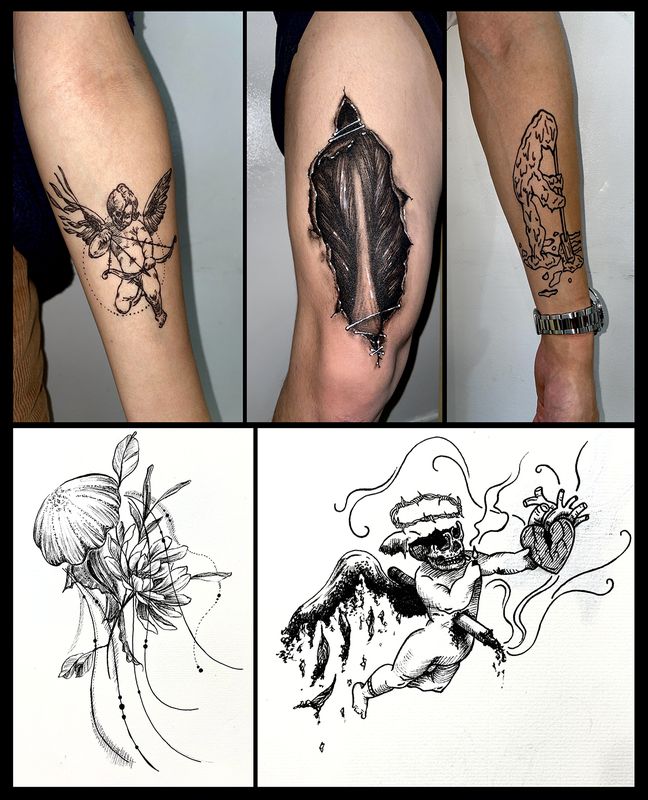
Daily Foundation Practices
Daily practices that anchor human-driven work: (1) Observational drawing — 20-30 minutes of drawing from direct observation (not photos, not AI references) five or more days per week, (2) Physical material engagement — regular time with paint, charcoal, ink, clay, or other hands-on media, (3) Sketchbook practice — visual thinking captured in pen or pencil without device involvement, (4) Life drawing — monthly figure drawing sessions if accessible, or gesture drawing from public spaces, (5) Walking observation — deliberate noticing during daily walks, translated later into visual notes. These practices build capacities that transfer across all media and cannot be replicated through prompts. Korean students in Apgujeong typically integrate these into morning routines before academic schedules or after academy hours.
Reflection Practice
Reflection separates purposeful practice from accumulated output: (1) Weekly process journal — handwritten entries reviewing what worked, what failed, what questions emerged, (2) Piece-specific notes — short reflection after completing each substantial work, capturing decisions and discoveries, (3) Monthly direction check — assessment of whether current work aligns with artistic questions, adjustments needed, (4) Quarterly portfolio review — looking across months of work for coherence, gaps, development opportunities, (5) Annual artistic statement — writing out current questions and direction as orienting document. Reflection is inherently human — AI cannot substitute for the self-knowledge that emerges through deliberate thought about one’s own practice. These reflection artifacts also provide strong material for application personal statements.
Deliberate AI-Free Work
Maintaining AI-free work periods protects core capabilities: (1) Dedicated AI-free sessions — full work sessions where no generative tools are used, not even for reference, (2) AI-free portfolio pieces — some works from conception to completion entirely without AI involvement, (3) AI-free sketchbook — one sketchbook maintained exclusively as traditional practice, (4) Morning hours reserved — first work hours of the day before device engagement, (5) Extended retreats — occasional 3-7 day periods where AI tools are unavailable, forcing creative resource from internal capabilities. The pattern is not rejection of AI but deliberate maintenance of capabilities that AI might otherwise atrophy. Students who cannot work effectively without AI tools have lost something important — these practices prevent that loss.
Clear Artistic Questions
Artistic questions drive human-centered practice: a young artist interested in memory and place develops different work than one interested in mechanical forms, regardless of whether AI is involved. Strong questions include specific dimensions: visual subject matter, conceptual territory, emotional register, formal interests, material preferences. Without clear questions, AI tools become prompt generators rather than assistants to defined inquiry. Questions emerge from lived experience, not from scrolling through AI outputs. Korean students benefit from reflecting on specifically Korean experiences, family history, urban environment, cultural tension — these provide unique territory that AI trained primarily on Western imagery cannot help generate effectively. Personal questions produce personal work.
Critical Peer Community
Human community reinforces human-driven practice: regular critique sessions with other serious artists, mentors who have sustained practice over decades and can model what commitment looks like, peer accountability for traditional practice commitments, exposure to exhibitions and studios outside one’s own work. Critique from experienced human artists provides feedback that AI cannot replicate — responses to emotional resonance, cultural context, material authenticity. Korean students often benefit from community both within Korean art scene (Seoul galleries, art school connections) and with international artist networks. Royal Blue Art students participate in structured critique cycles that build both technical skill and the ability to articulate artistic decisions — a capability essential for US art school interviews and professional life.
When to Use AI vs When Not
Practical guidelines for AI decisions: Use AI when — gathering broad reference quickly, generating unfamiliar visual territory for research, testing compositional concepts before committing materials, creating specific elements that integrate into primarily handmade work, documenting process through transcription or summary. Do not use AI when — practicing observational drawing skills, working through a piece that needs sustained personal attention, developing artistic voice that should emerge from your choices, building foundational capabilities the portfolio must demonstrate, working through creative blocks that deserve patience rather than quick escape. The decision rubric: Am I using AI to augment my skill or to substitute for it? Augmentation typically serves applications; substitution typically hurts them.
Long-Term Practice Sustainability
Human-driven practice serves not only admissions but long-term career sustainability: professional art careers span 40-60 years of creative work during which tools will change multiple times, foundational capabilities transfer across medium and technology shifts, artistic voice developed through sustained practice remains valuable regardless of tool availability, the capacity to work without digital tools preserves creative autonomy during travel, residencies, or outages. Students who build strong human-centered practice during application preparation carry these capabilities through art school and into professional life. Students who rely on AI may find themselves dependent in ways that limit creative flexibility and professional resilience. The investment in human-driven practice during 2024-2026 applications pays compound returns across creative careers.
Frequently Asked Questions
How much time should I spend on traditional practice vs AI?
A useful starting ratio is 80 percent traditional, 20 percent AI integration during portfolio development. This ensures foundational skills develop while you build AI literacy. Adjust based on specific portfolio requirements.
What if I struggle to work without AI help?
This signals important practice gaps. Start with short AI-free sessions (30 minutes) and gradually extend. The initial discomfort is normal and usually diminishes within weeks as foundational skills strengthen.
Can I combine AI practice with daily observation drawing?
Yes. The two serve different goals. Daily observation builds foundational skill. AI practice develops tool literacy. Keeping them as separate practices protects the unique value of each.
Does this approach disadvantage me against AI-heavy applicants?
No. Admissions consistently favor human-driven portfolios. The perceived advantage of AI-heavy portfolios is usually illusory — visual sophistication from models rarely translates to admissions success at competitive programs.
Next Steps
Building human-driven practice habits now supports both 2026 applications and long-term creative development. Start with one or two daily practices and add reflection cycles weekly. Protect core foundational work from AI replacement.
Ready to develop sustained human-centered practice? Contact Royal Blue Art & Design for structured guidance.
Related Reading
AI & Portfolio Topics
- How to Use Topaz Tools for Portfolio Image Enhancement
- AI Disclosure on Art School Portfolios: Best Practices
- How to Document AI Use in Your Portfolio Process
- Why Fully AI-Generated Work Underperforms at Art Schools
- Ethical Considerations for AI Use as an Art Student
Essential Admission Topics
- How to Build a Portfolio for RISD
- Is Art School Worth It in 2026?
로얄블루 유학미술학원 무료 상담
무료 상담 신청하기 →Human-Driven Practice Assessment — Where Are You?
| Practice Area | Strong | Needs Development |
|---|---|---|
| Daily drawing | Draw from observation every day without prompting | Only draw when using reference or AI |
| Material knowledge | Understand your materials deeply through use | Primarily work digitally without physical media experience |
| Artistic questions | Have clear questions that drive your work | Work driven by what looks good rather than what you are investigating |
| AI-free capacity | Can work productively and satisfyingly without AI | Feel blocked or significantly limited without AI tools |
| Portfolio coherence | Portfolio makes sense as a body of work | Portfolio is a collection of unrelated experiments |
Seven Practices That Protect Creative Independence
First: draw every day from direct observation, even for 15 minutes. Not from photos, not from AI — from things in front of you. This practice keeps your eye active and your hand responsive to what you actually see rather than what you imagine or prompt. Second: maintain a physical sketchbook. Digital tools are fast and flexible but they do not develop the same relationship between hand, eye, and mark-making as physical media. Third: spend at least two studio sessions per week working with no AI tools open. If you cannot work without AI, dependency has formed.
Fourth: before beginning any new work, write your artistic question in one sentence. What are you trying to find out, explore, or express? AI cannot answer this question for you — it can only help you pursue the answer you have already identified. Fifth: regularly look at art that has nothing to do with current AI aesthetics. Visit museums, read monographs, look at work from other cultures and time periods. This expands your visual vocabulary beyond the AI training data aesthetic. Sixth: get feedback from humans — teachers, peers, professionals — about your work. AI feedback reinforces AI aesthetic. Human feedback develops human judgment. Seventh: periodically review your portfolio for voice consistency. Does the work feel like one person made it, and does that person have something distinctive to say?
Human-Driven Practice — FAQ
Q. Is it possible to use AI heavily and still maintain a strong human-driven practice?
A. Yes, but it requires discipline. Artists who use AI extensively and still develop strong personal voice do so by making all conceptual and compositional decisions independently before opening AI tools. They treat AI as execution assistance for decisions already made, not as a source of decisions.
Q. How do I know if my practice is human-driven or AI-driven?
A. The test: can you start and complete a piece of work that you are proud of without using any AI tools? If yes, your practice is human-driven and you use AI as a supplement. If no — if you feel significantly blocked or the work feels substantially worse — AI has become primary rather than supplementary.
Q. My teacher says my portfolio looks AI-generated even though I drew everything by hand. Why?
A. Extended exposure to AI-generated images changes visual vocabulary. If you have been looking primarily at AI outputs as reference, your hand-drawn work may absorb the AI aesthetic — the particular color relationships, compositional structures, and figure types that AI generates at scale. The solution is diversifying your visual diet: more art history, more direct observation, less AI reference.
Q. How does Royal Blue help students develop human-driven practices?
A. Royal Blue coaches students on portfolio voice, creative independence, and developing a practice that is authentically theirs. We identify when portfolios show signs of over-reliance on AI or reference, and we help students build work that demonstrates genuine creative capacity. Contact us at 02-3446-5929 or royalblue-art.com.
The Long View — Why Human Practice Matters Beyond Admissions
Building a human-driven creative practice is not only about getting into art school — it is about having a practice that sustains you as an artist for decades. AI tools will change continuously. The specific tools available today will be obsolete in five years. What will not become obsolete is the capacity to look carefully, to make meaningful marks, to develop and sustain artistic questions that matter to you. These capacities are built slowly, through practice, and they are yours in a way that AI-generated work can never be.
The students who go on to meaningful artistic careers after art school are those who entered with genuine creative practices, not those who entered with technically impressive AI-assisted portfolios.