Pratt Institute in Brooklyn, New York is one of the most respected art and design schools in the United States — and with an acceptance rate around 50-55%, it occupies an important position as a strong match school for Korean students whose primary targets are RISD or Parsons. This complete guide explains how to get into Pratt and what the school is looking for.

Pratt Admissions at a Glance
| Factor | Details |
| Acceptance Rate | ~50-55% overall |
| Application Deadline | January 15 (Regular Decision) |
| Portfolio Required | Yes — 10-20 pieces |
| School-Specific Assignment | None |
| SAT/ACT | Not required |
| TOEFL (International) | 79 iBT minimum |
| Location | Clinton Hill, Brooklyn, New York |
What Pratt Is Looking For
Pratt’s admissions process is portfolio-centric with an emphasis on professional potential and technical development. The school is looking for students who demonstrate genuine creative ability alongside evidence of the disciplinary thinking relevant to their chosen program. Pratt values technical rigor more explicitly than some other art schools — students with strong observational drawing, compositional control, and craft are well-positioned.
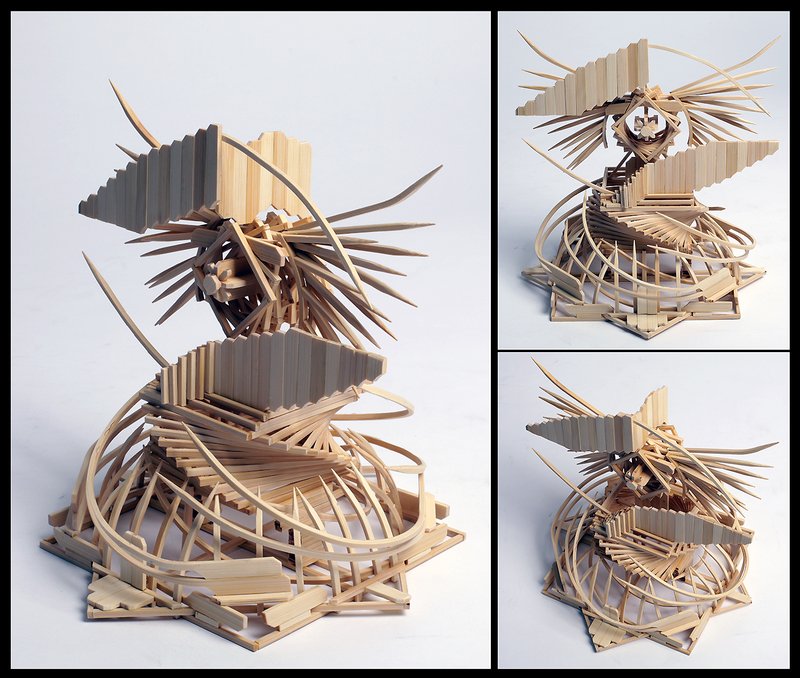
The Pratt Portfolio
Pratt’s portfolio review looks for visual systems thinking, technical development, and evidence of personal creative direction. For design programs (Communication Design, Industrial Design, Interior Design), portfolios should demonstrate problem-solving ability and visual intelligence. For fine arts, personal creative development and a distinctive voice are primary.
Process work is valued at Pratt — showing how ideas developed through sketches, studies, and iterations demonstrates the kind of thinking the school wants to develop. A portfolio of only finished pieces without any visible development process misses an opportunity to demonstrate the depth of creative engagement.
Architecture at Pratt
Pratt’s Architecture program is among its most competitive and most prestigious offerings. Architecture portfolios have specific requirements including perspective drawings, technical drawings, and evidence of spatial thinking. Students targeting Pratt Architecture should research program-specific requirements carefully and prepare accordingly.
Financial Aid and Scholarships
Pratt offers merit scholarships including the Presidential Scholarship ($27,000+/year) for exceptional applicants. Scholarship consideration is based on portfolio quality and academic record. Korean students should apply early and ensure their portfolios are as strong as possible for scholarship consideration.

Frequently Asked Questions
Is Pratt better than SVA?
Pratt and SVA are comparable in overall prestige but have different strengths. Pratt is stronger in industrial design, architecture, and interior design. SVA is stronger in illustration, graphic design for commercial practice, and animation. The better choice depends on the student’s discipline.
What is Pratt’s campus like?
Pratt has a traditional campus in Clinton Hill, Brooklyn — one of the few New York art schools with a genuine campus environment. The neighborhood is established and increasingly desirable, with good transit access to Manhattan.
Can Korean students get the Presidential Scholarship at Pratt?
Yes. The Presidential Scholarship is open to all students including international applicants. The scholarship is based on portfolio quality and academic record. Strong Korean applicants have received this scholarship in previous years.
How does Pratt’s Brooklyn location compare to Parsons’s Manhattan location?
Brooklyn provides a different creative environment from Manhattan — more neighborhood-based, somewhat less intense, and more affordable for housing. The subway commute to Manhattan is straightforward for industry access. Many students prefer Brooklyn’s creative community to Manhattan’s more commercial environment.
Should Pratt be on a Korean student’s school list?
Yes, for students targeting New York City programs. Pratt is an excellent match school alongside RISD and Parsons applications, with genuine program quality and a more realistic admissions outcome for most Korean applicants.
Related Reading
Other NYC Art School Guides
- How to Get Into Parsons: A Complete Guide
- How to Get Into SVA: A Complete Guide
- How to Get Into Cooper Union: A Complete Guide
- How to Get Into RISD: A Complete Guide
Pratt-Specific Resources
공식 정보: Pratt 공식 입시
Essential Admission Topics
Is Art School Worth It in 2026?
How to Research Art Schools Effectively Online
Explore Pratt by Department
Pratt offers distinct programs across art, design, and architecture. Each department has its own portfolio requirements and studio culture.
Related Reading
Pratt In Depth
How Pratt Compares
Admissions Strategy
Other Top School Guides
Frequently Asked Questions
Q1. What is Pratt Institute’s overall reputation?
Pratt Institute, founded in 1887 in Brooklyn, is one of America’s most respected art and design schools. It consistently ranks among the top 10 art schools nationally, with particular strength in Architecture, Interior Design, Fashion Design, and Industrial Design. Pratt occupies a unique position—rigorous enough to compete with RISD and Parsons, while offering a more traditional campus experience and broader program diversity. Its New York City location provides unmatched access to creative industries.
Q2. How selective is Pratt Institute?
Pratt accepts approximately 50-55% of undergraduate applicants, placing it in the moderately selective range for art schools. Architecture is the most competitive program, with higher academic standards. Merit scholarships go to roughly the top 25% of enrolled students. Portfolio quality is the primary admission criterion, though academic performance, recommendations, and the personal statement all contribute. International students (approximately 25% of enrollment) are evaluated with emphasis on portfolio and academic credentials.
Q3. What are Pratt’s best programs?
Pratt’s strongest programs include Architecture (consistently top 10 nationally, NAAB-accredited 5-year BArch), Interior Design (one of the most respected in the country, with a new sustainability focus), Fashion Design (leveraging NYC’s fashion industry), Industrial Design (strong corporate partnerships), and Communications/Graphic Design. The Fine Arts programs—Painting, Drawing, Sculpture, Printmaking—are also respected, particularly for studio practice development.
Q4. What does the portfolio process look like for Pratt?
Pratt requires 10-20 digital portfolio pieces submitted through SlideRoom. Portfolio requirements vary by program: Fine Arts programs want technical range and conceptual work; Architecture wants evidence of spatial thinking and drawing ability; Fashion expects technical drawings, construction samples, and concept boards; Graphic/Communications Design values process work and problem-solving alongside final outcomes. Pratt values creative risk-taking and personal voice over technical perfection.
Q5. What is campus life like at Pratt?
Pratt’s 25-acre Brooklyn campus in Clinton Hill offers a genuine campus experience unusual among NYC art schools. Residential options include dormitories and campus apartments. The campus is known for its outdoor sculpture collection, considered one of the finest in New York. Brooklyn’s creative neighborhoods—DUMBO, Williamsburg, Bushwick—provide studio visits, gallery openings, and creative community. The campus culture balances rigorous studio work with collaborative projects and campus events.
Q6. What are the tuition and financial aid options at Pratt?
Pratt’s tuition for 2025-2026 is approximately $54,000-$56,000 per year. International students are eligible for merit scholarships ($10,000-$30,000/year) but not need-based federal aid. The Presidential Scholarship awards full tuition to exceptional applicants across all programs. Total annual costs including housing, meals, and living expenses in Brooklyn run $70,000-$80,000. Pratt’s financial aid office provides guidance on external scholarship opportunities relevant to international students.
Q7. How does Pratt prepare students for professional careers?
Pratt’s career preparation combines strong faculty mentorship with direct industry connections. Architecture students work with practicing architects through studio reviews and visiting critic programs. Fashion students gain experience through fashion shows attended by industry professionals. Industrial Design collaborates with companies on real-world design challenges. Communications Design students often complete internships at NYC agencies. Pratt’s alumni network is large and active, with graduates at leading firms across architecture, fashion, product design, and communications.
Q8. What facilities does Pratt offer students?
Pratt maintains exceptional facilities across its Brooklyn campus and Manhattan location. Architecture students have access to multiple design studios, fabrication labs with laser cutters and 3D printers, and a dedicated model shop. Fashion students work in sewing labs, draping rooms, and a textile resource library. Photography students have darkrooms and digital labs. Fine Arts facilities include painting studios, printmaking equipment, ceramics kilns, and sculpture yards. Equipment lending programs allow students to borrow professional tools and technology.
Q9. What graduate programs does Pratt offer?
Pratt’s graduate programs include MArch (2-year or 3.5-year depending on background), MFA in Fine Arts, MFA in Communications Design, MFA in Interior Design, and MS in Sustainable Environmental Systems. Graduate programs offer smaller cohorts with more intensive mentorship. Graduate assistantships provide funding in exchange for teaching assistance. Pratt’s MFA programs are recognized for producing professionals who succeed in both academic and industry contexts.
Q10. What should Korean students consider before choosing Pratt?
Korean students at Pratt report strong satisfaction with the program quality and NYC experience. Points to consider: English proficiency requirements (TOEFL 80+ undergraduate); the Brooklyn location offers community but requires adjustment to NYC’s pace; tuition and NYC living costs are substantial (plan $70,000-$80,000/year total); Pratt’s Korean student community provides valuable social support; credits and degrees are well-recognized in Korea’s architecture and design industries; and Pratt’s faculty have connections to Korean institutions that can facilitate career opportunities in both markets.
미국 미대 입시는 단순히 그림 실력만으로 결정되지 않습니다. 포트폴리오의 일관된 스토리, 지원자의 창의적 사고, 그리고 각 학교의 문화와 맞는 개성이 복합적으로 평가됩니다. 로얄블루는 이러한 복합적 기준을 정확히 이해하고, 학생이 가장 강력한 인상을 남길 수 있도록 전략적으로 지원합니다. 지금 바로 상담을 신청하세요.