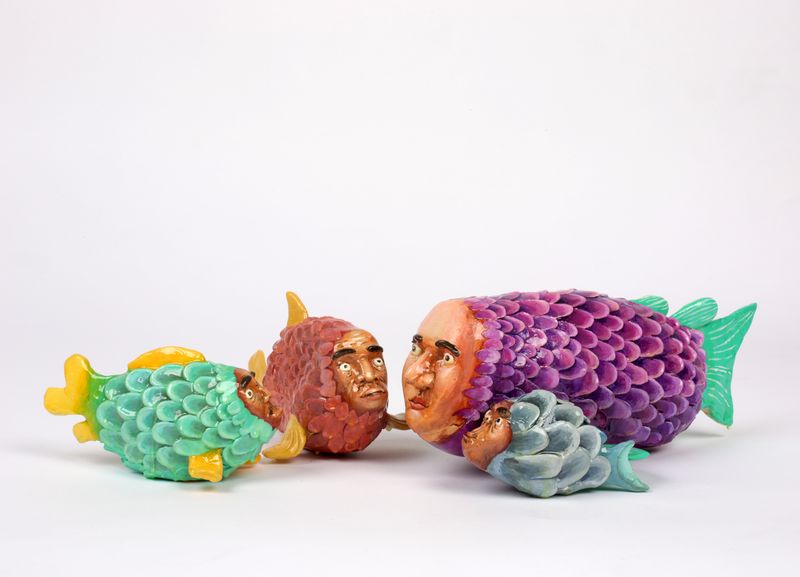
How to Use AI for Reference Gathering Without Plagiarism
AI can accelerate visual reference gathering when used correctly, but careless use risks plagiarism and derivative work. Clear guidelines separate productive research from problematic copying.
AI can accelerate visual reference gathering when used correctly, but careless use risks plagiarism and derivative work. Clear guidelines separate productive research from problematic copying.
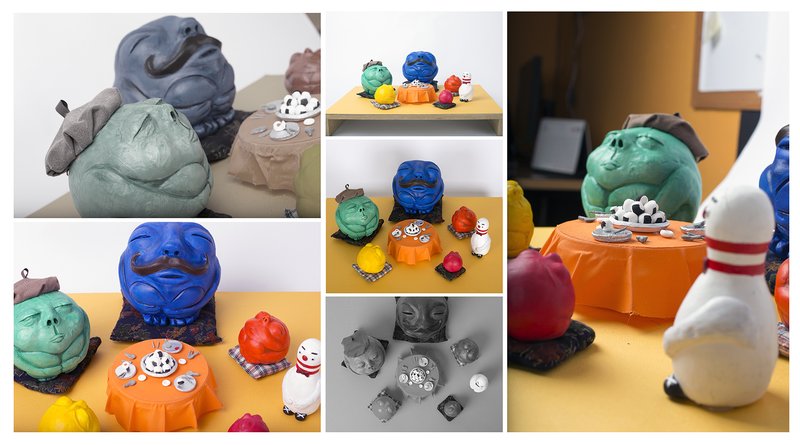
AI can accelerate mood board creation for fine artists exploring new directions. Effective use combines AI generations with traditional sources while keeping the studio work clearly human-driven.
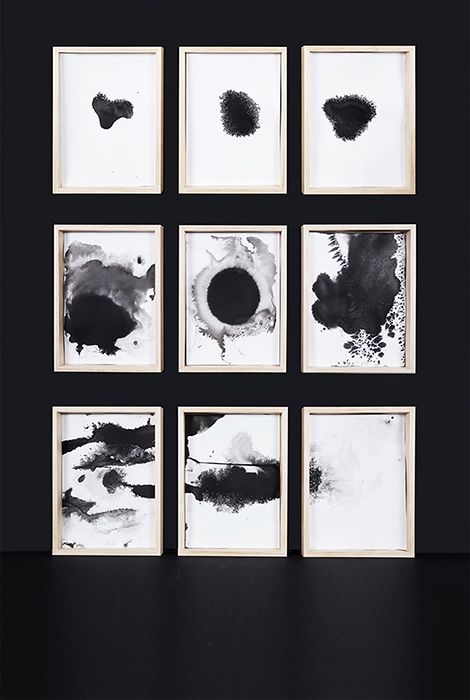
AI can accelerate character design brainstorming for animation and illustration applicants when used strategically. The key is generating quickly for exploration while developing final designs through traditional drawing practice.
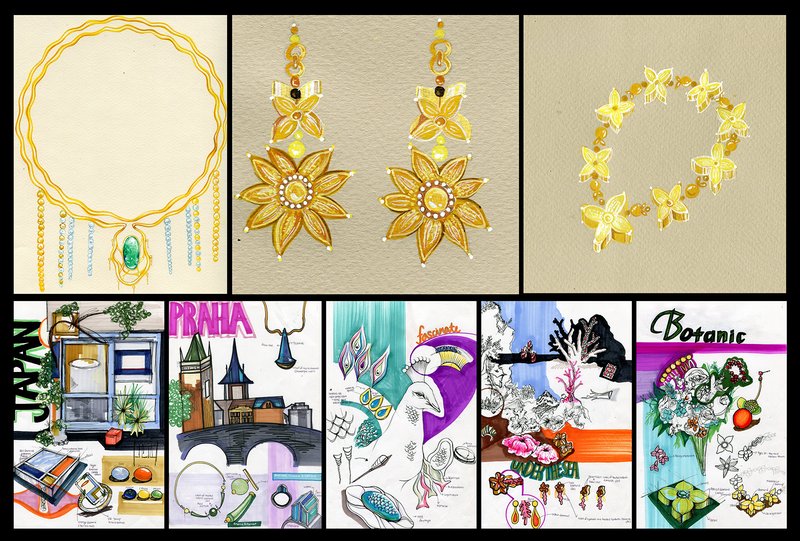
Frequent AI use can quietly erode creative autonomy over time. Specific practices protect artistic self-reliance while still allowing productive engagement with new tools during portfolio preparation.
CCA (California College of the Arts) MFA historically offered interdisciplinary graduate art in the Bay Area — but CCA is closing by end of 2026-27 with Vanderbilt taking over. CalArts MFA remains stable. Critical guidance for Korean MFA applicants navigating this transition.
AI tools raise specific ethical questions for art students about training data, artist consent, creative credit, and professional impact. Thoughtful engagement with these questions strengthens applications and long-term practice.
Art school interviews in 2026 increasingly include AI-related questions. Preparation with specific examples and nuanced reasoning distinguishes thoughtful applicants from rehearsed or defensive ones.
Art schools use multiple methods to identify AI-generated portfolio work, from experienced visual review to technical detection tools. Understanding detection helps applicants make informed disclosure decisions.
Whether to mention AI in your personal statement depends on how much it shapes your artistic practice and thinking. Done well, it signals sophistication. Done poorly, it weakens otherwise strong applications.
Writing about AI honestly in artist statements requires specific language, acknowledgment of genuine uncertainty, and connection to your actual work. Formulaic AI content weakens otherwise strong statements.
Korean students face specific dynamics in US art admissions as AI tool use becomes contested. Strategic navigation leverages Korean strengths while addressing concerns unique to the Korean applicant pool.
NotebookLM lets you upload successful essays and program materials to study them systematically. Used correctly, it accelerates learning without producing AI-written application content.