Illustration is one of the most popular programs among Korean students applying to US art schools — and for good reason. The field connects drawing ability (which Korean students often develop to a high level through domestic preparation) with narrative, conceptual, and commercial applications that are valued across publishing, animation, advertising, and editorial contexts. Choosing the right school for illustration is about more than rankings — it’s about program culture, industry connection, and what kind of illustrator you want to become.
SVA Illustration program ·
RISD Illustration program
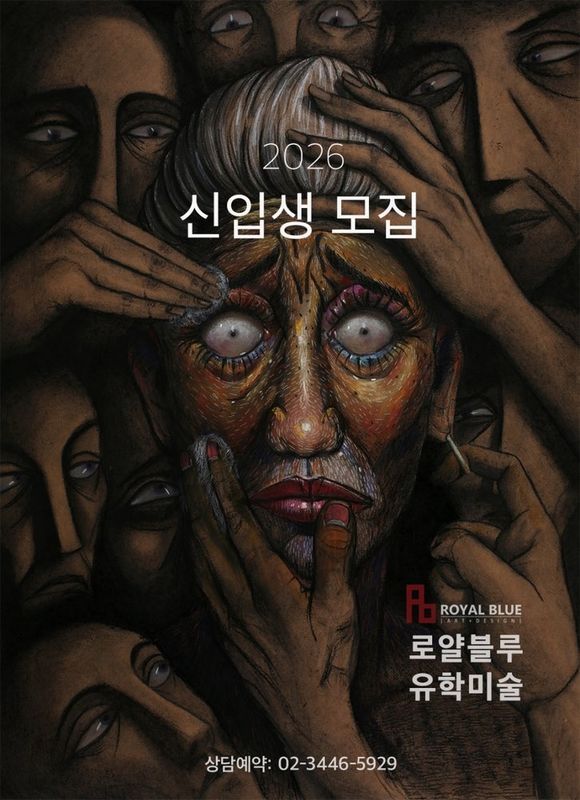
Strong illustration portfolios balance technical skill with personal voice. Include both observational work (life drawing, still life) and imaginative pieces to showcase versatility. Quality matters more than quantity — 12 to 15 strong pieces outperform 25 average ones.
Frequently Asked Questions
Q1. What are the core skills illustration programs look for in portfolios?
Illustration programs primarily evaluate drawing fundamentals: figure drawing, composition, perspective, and light. They also assess stylistic development, narrative ability, and creative problem-solving. Showing a range from observational work to imaginative illustration demonstrates versatility. A cohesive body of work with a recognizable personal voice is the ultimate goal.
Q2. How many pieces should an illustration portfolio contain?
Most programs request 15 to 20 pieces. Quality matters far more than quantity. A portfolio of 15 exceptional pieces outperforms 25 average ones every time. Edit ruthlessly — include only work you’re genuinely proud of and that represents your best capabilities. Every piece should justify its inclusion in the portfolio.
Q3. Do illustration schools want to see a specific style?
Schools want to see YOUR style, not imitation of a famous illustrator’s. Authenticity of vision is more valuable than mastering any particular aesthetic trend. That said, your style should demonstrate technical control and intentionality — idiosyncratic style without underlying skill reads as undeveloped rather than original.
Q4. How important is figure drawing for illustration portfolios?
Figure drawing is foundational for illustration programs. The human figure is central to most narrative illustration, and programs want evidence that you can draw the figure convincingly from observation. Include life drawings alongside imaginative work to demonstrate that your style choices are conscious, not compensating for lack of fundamental skill.
Q5. What mediums work best for illustration portfolios?
Strong illustration portfolios include work across multiple mediums — pencil, ink, watercolor, gouache, digital tools, or mixed media. Demonstrating range shows adaptability and curiosity. However, consistency of quality across mediums matters more than showing everything you’ve tried. Include only your best work regardless of medium.
Q6. Should illustration portfolios include sequential or narrative work?
Sequential narrative work (comics, storyboards, sequential panels) is excellent for illustration portfolios, especially for programs with narrative illustration emphases. If you enjoy storytelling through images, include a short sequence of 4 to 8 panels. This demonstrates time-based composition and character consistency skills particularly valued in publishing and animation contexts.
Q7. How does digital illustration compare to traditional work in portfolios?
Both digital and traditional illustration are equally valid. What matters is the quality of mark-making, composition, and color sense regardless of tool. Some programs specifically value traditional skills as foundational evidence, so including some traditional observational drawings even in predominantly digital portfolios can strengthen your application.
Q8. What common mistakes do illustration applicants make?
Common mistakes include: including too many pieces of uneven quality, over-relying on reference photos without developing imaginative drawing ability, imitating popular styles without developing personal voice, neglecting fundamentals in favor of stylized shortcuts, and failing to document work with good photography or scanning.
Q9. How should illustration students document their physical artwork for digital submission?
Use a flatbed scanner for drawings and paintings whenever possible — scanning produces sharper, more accurate results than photography. For three-dimensional or large-format work, photograph in natural diffused light without harsh shadows. Ensure files are high resolution (minimum 300 DPI) and color-corrected to accurately represent the original work.
Q10. Which art schools are particularly known for strong illustration programs?
RISD, CalArts, SVA, the Ringling College of Art and Design, and the Maryland Institute College of Art (MICA) are consistently recognized for illustration. Each has a distinct culture: RISD emphasizes craft, CalArts favors experimental personal voice, SVA offers strong industry connections in New York publishing and animation.
SVA consistently ranks as the top illustration school in the US by specialized ranking organizations including Animation Career Review. Its BFA in Illustration and BFA in Comics provide two of the most industry-connected illustration programs in the country.
Why SVA for illustration:
- Faculty of working illustrators who are actively publishing in The New Yorker, major publishing houses, editorial contexts, and animation studios
- Manhattan location provides direct access to the illustration industry — art directors at major publishers, editorial outlets, and agencies
- Strong connections to The Society of Illustrators, one of the most important professional organizations for American illustrators
- SVA’s Chelsea Gallery provides exhibition opportunities for illustration students
- BFA Comics is a distinctive program for students interested in sequential art
The SVA illustration culture: SVA is primarily industry-oriented. Students develop work that functions in commercial illustration contexts — editorial, publishing, advertising, and book illustration — with strong emphasis on professional practice alongside artistic development.
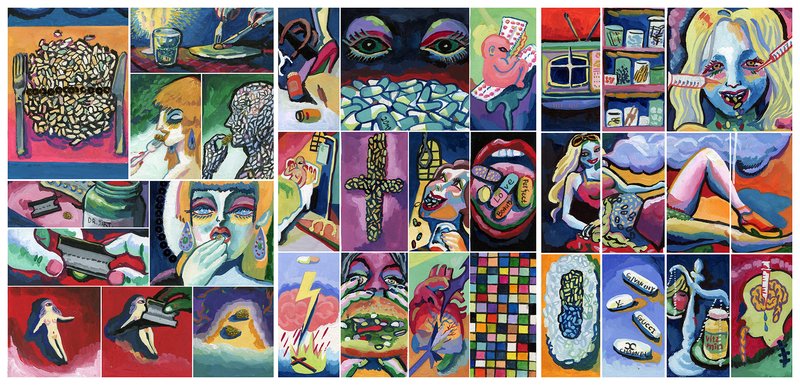
#2: Rhode Island School of Design (RISD) — Providence, RI
RISD’s BFA in Illustration is the school’s largest program — approximately 300 undergraduate students — reflecting the field’s centrality to RISD’s identity. RISD also offers an MFA in Illustration, launched in 2022, for students seeking graduate-level leadership roles.
Why RISD for illustration:
- The largest and most well-resourced illustration program at a US art school
- Strong integration with fine arts culture — RISD illustration students develop work that exists between commercial and gallery practice
- The RISD Museum provides daily access to historical illustration work and original art objects
- Strong alumni network at major publishing houses, animation studios, and editorial outlets
- 24-hour studio access for sustained illustration development
The RISD illustration culture: RISD illustration is known for work that is both commercially viable and artistically distinctive. Students develop a genuine personal visual voice alongside technical proficiency — the balance that produces illustrators who work across editorial, children’s books, animation, and gallery contexts simultaneously.
#3: Pratt Institute — Brooklyn, NY
Pratt’s Communications Design BFA with an emphasis in Illustration provides a well-equipped illustration education in Brooklyn’s creative community. Pratt alumni work at Industrial Light & Magic, DreamWorks, Scholastic, Disney, Cartoon Network, Penguin Random House, and Sony Pictures.
Why Pratt for illustration:
- Strong industry connections demonstrated by alumni placement at major companies
- Brooklyn’s position as a hub of independent publishing, small press, and illustration community
- Strong foundation year that develops observational drawing before specialization
- Presidential Scholarship is one of the most generous merit awards in US art school admissions — up to $27,000+/year
#4: Maryland Institute College of Art (MICA) — Baltimore, MD
MICA offers an Illustration Practice BFA that is consistently ranked among the top 10 illustration programs in the US. MICA alumni work at Adobe, Google, The New York Times, and major animation studios.
Why MICA for illustration:
- Strong illustration program with dedicated faculty
- Lower acceptance rate than SVA but more accessible than RISD
- Generous merit scholarship program for international students
- Baltimore’s lower cost of living relative to New York or Boston
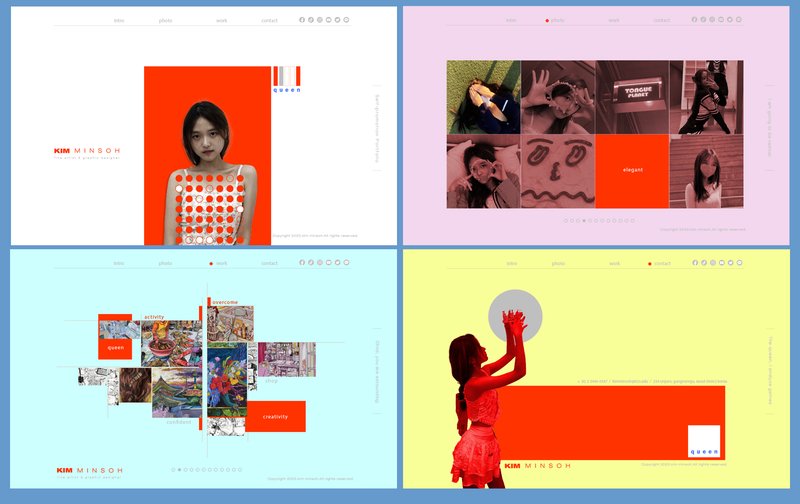
#5: ArtCenter College of Design — Pasadena, CA
ArtCenter’s Illustration program is particularly strong for students interested in entertainment design, concept art, and the intersection of illustration with film and game design. Its Los Angeles location creates specific industry connections.
Why ArtCenter for illustration:
- Strong entertainment design connections — proximity to Hollywood studios and game companies
- Rigorous, technically oriented program that produces illustrators with exceptional craft
- LA creative industries create specific opportunities in concept art and production illustration
- Faculty of working professionals in entertainment and commercial illustration
For Korean Students: Choosing an Illustration Program
Korean students applying to illustration programs bring specific strengths: observational drawing ability, technical precision, and often strong foundational skills developed through domestic preparation. The key development area for most Korean illustration applicants is personal voice — making work that is specifically and recognizably theirs rather than technically excellent but visually generic.
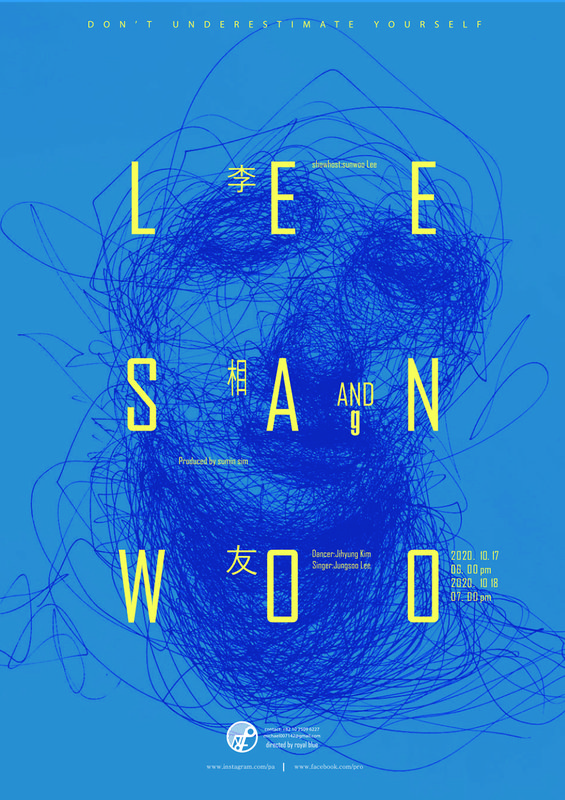
Portfolio advice: US illustration programs value conceptual distinctiveness alongside technical skill. The strongest illustration portfolios show both a range of media and approaches AND a recognizable visual sensibility. Work that looks like everyone else’s — even technically excellent work — is less competitive than work with a specific visual identity.
Frequently Asked Questions
Is SVA or RISD better for illustration? SVA is more industry-oriented and Manhattan-connected; RISD is more fine arts-influenced and technically comprehensive. SVA is better for students targeting editorial and commercial illustration; RISD is better for students who want to work across fine art, editorial, and children’s books with a stronger personal artistic voice.
Do illustration programs require animation skills? Not typically. Most illustration BFA programs do not require animation-specific skills. Some programs (like ArtCenter) have stronger connections to animation and entertainment design, but the core illustration curriculum is drawing and image-making focused.
Can Korean students with strong technical drawing but weaker conceptual development be admitted to top illustration programs? It’s more difficult than it used to be. The top illustration programs increasingly reward genuine creative voice alongside technical skill. Korean students whose portfolios show excellent drawing but generic subject matter and approach may not be competitive at SVA, RISD, and Pratt — even with strong technical foundations.
미국 미대 입시는 단순히 그림 실력만으로 결정되지 않습니다. 포트폴리오의 일관된 스토리, 지원자의 창의적 사고, 그리고 각 학교의 문화와 맞는 개성이 복합적으로 평가됩니다. 로얄블루는 이러한 복합적 기준을 정확히 이해하고, 학생이 가장 강력한 인상을 남길 수 있도록 전략적으로 지원합니다. 지금 바로 상담을 신청하세요.