Quick Answer: CalArts Graphic Design recognized as one of world’s most innovative graphic design programs. Program distinguished by: experimental typography tradition with legendary faculty history (Lorraine Wild, Ed Fella, Jeffery Keedy lineage), emphasis on design as cultural practice, strong critical and historical foundation, alumni influential across international design. BFA Graphic Design 4-year and MFA 2-year programs. Korean students interested in experimental and critical design find distinctive fit — different culture from more commercially-oriented programs. Portfolio should demonstrate typographic sensibility, experimental thinking, design curiosity beyond technical execution. Royal Blue Art guides Korean CalArts Graphic Design applicants with 19+ years of experience.
Understanding CalArts Graphic Design helps Korean applicants considering this distinctive West Coast program. According to publicly available information from CalArts Graphic Design, program emphasizes experimental practice. At Royal Blue Art & Design in Apgujeong, Seoul, we work with Korean Graphic Design applicants.
This guide covers CalArts Graphic Design considerations.
Experimental Design Tradition
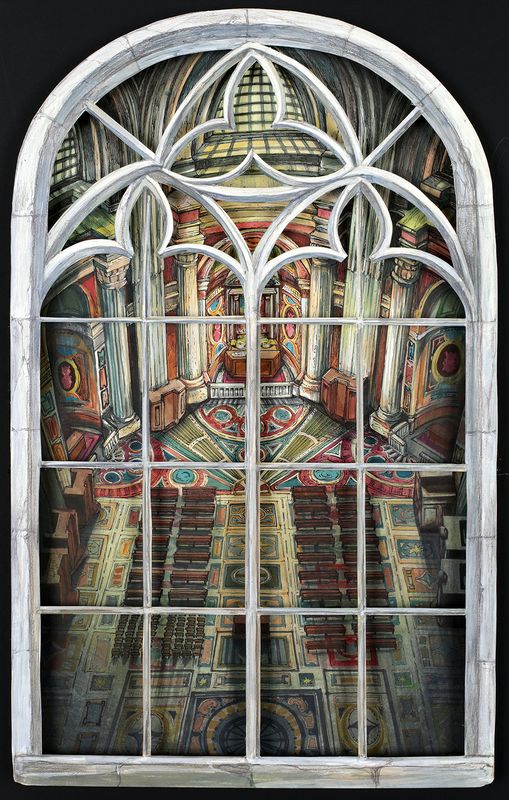
CalArts Graphic Design distinctive for experimental and critical design tradition dating from 1970s-1990s when program pushed graphic design boundaries. Faculty history includes influential figures: Lou Danziger, April Greiman, Jeffery Keedy, Lorraine Wild, Ed Fella — each contributing to experimental graphic design evolution. Program philosophically committed to design as cultural and critical practice rather than purely commercial service. Students encouraged to question conventional design assumptions, experiment with form and meaning, engage design as intellectual and artistic discipline. Korean students from commercial-oriented training find CalArts approach distinctly different. Experimental direction produces designers who influence field rather than follow trends.
Program Philosophy
Program emphasizes: typography as foundational practice deserving substantial investigation, design history and theory as critical knowledge, experimental approach to form and meaning, design as cultural and political practice, development of personal voice over commercial formula execution, critical engagement with design’s role in society. Approach differs substantially from vocational design training. Students develop as designers with substantive thinking rather than technicians executing client work. Korean students adapting from design education focused on commercial deliverables find CalArts expectations different. Intellectual engagement expected alongside visual production.
Typography Emphasis
Typography central to CalArts Graphic Design — foundational practice extensively developed. Students engage typography through: letter form history, experimental type design, text as graphic material, typography as communication and expression, hierarchy and structure in text-based design, contemporary and historical type design. Korean students often less developed in typography than in pure visual execution — CalArts emphasizes typography substantially. Hangul typography awareness can productively combine with Latin typography development. Type-specific courses supplement broader design studios. Typography as intellectual discipline with philosophical depth rather than just technical skill.
Curriculum Structure
BFA Graphic Design typical progression: Year 1 foundation with other CalArts schools, Year 2 introduces graphic design through typography, design studios, design history, Year 3 advanced studios with increasing experimentation, theory and criticism courses, Year 4 senior studio and thesis project. Typography courses throughout. Design theory and history substantive rather than peripheral. Liberal arts through Critical Studies program. Regular critiques with peers and faculty. Students develop personal direction through program. Smaller cohort than large state schools — intensive individual attention possible.
Portfolio Considerations
Strong CalArts Graphic Design portfolio demonstrates: typographic sensibility and work, experimental or unusual approaches, design thinking beyond commercial formula, personal voice and perspective, some historical or theoretical awareness, willingness to take visual risks, drawing capability, process documentation. Korean applicants often strong in polished commercial-style work but need to show: experimental thinking, typography-focused work, personal direction distinct from trends, intellectual engagement with design. Too polished portfolios without visible thinking less competitive than rougher portfolios showing substantive engagement. Process valued alongside final products.
MFA Program Distinctive
CalArts MFA Graphic Design internationally recognized as highly competitive and distinctive graduate program. 2-year intensive program with small cohort. Strong reputation among top graduate design programs. Alumni prominent in international design conversation. Korean students with design backgrounds sometimes target MFA directly after Korean undergraduate. Application requires substantial portfolio beyond undergraduate level plus statement of purpose articulating design direction and reasons for CalArts specifically. MFA culture intensive — peer community becomes central to education. Graduate program distinctive character separate from undergraduate.
Faculty and Alumni
Faculty include practicing designers with influential work: studio designers with international recognition, type designers, design educators and theorists, designers working across contemporary practice areas. Alumni influential in international design: practicing designers at major studios, independent practitioners, academics at other design programs, type designers, design critics and writers. Korean alumni network growing with Korean designers engaging international design discourse. CalArts alumni distinctive in experimental direction. Network valuable for career development and ongoing design dialogue. LA design community strong — CalArts alumni active participants.
Career Paths
Graduates pursue varied paths: independent design studio practice, in-house design for organizations valuing distinctive design, advertising agencies with creative emphasis, academic teaching, type design specifically, critical design practice exploring alternative directions, cross-disciplinary design. LA location provides design industry access though less concentrated than NYC. Korean students have opportunities in Korea and internationally. Career patience important — experimental direction sometimes requires building reputation over time for commercial context. Academic teaching common career path given CalArts intellectual tradition. Graduate program leads to teaching alongside practice.
Korean Applicant Preparation
Korean applicants should develop: typography literacy through practice with both Latin and Korean typography, experimental design thinking through personal projects, design history knowledge, exposure to contemporary design discourse, willingness to take visual risks, critical thinking about design’s cultural role. Reading in design criticism (Eye magazine, Design Observer, Emigre archives) valuable. Visit Korean design exhibitions showing experimental direction. Personal projects showing voice distinct from commercial trends. Process documentation habits. English capability for intensive theoretical coursework.
Frequently Asked Questions
CalArts or RISD Graphic Design?
Both experimental and critical but different cultures. CalArts West Coast with specific experimental tradition. RISD East Coast with strong typography emphasis. Both excellent — visit if possible to feel culture.
Is experimental direction limiting for commercial careers?
Not necessarily. Experimental foundation produces designers valuable for distinctive work. Commercial careers possible but graduates often choose distinctive practice. Adaptive thinkers succeed across contexts.
Should my portfolio be polished or experimental?
Experimental thinking more important than polish. Show process and development. Perfect portfolios without visible thinking less valued than rougher portfolios with substantive engagement.
How competitive is admission?
Highly competitive especially MFA. Undergraduate BFA competitive with international applicant pool. Strong preparation essential. Experimental portfolio direction matters for fit.
Next Steps
CalArts Graphic Design preparation benefits from typography development, experimental thinking cultivation, critical design engagement. Korean students ready for distinctive experimental direction find internationally influential program.
Ready for CalArts Graphic Design preparation? Contact Royal Blue Art & Design for guidance.
Related Reading
School Deep Dives
- CalArts Film and Video Program: Deep Dive
- CalArts Photo and Media Program: Deep Dive
- RISD Graphic Design Department: Deep Dive
- CalArts in 2026: Program Updates and Current Faculty
- Parsons Communication Design Department: Deep Dive