Quick Answer: RISD Jewelry and Metalsmithing Department combines rigorous traditional metalwork craft with contemporary jewelry art practice. Program distinguished by: deep technical training in metalwork, focus on jewelry as wearable art rather than just commercial adornment, extensive metalsmithing facilities, faculty of practicing jewelers and metalsmiths. Four-year BFA. Korean students with craft interest and fine making orientation compete well. Portfolio should demonstrate three-dimensional thinking, some making experience, material sensitivity, drawing capability, personal aesthetic direction. Career paths include studio jewelry practice, commercial jewelry design, craft-based practice, academic teaching. Royal Blue Art guides Korean Jewelry applicants with 19+ years of experience.
Understanding RISD Jewelry Metalsmithing helps Korean applicants interested in this specialty craft program. According to publicly available information from RISD Jewelry + Metalsmithing, department combines traditional craft with contemporary practice. At Royal Blue Art & Design in Apgujeong, Seoul, we work with Korean Jewelry applicants.
This guide covers RISD Jewelry and Metalsmithing specific considerations.
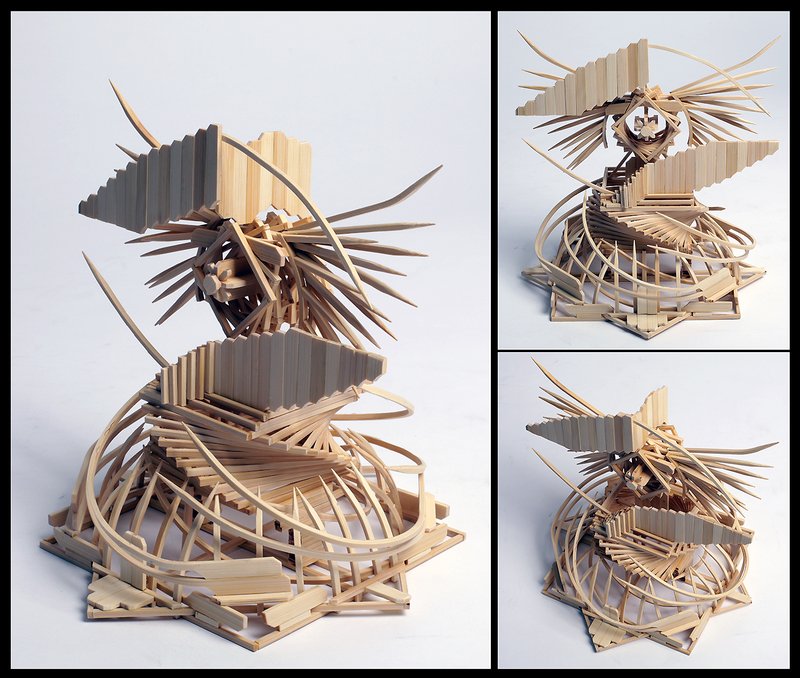
Jewelry as Art
RISD Jewelry and Metalsmithing treats jewelry as contemporary art practice rather than commercial jewelry manufacturing training. Contemporary jewelry extends beyond decorative adornment — engages ideas, social commentary, conceptual questions, identity, body politics, material investigation. International contemporary jewelry community values substantive artistic practice. RISD approach prepares students for this context. Korean students sometimes expect jewelry as commercial craft — RISD approach expands this substantially. Commercial jewelry skills transferable from art-focused training but direction distinct. Korean traditional jewelry heritage (비녀, 노리개, 전통 장신구) can productively connect with contemporary RISD approach.
Curriculum and Techniques
Program covers extensive metalsmithing techniques: basic metal forming (sawing, filing, soldering), advanced fabrication, stone setting, enameling, casting (lost-wax, sand casting), hollowware and vessel making, chain making, surface treatments, alternative materials integration. Curriculum structure: Foundation Year, Year 2 introduces jewelry/metalsmithing fundamentals, Year 3 advanced studios with specialization, Year 4 senior studio with independent practice. Drawing capability essential — technical drawing plus design sketching. Materials knowledge beyond metals (enamel, stones, alternative materials) integrated. History of jewelry studied including Korean and Asian traditions. Liberal arts throughout.
Facilities
Specialized facilities support metalwork learning: metalsmithing studios with workbenches, gas torches, polishing stations, casting facilities including lost-wax casting, enameling facilities, stone-setting equipment, tool libraries, photography setups for documenting small work. Facility access develops over 4 years with increasing technical complexity. Safety training required before accessing equipment. Small student-to-facility ratio enables substantial hands-on time. Korean students often surprised by facility scale — comprehensive metalsmithing facilities rare at university level. Technical skill development through sustained facility access produces capable makers. Studio space for senior thesis work.
Portfolio Considerations
Strong portfolio demonstrates: three-dimensional thinking through any 3D work (doesn’t need to be jewelry specifically), drawing capability (observational and design), some fine motor skill evidence through small-scale work, materials awareness, design process and iteration, some making capability, personal aesthetic direction. Korean applicants with strong drawing and some craft experience positioned well. Include any jewelry or small-scale making, or substitute with other 3D work showing similar capabilities. Observational drawings of objects, flowers, hands at detailed scale help. Process documentation valuable. Personal aesthetic direction distinguishes from purely technical demonstration. Korean traditional craft interest can productively appear.
Faculty and Alumni
RISD Jewelry faculty include practicing contemporary jewelers with international recognition: studio jewelers with gallery representation, commercial jewelry designers, hollowware and vessel makers, craft historians. Strong alumni network in contemporary jewelry community globally. Alumni prominent in Society of North American Goldsmiths (SNAG) and international contemporary jewelry circles. Korean alumni work in Korean jewelry industry, Korean contemporary art scene, international studios. Gallery representation for studio jewelers develops over years. Teaching positions available for those pursuing academic path. Faculty mentorship substantial given small cohort size.
Career Paths
Graduates pursue varied paths: studio jewelry practice (independent makers with gallery representation), commercial jewelry design for companies, jewelry manufacturing and production, academic teaching, cross-disciplinary craft practice, entrepreneurship through jewelry businesses. Korean graduates benefit from Korean jewelry industry interest — domestic Korean market plus export. Seoul’s Jewelry District (예지동, 종로) offers professional context. Korean contemporary jewelry artists gaining international recognition. International career paths through studio practice and exhibition. Craft fairs and gallery shows build reputation. Career development patient — studio jewelry careers typically build over years.
Korean Jewelry Heritage
Korean students can engage Korean jewelry heritage: traditional Korean ornaments (norigae 노리개, binyeo 비녀 hairpins, donggaeul 동곳, traditional rings), traditional metalwork (bronze work, silver inlay, gold work), specific Korean techniques and material choices, contemporary Korean jewelry artists gaining recognition (Sooyeon Kim, Kiwon Wang, others). Korean traditional jewelry philosophy emphasizing subtle elegance rather than ostentation aligns with much contemporary jewelry. Authentic cultural engagement produces distinctive portfolio work. National Folk Museum and National Museum collections offer substantial research material. Korean traditional goldsmithing knowledge productive foundation.
Korean Applicant Preparation
Korean applicants should develop: drawing capability with fine detail work, some three-dimensional thinking through any material, any metalwork or craft experience when accessible, observational drawing at small scale, exposure to contemporary jewelry through exhibitions and publications, Korean jewelry heritage engagement, material experimentation. Seoul craft workshops and classes offer hands-making exposure. Jewelry-specific classes available at some Seoul facilities. Visit Korean and international jewelry exhibitions. Korean Crafts & Design Foundation exhibitions show contemporary practice. Some hand-tool experience helpful. Fine motor skill development through any small-scale making.
Frequently Asked Questions
Do I need prior metalsmithing experience?
Not required. Program teaches techniques from foundation. Some craft or making experience helps. Willingness to work at small scale with precision matters.
Is contemporary jewelry career viable?
Yes in varied forms. Studio practice builds over years. Commercial jewelry design provides income. Academic teaching possible post-MFA. Craft fair and gallery path common.
Should I pursue jewelry for Korean market specifically?
Korean market growing for contemporary jewelry. RISD preparation equips for Korean and international practice. Flexibility allows market adjustment. Strong preparation works multiple markets.
How does program compare to Korean jewelry programs?
Different emphasis. Korean programs often more commercial/technical focused. RISD emphasizes jewelry as art practice alongside technique. Complementary different directions.
Next Steps
RISD Jewelry and Metalsmithing preparation benefits from small-scale making experience, fine drawing development, craft engagement. Korean students with these elements plus heritage interest prepare effectively.
Ready for RISD Jewelry preparation? Contact Royal Blue Art & Design for guidance.
Related Reading
RISD Department Deep Dives
- RISD Textiles Department: Deep Dive
- RISD Sculpture Department: Deep Dive
- RISD Furniture Design Department: Deep Dive
- RISD Ceramics Department: Deep Dive
- Rhode Island School of Design in 2026: What Has Changed