Quick Answer: RISD Glass Department distinctive as one of few US BFA Glass programs — glass art specifically requires facilities few schools maintain. Program combines hot glass working (blowing, sculpting), cold working (cutting, grinding, polishing), casting, and kiln working. Distinguished by: active hot shop facility, experienced faculty practicing glass artists, integration with broader fine arts community. Korean students have rare US option for glass specialty. Portfolio should show three-dimensional thinking, any making experience (not necessarily glass), interest in light and transparency, craft sensibility. BFA 4-year + MFA options. Royal Blue Art works with Korean students interested in specialty craft programs with 19+ years of experience.
Understanding RISD Glass Department helps Korean applicants evaluate this rare specialty program. According to publicly available information from RISD Glass, department provides facilities and instruction for serious glass practice. At Royal Blue Art & Design in Apgujeong, Seoul, we support Korean students interested in specialty craft programs.
This guide covers RISD Glass specific considerations.
Rare Program Context
RISD Glass among few US BFA programs dedicated to glass art. Glass requires substantial facilities (hot shop with furnaces, glory holes, annealing ovens, cold working equipment) that most programs lack. Alternative programs include Rhode Island School of Design, Alfred University (New York), Tyler School of Art (Philadelphia), Tacoma’s Pilchuck Glass School (not degree-granting but significant). Korean students interested specifically in glass have unusual US option through RISD. Program treats glass as substantive artistic medium rather than craft-only. Contemporary glass art internationally recognized with distinct professional practice and market. Korean students pursuing glass find specialized preparation available.
Department Philosophy
RISD Glass emphasizes: technical mastery through hot and cold glass working, understanding glass as material with specific properties (transparency, light transmission, thermal behavior), contemporary glass practice including traditional and expanded approaches, integration with broader fine arts thinking, safety and physical stamina requirements for hot shop work. Glass working physically demanding — sustained heat exposure, physical object manipulation, team collaboration for hot shop work. Program builds both technical capability and artistic voice. Students work in team-dependent hot shop environments alongside individual studio work. Korean students must understand physical nature of practice before committing.
Technical Range
RISD Glass develops capability across techniques: hot glass blowing (gathering from furnace, shaping at glory hole, finishing), hot sculpting (working directly with molten glass), casting (creating glass forms through mold processes), cold working (cutting, grinding, polishing, engraving), kiln work (fusing, slumping), stained glass techniques. Students develop broad technical vocabulary before specializing. Each technique has distinct learning curve — years required for mastery. Korean students entering without glass experience need patience for technical development. Physical capability develops alongside artistic sensibility. Safety protocols essential — hot shop environment requires constant attention.
Hot Shop Facility
RISD hot shop provides essential infrastructure: glass-making furnaces (melting and holding molten glass at working temperature), glory holes (reheating glass during working), annealers (slow cooling to prevent thermal cracking), tools and pipes for glass manipulation, cold working equipment (saws, grinders, sandblasters), kilns for casting and fusing. Hot shop requires constant staff maintenance and safety oversight. Students schedule hot shop time competitively given limited capacity. Korean students must understand team-dependent nature of hot shop work — individual sessions require assistants. Partnership with other students essential for most hot shop work. Social dynamic distinct from solitary studio practices.
Curriculum Structure
BFA Glass typical progression: Foundation Year with RISD foundation, Year 2 introduces glass fundamentals — hot shop basics, cold working, materials, Year 3 advanced techniques, personal direction development, Year 4 senior studio, thesis project, professional preparation. Core courses include Glass Studio (throughout), Design, Drawing, Art History, Critical Studies. Students develop technical vocabulary before specializing. Liberal arts requirements throughout. Cross-department work with Ceramics, Sculpture, other fine arts common. Brown cross-registration possible. Safety training mandatory before hot shop access.
Portfolio Considerations
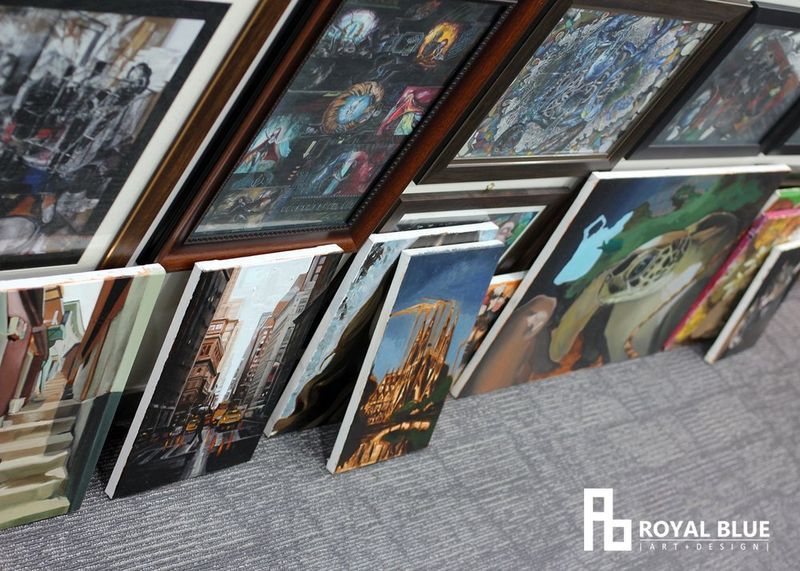
Strong RISD Glass portfolio includes: three-dimensional work of any kind, some making experience, drawing capability, interest in light and transparency visible in work, materials awareness, any glass experience (not required), personal voice emerging. Glass-specific experience helpful if available but not required — most applicants enter without substantial glass background. Any craft, sculpture, or making experience demonstrates relevant thinking. Observational drawing capability valued across RISD. Korean applicants can include Korean craft-related work (ceramics, wood, metal) showing making sensibility. Include process documentation when possible. Demonstrating sustained making practice important.
Career Paths
RISD Glass graduates pursue varied paths: independent studio glass practice (functional and sculptural), gallery-represented glass artist career, commercial glass design, architectural glass commissioned work, cross-disciplinary artistic practice incorporating glass, academic teaching at specialty programs, assistant work at major glass studios. Glass world international community substantial — Pilchuck (USA), Penland (USA), The Glass Furnace (Turkey) provide continuing education and networking. Korean glass community smaller but developing. Income varies by direction — commercial design more stable, studio artist variable. MFA often needed for academic teaching. Specialized market but passionate community support.
Korean Applicant Considerations
Specific Korean Glass applicant considerations: Korean glass community smaller than other craft traditions (ceramics, textiles), program rare US option requiring serious commitment, physical demands significant (heat, weight, sustained standing), team-dependent work requires social comfort and collaboration, Korean alumni small but growing, career paths sometimes require international pursuit rather than Korean return. Korean students with ceramic background often find glass accessible given similar three-dimensional thinking. Visit glass studios if possible in Korea — Seoul has some options. Consider physical comfort with hot environments.
Frequently Asked Questions
Is glass viable career path for Korean student?
Viable but specialized. International glass community provides opportunity. Korean market smaller. Requires serious commitment to specialty practice. Consider if sustained glass passion matches program investment.
Do I need prior glass experience?
Not required. Most applicants enter without substantial glass experience. Program teaches technique. Any making experience demonstrates relevant thinking.
How physically demanding is glass work?
Significantly. Heat exposure, sustained standing, object weight, team coordination required. Korean students should honestly assess physical comfort with demanding environment before committing.
Can I combine glass with other RISD programs?
Cross-department work encouraged. Students collaborate with Ceramics, Sculpture, other departments. Can take non-major courses extensively. Concentrated Glass major with cross-discipline engagement typical.
Next Steps
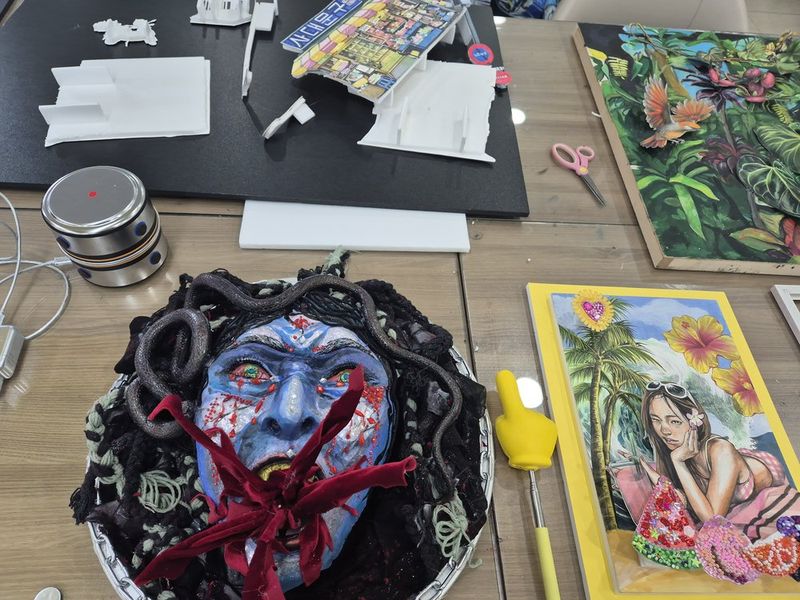
RISD Glass preparation benefits from making experience, three-dimensional thinking, and commitment to specialty practice. Korean students serious about glass find rare US specialty option.
Ready for RISD Glass preparation? Contact Royal Blue Art & Design for guidance.
Related Reading
RISD Department Deep Dives
- RISD Ceramics Department: Deep Dive
- RISD Painting Department: Deep Dive
- RISD Furniture Design Department: Deep Dive
- RISD Printmaking Department: Deep Dive
- Rhode Island School of Design in 2026: What Has Changed