Frequently Asked Questions
Q1. What makes Pratt’s program unique among peers?
Pratt’s program stands out through a distinctive combination of faculty expertise, facilities, and pedagogical approach. The program’s graduates consistently achieve recognition in their fields, with alumni working at leading institutions, studios, and galleries worldwide. Students benefit from both rigorous technical training and conceptual development that prepares them for the full range of professional and artistic careers in their discipline.
Q2. How competitive is admission to this program?
Admission to Pratt’s program is highly competitive, attracting applications from across the US and internationally. Portfolio quality is the primary evaluation criterion, with faculty reviewers looking for both technical skill and evidence of personal creative vision. Korean students who have developed distinctive artistic voices through rigorous preparation tend to be competitive applicants. Apply with your most authentic, personal work rather than work designed to match a perceived aesthetic preference.
Q3. What portfolio should I prepare for this program?
A strong portfolio for this program should demonstrate: technical skills appropriate to the discipline; evidence of personal creative thinking and developing voice; process work showing how ideas develop; range across media or approaches; and work that reflects genuine artistic engagement rather than academic formula. 12-20 pieces is the typical range. Prioritize quality over quantity—your strongest 12 pieces are more powerful than 20 pieces of mixed quality.
Q4. What does first year look like in this program?
First year typically involves foundational courses building shared technical vocabulary, studio projects that develop skills in core techniques and conceptual approaches, art history and critical studies requirements, and often critique-intensive studio reviews. Students are introduced to the program’s culture, expectations, and community. The first year is typically the most technically intensive, with subsequent years allowing more individual development and specialization.
Q5. What facilities and resources does this program provide?
Pratt maintains exceptional facilities that support advanced work in this discipline. Students have access to professional-grade equipment, specialized studios, and fabrication tools. The program’s connections to the broader school provide access to interdisciplinary resources across related departments. Faculty maintain active professional practices and bring direct connections to industry, galleries, and institutions that benefit students’ career development.
Q6. What career paths do graduates typically pursue?
Graduates pursue diverse careers spanning: professional practice in the relevant industry; fine arts with gallery representation; academic positions and teaching; independent freelance practice; positions at leading studios, agencies, or institutions; and entrepreneurial ventures launching their own practices. The program’s alumni network provides connections that open doors throughout careers. Korean graduates find strong opportunities both in the US market and in Korea’s growing creative industries.
Q7. How does critique culture work in this program?
Critiques are central to the educational experience—work is presented regularly to faculty, visiting critics, and peers for discussion and feedback. The ability to articulate your creative intentions clearly and respond to criticism constructively is developed through this process. Strong critique culture is both challenging and transformative, developing the communication skills that distinguish successful professional practitioners. Korean students sometimes find the directness of US critiques initially uncomfortable, but most report it as ultimately the most valuable aspect of their education.
Q8. How should I approach the application portfolio?
For Pratt’s program, your portfolio should lead with your strongest, most distinctive work—reviewers form impressions quickly. Include process documentation for at least one project to demonstrate your thinking approach. Make sure any 3D work is photographed from multiple angles in good lighting. Your personal statement should specifically reference program features, faculty, and how this program serves your development. Generic applications to multiple schools rarely succeed at highly selective programs.
Q9. What scholarships and funding are available to international students?
Pratt offers merit-based scholarships to outstanding international students, awarded automatically at admission based on portfolio quality. Additional departmental scholarships and grants may require separate application. Korean students should investigate Korean government overseas study programs and arts-specific foundations. Total annual costs including tuition and living expenses should be factored into long-term financial planning. Contact the financial aid office early in the application process to understand current funding opportunities.
Q10. What should Korean students specifically know about this program?
Korean students at Pratt benefit from a welcoming community with experienced international student support. The program values diverse cultural perspectives, and authentic Korean artistic sensibilities—whether drawing on traditional heritage or contemporary Korean creative culture—are genuinely appreciated when deployed thoughtfully. Develop comfort articulating your work’s conceptual basis in English before arrival. Connect with current Korean students in the program if possible to get honest assessments of the experience. Most report that the initial cultural adjustment challenges are more than offset by the program’s quality and career outcomes.
Royal Blue Art Studio | Pratt 2026 Intelligence Report
Pratt Institute in 2026: Brooklyn Navy Yard, New Interdisciplinary Programs, and the Applicant’s Strategic Guide
Pratt’s Brooklyn campus is expanding its footprint into one of the most dynamic creative districts in the world. In 2026, new facilities, strong architecture and design programs, and a deepening commitment to civic engagement define Pratt’s identity.

Pratt in 2026: A School Defined by Its Brooklyn Identity
Pratt Institute, founded in 1887, sits on a 25-acre campus in the Clinton Hill neighborhood of Brooklyn — one of the most architecturally and culturally rich settings available to an art and design school anywhere in the country. The campus itself is a living museum: more than 25 outdoor sculptures by artists including Mark di Suvero, Ellsworth Kelly, and David Smith are distributed across the grounds, and the original 19th-century industrial buildings that anchor the campus create a spatial environment unlike any conventional art school.
Pratt’s president Frances Bronet, serving since 2018, has deepened the school’s commitment to civic engagement and interdisciplinary practice. Under her leadership, Pratt has expanded its partnerships with Brooklyn-based institutions and industry players, reinforcing the school’s long tradition of treating the city as an extension of the studio. The Brooklyn Navy Yard expansion — a 20,000-square-foot research and making facility — represents the most significant physical expansion of Pratt’s footprint in a generation.
📌 Pratt’s Core Identity in 2026
Pratt is neither as theoretically rigorous as RISD nor as industry-connected as SVA. Its distinctive strength is its integration of art, architecture, design, and liberal arts within a genuine campus community in one of the world’s most creatively dense cities. Students at Pratt develop in contact with both intellectual rigor and practical craft, in a setting where Brooklyn’s creative economy is immediately accessible.
2026 Key Development: The Brooklyn Navy Yard Research Facility
The Pratt Research Yard at the Brooklyn Navy Yard — a 20,000-square-foot facility opened in the current period — is the most significant development for applicants to understand. The Navy Yard has become one of the most important creative and manufacturing districts in New York, home to dozens of studios, fabrication businesses, and design practices. Pratt’s presence there gives students direct access to advanced making facilities, collaboration opportunities with professional studios, and a network of practitioners who work at the intersection of design, technology, and fabrication.
For students interested in Industrial Design, Architecture, Interior Design, or any discipline that involves physical making, this facility represents a genuine expansion of what a Pratt education can provide. It also signals the school’s direction: toward more applied, civic, and industry-engaged practice.
Pratt Programs: Overview and Strengths
| Program | Degree | Strength Level | Portfolio Priority |
|---|---|---|---|
| Architecture (B.Arch) | B.Arch / M.Arch | 🏆 Top nationally | Spatial thinking + drawing + model-making |
| Industrial Design | BFA / MFA | Excellent | Problem-solving process + 3D thinking |
| Interior Design | BFA / MFA | Very Strong | Spatial awareness + material sensitivity |
| Communication Design | BFA / MFA | Strong | Concept + visual communication |
| Fine Arts | BFA / MFA | Strong | Artistic voice + conceptual intent |
| Fashion Design | BFA / MPS | Good | Design thinking + construction |
| Digital Arts (Film/Animation) | BFA / MFA | Good + growing | Vision + technical range |
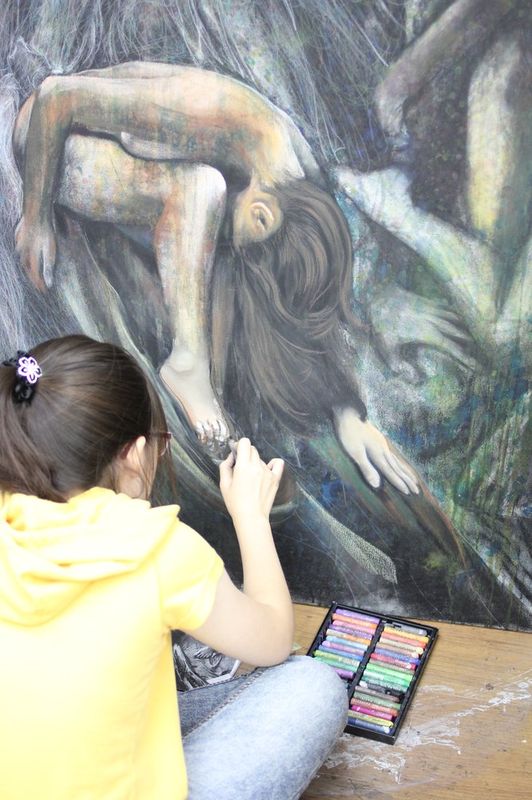
Frequently Asked Questions: Pratt 2026
Preparing to Apply to Pratt in 2026?
Royal Blue Art Academy has helped students gain admission to Pratt Institute for over a decade. Our advisors provide 1-on-1 portfolio coaching and application strategy tailored to each school’s specific requirements.
Book a Free Consultation →