Quick answer: The New York Academy of Art is a graduate-only school in Tribeca offering an MFA in Drawing, Painting or Sculpture plus a one-year certificate. There is no undergraduate degree here. Across Royal Blue’s 1,099 acceptances since 2009, NYAA does not appear — and the reason is structural rather than qualitative. Our applicants are overwhelmingly undergraduate design candidates. For the fine art track, NYAA deserves a look; for a BFA in graphic design, it is not an option.
The New York Academy of Art is one of the most unusual graduate art institutions in the United States — a school built entirely around the conviction that classical figurative training is the right foundation for contemporary artistic practice. This complete guide to the New York Academy of Art covers what the school is, who it serves, and what students can expect from its distinctive educational approach.
New York Academy of Art at a Glance
| Factor | Details |
| Location | Tribeca, Manhattan, New York City |
| Degree Level | MFA only — graduate school exclusively |
| Acceptance Rate | ~60% of graduate applicants |
| Tuition | ~$38,000/year (2-year MFA) |
| TOEFL Requirement | 100 iBT minimum |
| Program Focus | Classical figurative training — drawing, painting, sculpture |
| Founded | 1982 by Andy Warhol and others |
What the New York Academy of Art Is
The New York Academy of Art is a graduate-only institution — it offers MFA degrees exclusively and does not have undergraduate programs. This is a critical distinction for prospective students: Korean students seeking undergraduate art education should look elsewhere. The NYAA is specifically for graduate students who want to develop their practice within a classical figurative training framework.
Key Insight: New York Art Schools
New York City hosts the most competitive concentration of art schools in the world. Parsons, SVA, Pratt, Cooper Union, and NYU Tisch each occupy distinct niches. NYC schooling means immersion in gallery culture, industry networking, and the global art market from day one.
Frequently Asked Questions
The school was founded in 1982 by Andy Warhol, Stuart Pivar, and Eileen Guggenheim with a specific mission: to revive rigorous figurative training as the foundation for serious contemporary art practice. This founding philosophy remains central to the school’s identity today. Students who enroll are explicitly choosing the classical training approach.
The Classical Figurative Training Approach
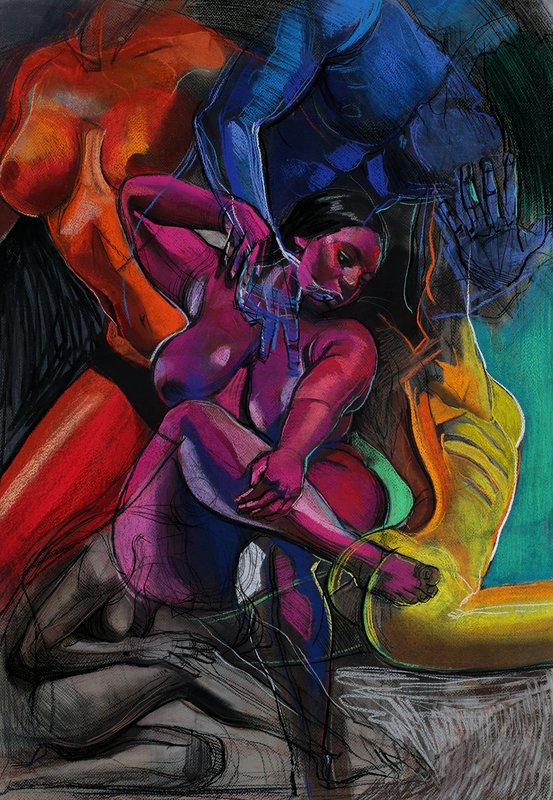
Classical figurative training at the New York Academy of Art means developing mastery of drawing, painting, and sculpture rooted in the traditions of the Old Masters — anatomical drawing, life drawing from observation, color theory, and the technical skills that characterized European academic art training before modernism disrupted those conventions.
The school’s position is that this classical foundation — rather than limiting contemporary practice — provides the technical mastery that makes genuinely ambitious contemporary work possible. Students develop exceptional observational drawing skills, deep anatomical knowledge, and material mastery that they then apply to whatever contemporary concerns drive their creative practice.
MFA Programs at NYAA
MFA Painting
The MFA Painting program develops both traditional oil painting techniques and contemporary painting practice. Students work from life — figures, still life, landscape — alongside developing personal contemporary approaches. The program produces painters with exceptional technical foundations who then develop distinctive contemporary voices.
MFA Drawing
The MFA Drawing program is one of the few graduate programs in the US that treats drawing as a primary discipline rather than a support skill. Students develop advanced drawing in multiple media alongside a critical understanding of drawing’s history and contemporary significance.
MFA Sculpture
The MFA Sculpture program covers traditional figurative sculpture — clay modeling, casting, carving — alongside contemporary sculpture practice. Students develop exceptional material skills in the classical tradition.
MFA Printing
NYAA’s MFA Printing program covers traditional printmaking disciplines alongside contemporary print practice, with access to the school’s well-equipped printmaking studios.
NYAA’s Tribeca Location
NYAA is located in Tribeca — one of Manhattan’s most established art communities, historically associated with artists’ lofts, galleries, and creative industry. The neighborhood provides immediate access to the New York art world in one of its most concentrated forms. Students regularly encounter artists, collectors, and gallery professionals in their daily environment.

Who Should Consider NYAA
The New York Academy of Art is the right choice for graduate students who specifically believe that classical figurative mastery is the right foundation for their contemporary practice. It serves students who are drawn to the human figure as a subject, who value technical excellence in traditional media, and who want to develop within a community of like-minded practitioners rather than the broader contemporary art world discourse of schools like RISD or Yale.
It is not the right choice for students who want the most internationally recognized MFA credential, the broadest alumni network, or a theoretical discourse-heavy environment. NYAA is a niche institution with a specific and genuine identity — students who share that identity find it exceptional; students who don’t find it limiting.
Why NYAA Does Not Appear in Our Admissions Record
Royal Blue publishes every student outcome on our Results page — 1,099 acceptances at 95 schools since 2009. The New York Academy of Art is not among them. That absence is worth explaining rather than hiding, because it tells you who this school is actually for.
| Royal Blue major | Acceptances | Fit with NYAA |
|---|---|---|
| Graphic Design | 211 | No — NYAA offers no design degree |
| Fine Arts | 148 | Yes — at graduate level |
| Illustration | 102 | No |
| Communication Design | 95 | No |
| Painting | 23 | Yes — direct match |
Korean applicants to US art schools are, in our experience, design applicants first. Graphic Design alone accounts for 211 of our acceptances. NYAA awards no design degrees and no undergraduate degrees at all, so the overlap with our typical applicant is close to zero — not because the school is weak, but because the two populations barely intersect.
Who should actually consider it
- Fine art and painting students applying to graduate school. This is the 148-acceptance segment of our record, and NYAA is a genuine option within it.
- Applicants without a studio art bachelor’s degree. NYAA accepts candidates from other disciplines, and its one-year certificate exists partly to prepare them for competitive MFA applications.
- Students committed to figurative and representational work. The curriculum is built around drawing, painting and sculpture of the human form — a narrower focus than RISD or SAIC, and deliberately so.
Major counts come from Royal Blue admissions records, 2009–2026, published on our Results page. We report the absence of NYAA from that record rather than omitting the question.
More Questions
Does NYAA have undergraduate programs?
No. NYAA is exclusively a graduate institution offering MFA degrees. Students seeking undergraduate fine arts education in New York should consider SVA, Parsons Fine Arts, or other undergraduate programs.
Is NYAA’s classical training relevant to contemporary art careers?
NYAA’s position is that classical technical mastery enhances rather than limits contemporary practice. Many significant contemporary artists — including some with high market recognition — have strong figurative foundations. Whether this approach is right depends on the individual student’s creative values and goals.

Can Korean students with non-figurative undergraduate work apply to NYAA?
Yes. NYAA accepts applicants with diverse undergraduate backgrounds. Students who want to develop classical figurative skills can do so from various starting points. The application portfolio should demonstrate genuine interest in and aptitude for figurative work.
How does NYAA compare to SVA for graduate fine arts?
SVA MFA Fine Arts is more conventionally contemporary in orientation and more broadly accessible. NYAA MFA is specifically classical figurative. The programs serve fundamentally different students with different creative values.
What careers do NYAA graduates typically pursue?
NYAA graduates pursue gallery-based fine art careers, teaching positions, and commissions for portraiture and figurative work. The school’s specific reputation in the figurative art world means that graduates find a distinctive niche rather than competing broadly across contemporary art contexts.