Quick Answer: Pratt Film Department offers BFA Film emphasizing independent and experimental filmmaking at Brooklyn art school context. Program distinguished by: art school filmmaking orientation rather than industry-focused, personal vision development, Brooklyn campus context, integration with Pratt fine arts and design environment. BFA Film 4-year program. Korean students interested in artistic filmmaking at art school context rather than industry-focused film school find fit. Portfolio should demonstrate visual thinking, narrative awareness, some film experience or creative work. Different from CalArts Film (experimental emphasis) or USC (industry-focused) or NYU (varied emphasis). Career paths include independent filmmaking, experimental practice, cross-disciplinary work. Royal Blue Art guides Korean Pratt Film applicants with 19+ years of experience.
Understanding Pratt Film Department helps Korean applicants evaluate art school filmmaking program. According to publicly available information from Pratt Film, program emphasizes independent filmmaking. At Royal Blue Art & Design in Apgujeong, Seoul, we work with Korean Film applicants.
This guide covers Pratt Film considerations.
Art School Filmmaking Context
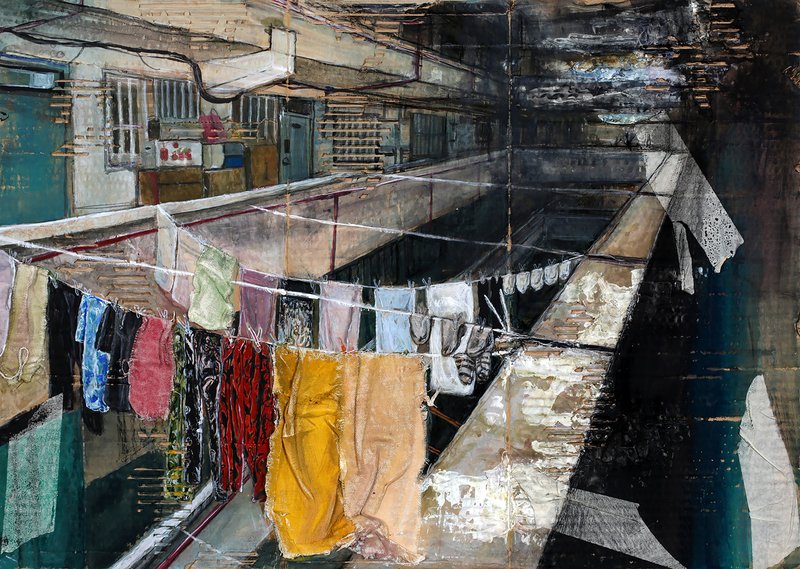
Pratt Film exists within art school context rather than film-specific institution. Students integrate with broader Pratt community — fine arts, design, writing, photography students all share campus. Different from dedicated film schools (NYU Tisch, USC Cinema, Columbia Film). Art school context influences filmmaking culture: more experimental orientation possible, cross-disciplinary collaboration common, smaller program than major film schools, less industry-focused preparation. Korean students should understand this context when choosing. Art school filmmaking produces different filmmakers than industry-focused programs.
Independent Film Orientation
Program emphasizes independent filmmaking rather than Hollywood industry preparation: personal vision development, experimental and hybrid forms encouraged, festival circuit orientation, independent production methods, artistic rather than commercial focus. Korean students with independent filmmaking interest find culture match. Commercial industry careers possible but require additional development. Korean independent film scene active — some graduates work in Korean independent context. International festival circuit provides career context. Career patience required — independent film develops over years.
Curriculum Structure
BFA Film typical progression: Year 1 foundation year, Year 2 introduces film through production courses, writing, history, Year 3 advanced production with significant projects, writing and directing courses, Year 4 senior thesis film. Students make multiple films throughout program. Technical courses cover cinematography, editing, sound, production. Writing fundamental — often underemphasized in film programs, Pratt treats seriously. Film history and theory. Cross-department electives with photography, animation, fine arts productive. Liberal arts through broader Pratt.
Comparison with Other Film Programs
Pratt Film vs CalArts Film: Both art school orientation but CalArts more explicitly experimental/avant-garde. Pratt somewhat more balanced. Pratt vs NYU Tisch: NYU much larger with more industry preparation, more competitive. NYU broader — encompasses commercial and independent. Pratt vs USC Cinema: USC major industry preparation, West Coast industry immersion. Different orientations entirely. Pratt vs SAIC Film: Both art school context with smaller film programs. Similar cultures. Korean students should match program to direction.
Portfolio Considerations
Pratt Film portfolio typically includes: visual work showing eye and composition, any film or video work (even simple smartphone films show thinking), writing samples (screenplays, shorts, essays), photography demonstrating visual sensibility, personal statement articulating filmmaking direction. Korean applicants should prepare: any film attempts, visual portfolio through photography or drawings, writing in English, personal statement about filmmaking motivation. Formal film experience not required — demonstrated interest and visual sensibility matter.
Brooklyn NYC Film Context
Brooklyn/NYC film context substantial: independent film production companies, film festivals (Tribeca, NewFest, etc.), post-production facilities, film community active, museums showing film (MoMA, Whitney), independent theaters (IFC Center, Film Forum, others). Korean students benefit from NYC film culture immersion. Alternative to LA industry context — NYC film culture more independent-oriented, literary, experimental. Career opportunities post-graduation through NYC connections. Brooklyn film community specifically creative and supportive.
Career Paths
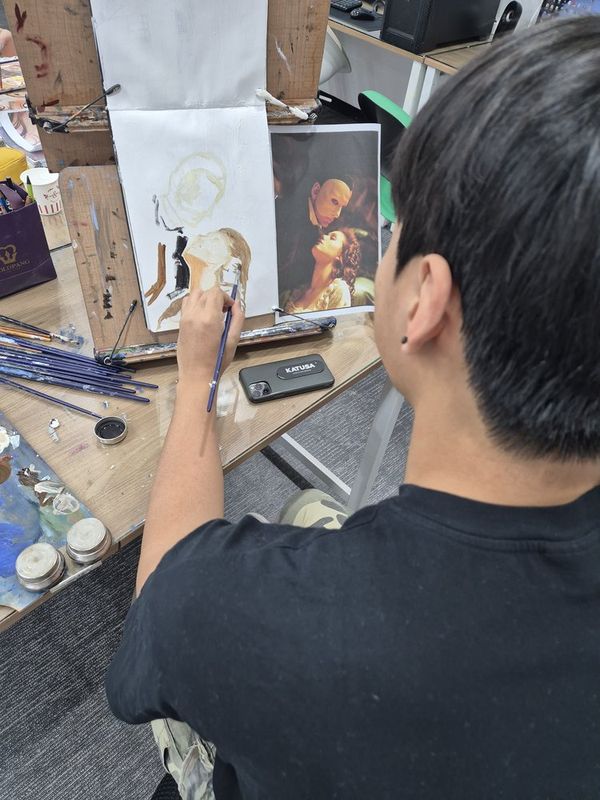
Pratt Film graduates pursue varied paths: independent filmmaking (festival circuit, limited theatrical, streaming), experimental film practice, production work (cinematography, editing, sound), documentary film, commercial work as foundation for independent practice, academic teaching, cross-disciplinary practice (installation, video art, hybrid forms). Korean students have opportunities: Korean independent film scene active, international festival pathway, eventual commercial work after reputation building. Career patience substantial — film careers build over decade-plus timeline typically.
Cross-Disciplinary Environment
Pratt’s art school environment enables cross-disciplinary film work productive for contemporary practice: collaboration with animation students for hybrid work, photography students for visual development, fine arts students for installation film, writing students for screenwriting collaboration. Contemporary filmmaking increasingly cross-disciplinary. Installation film, video art, documentary hybrid, experimental forms all possible. Different from industry-focused film school where commercial production standard. Korean students exploring film’s broader possibilities benefit from cross-disciplinary environment.
Korean Applicant Preparation
Korean applicants should develop: visual sensibility through photography or drawing, writing capability particularly narrative writing, any film experience with available technology, viewing substantial international cinema, critical thinking about film, exposure to Korean and international independent film scene. Korean Film Archive (KOFA) substantial resource. Indie-AnifestA, Jeonju International Film Festival exposure. Smartphone filmmaking develops fundamentals. Writing screenplays or short stories. Korean independent filmmakers engagement valuable.
Frequently Asked Questions
Pratt Film or CalArts Film?
Similar art school orientation. CalArts more explicitly experimental/avant-garde culturally. Pratt somewhat more balanced. Brooklyn vs Valencia (LA) locations. Program fit matters.
Do I need existing film experience?
Not required. Visual sensibility and writing can compensate. Any film attempt demonstrates interest. Program teaches filmmaking from foundation.
Can I work in commercial film industry?
Possible but not primary focus. Transition from art school to commercial requires specific work. Industry-focused programs (USC, NYU) more direct commercial preparation.
How competitive is admission?
Competitive but less selective than NYU Tisch or USC. Smaller program at Pratt. Korean students with demonstrated film interest and visual sensibility regularly admitted.
Next Steps
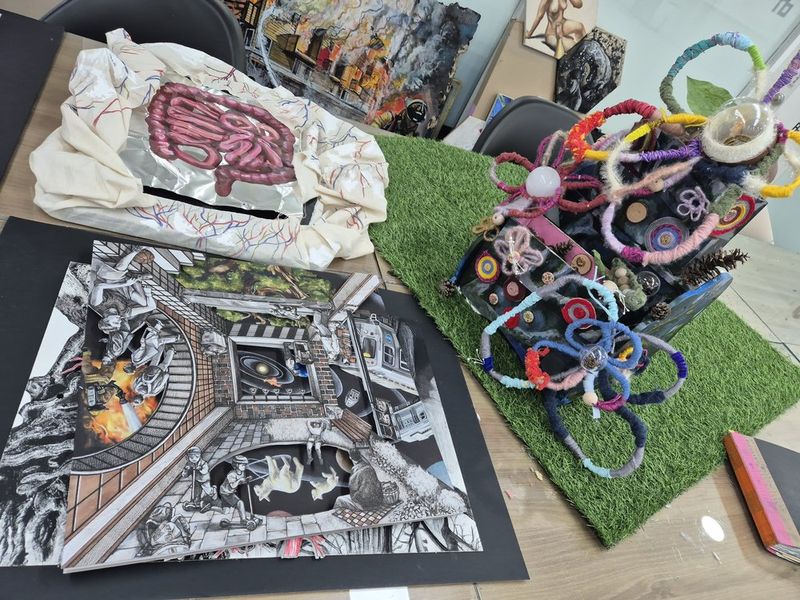
Pratt Film preparation benefits from visual development, writing, film exposure, personal creative voice. Korean students with independent filmmaking interest find art school context fit.
Ready for Pratt Film preparation? Contact Royal Blue Art & Design for guidance.
Related Reading
School Deep Dives
- Pratt Architecture Department: Deep Dive
- Pratt Fine Arts Department: Deep Dive
- CalArts Film and Video Program: Deep Dive
- SVA Film Department: Deep Dive
- Pratt Institute in 2026: What to Know