Quick Answer: RISD Textiles Department covers print design, weaving, and knit design — three major textile disciplines. Program distinguished by: material-first approach, extensive facilities for each area, balance of traditional craft and contemporary design practice, industry connections for textile and surface design. BFA Textiles 4-year with Foundation Year + 3 years major. Korean students with interest in surface design, pattern-making, or fiber work find distinctive fit. Portfolio should demonstrate color sensitivity, pattern thinking, some hands-making capability, design process. Career paths include fashion textile design, interior textiles, surface design, fiber art. Royal Blue Art guides Korean Textiles applicants with 19+ years of experience.
Understanding RISD Textiles Department helps Korean applicants with textile and surface design interests. According to publicly available information from RISD Textiles, department combines material mastery with design innovation. At Royal Blue Art & Design in Apgujeong, Seoul, we work with Korean Textiles applicants.
This guide covers RISD Textiles specific considerations.

Three Textile Disciplines
RISD Textiles organizes around three primary areas: Print design (textile printing, surface design, pattern-making for printed textiles), Weaving (loom-based textile creation, structural pattern development, varied weave techniques), Knit design (machine and hand knitting, knit structure design, knitted surface creation). Students typically specialize in one area while gaining foundation in others. Each area has distinct technical requirements, conceptual approaches, and industry applications. Korean students often drawn to Print (familiar from Korean fashion industry) but should consider Weaving and Knit which provide distinctive specialization less common among Korean applicants. All three viable career paths with different industry contexts.
Department Philosophy
RISD Textiles emphasizes material-first approach: understanding fiber and fabric properties, technical skill development, design thinking informed by material knowledge, balance of traditional techniques and contemporary application. Program produces textile designers capable of thinking across traditional and innovative practice. Sustainability increasingly important — environmental impact of textile production central concern for contemporary practice. Korean students with fashion or pattern design interest gain broader textile foundation. Programs distinct from purely fashion-focused textile training — RISD includes textiles for interiors, art practice, experimental applications beyond fashion. Material craftsmanship valued alongside design concept.
Curriculum Structure
BFA Textiles typical progression: Foundation Year, Year 2 introduces textiles across three areas, Year 3 specialization in chosen area with advanced studios, electives across fiber and related disciplines, Year 4 senior studio with independent practice and thesis work. Technical courses support design thinking. Color theory specifically important for textile design. Pattern theory and repeat design skills developed. History of textiles studied — Korean, Asian, global textile traditions. Liberal arts throughout. Cross-department work possible — Apparel, Furniture, Graphic Design productive connections. Industry-focused courses prepare for professional textile design careers.
Facilities
Substantial facilities support each textile area: Print studios with screen printing, digital printing, dye facilities, Weaving studios with floor looms, table looms, electronic jacquard looms, Knit facilities with domestic machines, industrial machines, hand knitting areas, Color labs with dye chemistry resources, Digital design stations with textile-specific software. Students gain hands-on access throughout program. Facility staff support safe equipment use. Korean students often surprised by facility scale — comprehensive textile facilities rare in Korean university contexts. Hands-on technical development essential for textile design careers — RISD preparation produces capable makers alongside designers.
Portfolio Considerations
Strong RISD Textiles portfolio demonstrates: color sensitivity through work, pattern thinking or surface design ideas, some hands-making through any textile or craft work, drawing capability including observational drawing, design process and iteration, materials awareness, personal aesthetic voice emerging. Korean applicants with drawing strength and color sensibility positioned well. Pure graphic design portfolios without materials engagement less competitive. Include samples of any printed work, pattern studies, textile experiments, craft work showing color and pattern thinking. Drawing portfolio essential alongside textile-specific work. Korean traditional textile interest (hanbok fabrics, natural dyes, traditional patterns) can productively connect.
Korean Textile Heritage
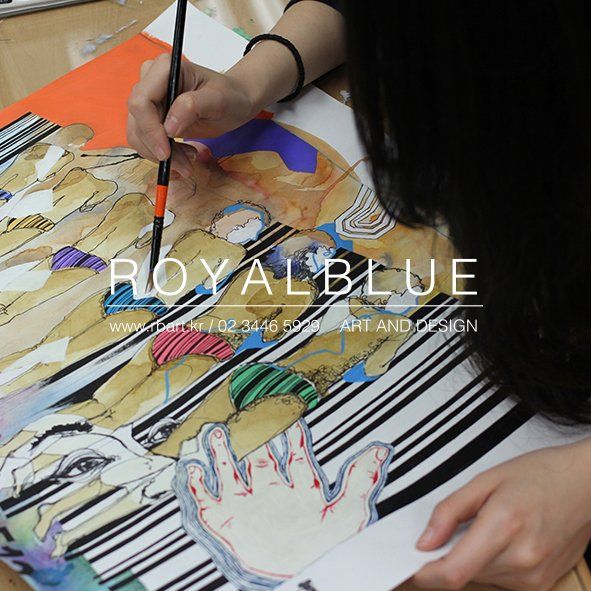
Korean students can engage substantial Korean textile heritage: natural dye traditions (indigo 쪽염, persimmon 감물, onion skin, walnut), hanbok fabric traditions (silk, ramie, hemp), traditional Korean patterns (태극 patterns, nature-inspired), Korean embroidery (자수), bojagi wrapping cloth tradition, contemporary Korean textile designers gaining international recognition. Authentic engagement with Korean textile traditions produces distinctive portfolio work. Not tourism reference but substantive material and technical engagement. Korean traditional textile knowledge valuable technical foundation combinable with RISD contemporary practice. Korean students sometimes undervalue heritage — textile context appreciates cultural specificity.
Career Paths
RISD Textiles graduates pursue varied paths: fashion textile design for clothing companies, interior textiles for furniture/home goods companies, surface design for varied products, fiber art gallery practice, textile consulting and freelance, textile technology and sustainable design, academic teaching. Korean students have advantage through Korean fashion and textile industry — Samsung C&T Fashion, LG Fashion, Korean textile manufacturers actively recruit. Korean textile export industry significant employer. International textile design careers accessible. Career development typically through internships during studies building industry connections. NYC textile industry accessible.
Korean Applicant Preparation
Korean applicants should develop: drawing capability with color and pattern focus, some hands-making experience through textile or craft work, color sensitivity and theory knowledge, pattern thinking through observation and design, materials awareness through experimentation, exposure to textile history and contemporary practice, Korean textile heritage engagement. Seoul craft facilities and classes offer hands-making opportunities. Korean Folk Museum and National Museum exposure to Korean textile tradition. Visit Korean textile markets (Dongdaemun, Gwangjang) for material exposure. Experiment with dyeing, printing, simple weaving. Contemporary Korean textile designers research valuable.
Frequently Asked Questions
Should I specialize in Print, Weave, or Knit before applying?
Not required. Program teaches all three in foundation, specialization later. Application portfolio doesn’t need area-specific work though some textile experience helpful.
Is Textiles distinct from Fashion Design?
Yes. Textiles focuses on materials and surfaces used in fashion and other contexts. Fashion Design focuses on garment design using textiles. Related but distinct careers.
Are career prospects good for textile designers?
Yes for skilled designers. Korean textile and fashion industries employ textile designers. Surface design applicable across many industries. Technical skill plus design thinking combination valued.
Does Korean heritage help application?
Yes. Korean textile tradition distinctive. Authentic engagement with Korean material traditions produces distinguishing portfolio work. Not required but valuable when genuine.
Next Steps
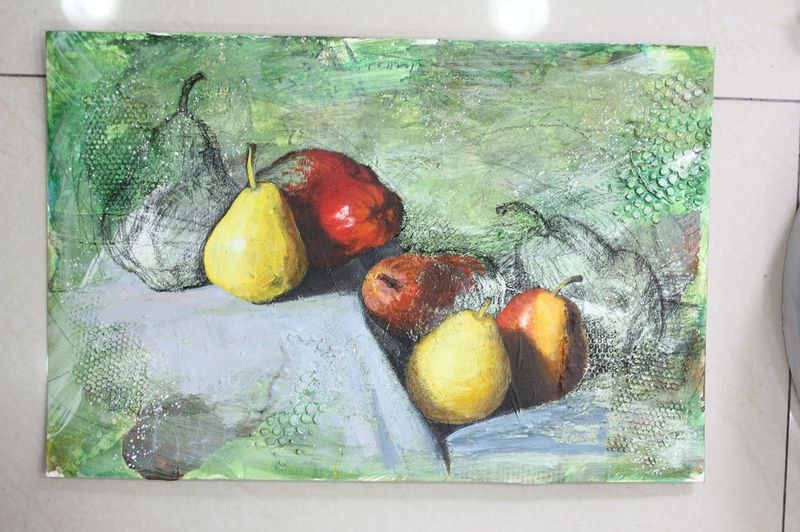
RISD Textiles preparation benefits from color and pattern development, materials experimentation, and textile history engagement. Korean students with these elements combined with craft interest prepare effectively.
Ready for RISD Textiles preparation? Contact Royal Blue Art & Design for guidance.
Related Reading
RISD Department Deep Dives
- RISD Sculpture Department: Deep Dive
- RISD Photography Department: Deep Dive
- RISD Furniture Design Department: Deep Dive
- RISD Jewelry and Metalsmithing Department: Deep Dive
- Rhode Island School of Design in 2026: What Has Changed