Quick Answer: RISD Painting Department offers rigorous contemporary painting education combining technical capability with critical artistic practice. Program distinguished by: strong studio culture with dedicated painting studios, expansive approach to what painting is (traditional and expanded practices), rigorous critique culture, faculty of practicing artists, integration with broader RISD fine arts community. Four-year BFA with Foundation Year + 3 years major. MFA Painting offered as 2-year graduate program. Korean students pursuing fine arts painting find RISD Painting provides substantive preparation. Portfolio should show observational capability, personal direction emerging, willingness to experiment, sustained work development. Royal Blue Art guides Korean Painting applicants with 19+ years placing students in fine arts programs.
Understanding RISD Painting Department specifics helps Korean applicants target fine arts preparation effectively. According to publicly available information from RISD Painting, department emphasizes painting as substantive contemporary practice. At Royal Blue Art & Design in Apgujeong, Seoul, we guide Korean Painting applicants through specific preparation.
This guide covers RISD Painting specific considerations.
Department Philosophy
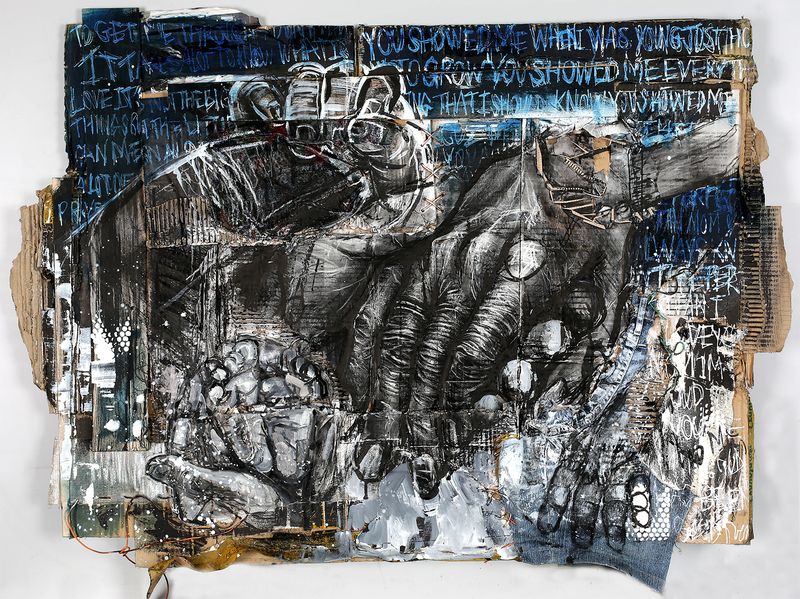
RISD Painting treats painting as substantive contemporary practice capable of addressing current questions. Program philosophy emphasizes: painting as ongoing substantive discipline (not merely traditional technique), expansive definition of painting including traditional and expanded practices (video, installation, hybrid approaches), critical engagement with art history and theory, personal voice development through sustained practice, rigorous critique and conversation culture. Approach differs from programs treating painting as either purely technical skill or purely concept-driven practice. RISD balances both. Korean students sometimes expect painting as classical technique training — RISD expects both technique and contemporary thinking. Korean painting tradition awareness can productively connect with contemporary approaches.
Curriculum Structure
BFA Painting typical progression: Foundation Year integrated across RISD majors, Year 2 introduces painting studios, art history, critical studies, Year 3 advanced studios with increasing independence, electives across fine arts disciplines, Year 4 senior studio, thesis project, professional preparation. Core courses include Painting Studio (throughout), Drawing (continuous), Art History, Critical Studies. Students develop personal direction over years. Liberal arts requirements throughout. Brown University cross-registration available. Cross-departmental exploration with Printmaking, Photography, Sculpture, other fine arts common. Senior year culminates in thesis project exhibited publicly. Studio intensity significant though different character than architecture studio culture.
Studio Culture
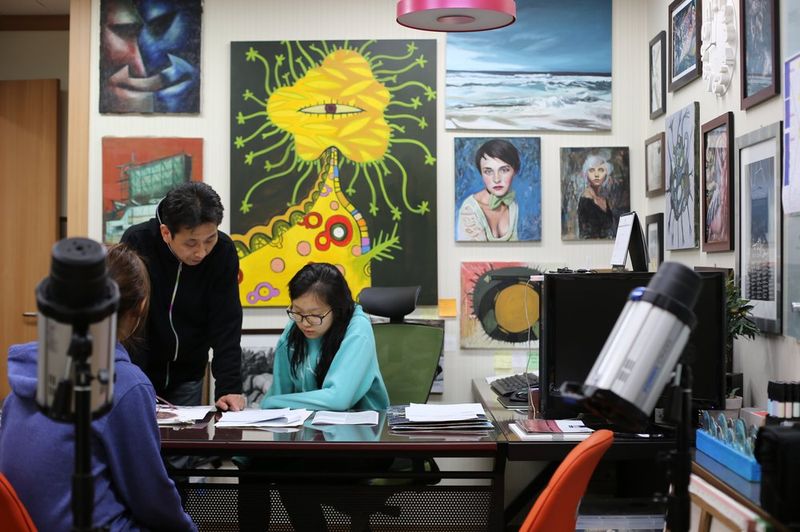
Painting studio culture distinctive: dedicated painting studios students work in throughout program, critique culture central — work discussed publicly with peers and faculty regularly, sustained independent practice expected alongside assigned studios, peer conversation and influence significant, exposure to visiting artists through lectures and studio visits. Korean students often adapting to open critique culture — directly discussing work with peers and faculty requires English capability plus cultural adjustment. Critiques sometimes direct or challenging. Feedback comes from multiple perspectives — individual faculty, group critiques, peer conversations. Students develop capability to respond to criticism while maintaining personal direction.
Portfolio Considerations
Strong RISD Painting portfolio typically demonstrates: painting capability (not necessarily polished — capable and interesting), drawing foundation (RISD values drawing across all fine arts), some observational work alongside imaginative, personal voice emerging through work, willingness to experiment with approaches, range of subjects and approaches, sustained work development (not all single session), some thinking about what painting does and means. Purely technical academy-style work without personal direction less competitive. Korean drawing technical strength provides foundation but needs extension into personal voice. Include variety of painting approaches — observational, abstract, representational, experimental. Show evolution of thinking.
Faculty and Alumni
RISD Painting faculty include practicing artists with substantive careers: painters with gallery representation and exhibition history, artists working across painting and other media, critics and curators teaching alongside studio faculty, visiting artists throughout year. Faculty bring current contemporary art world knowledge. Alumni network includes prominent contemporary artists, gallery-represented practitioners, academic teachers at painting programs nationally. Korean alumni include several significant contemporary painters internationally. Alumni resource for career development and art world introduction. Connection to contemporary art world through faculty and alumni substantial.
Career Paths

RISD Painting graduates pursue varied paths: gallery-represented painting practice, cross-disciplinary artistic practice, academic teaching at university level (typically after MFA), art-related professions (curator, art writer, arts administrator), commercial art and illustration combined with painting practice. Fine arts career paths often slow-developing — sustained practice over decades rather than immediate career success typical. MFA often necessary for academic teaching positions. Korean students pursuing painting practice often combine with other income sources during career development. Contemporary art market contains both opportunity and challenge — RISD preparation provides foundation for navigating professional art world.
MFA Graduate Program
RISD MFA Painting separate track from BFA: 2-year intensive graduate program, smaller cohort with individual studio space, focuses on advanced independent practice, highly ranked graduate program nationally. MFA applicants typically have BA/BFA with strong undergraduate preparation or substantial independent practice. Korean students sometimes target MFA directly after Korean undergraduate. Graduate culture distinct from undergraduate — more peer-intensive, research-focused, career-preparation oriented. Application requires strong portfolio demonstrating capability beyond undergraduate level, statement of purpose, recommendation letters. MFA programs particularly competitive given limited spots and career implications.
Korean Applicant Preparation
Korean applicants should develop: drawing and painting capability through sustained practice, personal voice development beyond academy uniformity, contemporary art exposure through exhibitions and reading, ability to discuss work conceptually, English communication for future critiques, sustained project development habits, reading in art history and contemporary art criticism. Korean technical skills typically strong — development areas usually personal voice and contemporary art engagement. Seoul contemporary art scene exposure valuable — visit galleries, museums (Leeum, MMCA, Gallery Hyundai, Gallery Baton, Kukje Gallery, Arko Art Center). International travel for major art exposure when possible. Reading contemporary art publications.
Frequently Asked Questions
Is RISD Painting stronger than SAIC Painting?
Both excellent with different cultures. RISD more studio-intensive traditional fine arts approach. SAIC more interdisciplinary with museum integration. Program culture fit matters more than comparative ranking.
Do I need gallery exhibition experience before applying?
Not required. Strong portfolio matters more than exhibition history. Any relevant exhibition experience valuable in application but not essential. Portfolio development takes priority.
Should my portfolio show specific painting style?
Range often stronger than single style. Show capability across approaches while demonstrating emerging personal direction. Pure single-style portfolios sometimes narrower than RISD preferences.
How challenging is critique culture adaptation?
Significant for many Korean students. English critique plus cultural directness requires adjustment. Program supports adaptation. Students typically develop capability over time.
Next Steps
RISD Painting preparation benefits from personal voice development alongside technical capability. Korean students bringing both technical skill and contemporary art engagement compete effectively.
Ready for RISD Painting preparation? Contact Royal Blue Art & Design for guidance.
Related Reading
RISD Department Deep Dives
- RISD Furniture Design Department: Deep Dive
- RISD Architecture Department: Deep Dive
- RISD Illustration Department: Deep Dive
- RISD Ceramics Department: Deep Dive
- Rhode Island School of Design in 2026: What Has Changed