School of Visual Arts — known almost universally as SVA — is one of the most recognizable art school names in the world. Located in the heart of Manhattan, it has been producing working artists, designers, illustrators, and filmmakers for over seventy years. But is SVA actually a good school for art? Here is an honest, complete answer.
What Is SVA?
SVA (School of Visual Arts) is a private art and design college located in New York City, founded in 1947. It began as a school for comic book artists and illustrators, and that origin still shapes its identity today: SVA has always been oriented toward working professionals, practical skill, and the realities of building a creative career.
Today SVA offers undergraduate and graduate programs across more than thirty disciplines, including fine art, illustration, graphic design, photography, film, animation, UX design, and art therapy. Its student body is large — around 4,000 undergraduate students — and its faculty is almost entirely composed of working professionals rather than full-time academics.
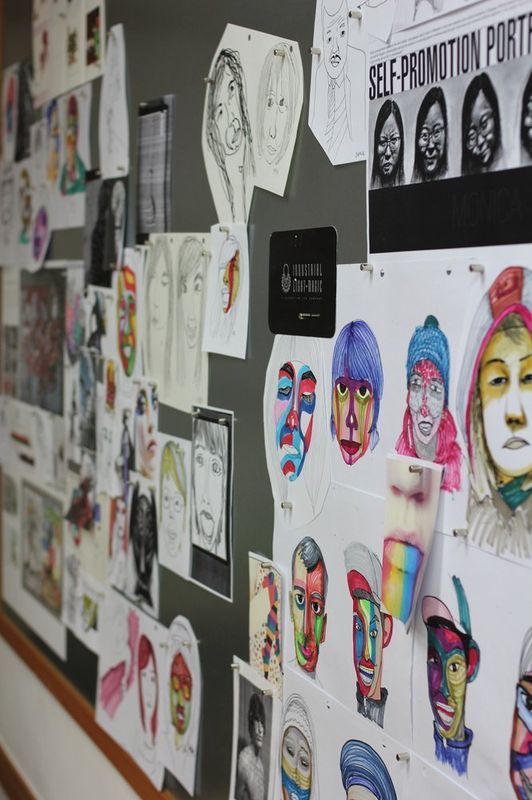
Is SVA a Good Art School? The Direct Answer
Yes — SVA is a genuinely good art school, particularly for students who want direct, practical training from working professionals in a New York City context.
It is not the same kind of school as RISD or CalArts. SVA is larger, more professionally oriented, and more accessible in terms of admissions. But for the right student, it offers something those schools don’t: an education delivered entirely by people who are actively working in the fields you want to enter, in the city where those fields are most concentrated.
What Makes SVA Strong?
A faculty of working professionals. SVA’s faculty model is its defining characteristic. Rather than hiring full-time professors, SVA recruits instructors who are currently working in their fields — art directors at major agencies, illustrators whose work appears in The New Yorker, filmmakers with active production careers, designers at top studios. You are not learning from academics. You are learning from practitioners.
New York City as your classroom. SVA sits at the intersection of several of New York’s most creative neighborhoods. Galleries, studios, agencies, and production companies are not aspirational destinations — they are part of your daily environment. For students who want to build industry connections while still in school, no location in the world offers more.
Strong programs in illustration and graphic design. SVA is particularly respected for its BFA programs in Illustration and Graphic Design. Its illustration alumni include some of the most recognized names in American editorial and commercial illustration. These programs have a long track record of producing graduates who work immediately and consistently after graduation.
MFA programs with serious reputations. SVA’s graduate programs — particularly the MFA in Illustration as Visual Essay, the MFA in Design, and the MFA in Fine Arts — are respected internationally. The MFA in Illustration as Visual Essay is considered one of the most innovative graduate programs in the field.
Accessibility and flexibility. SVA is more accessible than RISD or Parsons in terms of admissions, and its large program offerings give students more flexibility to explore across disciplines. For students who are still developing their creative direction, this flexibility can be genuinely valuable.
Where Does SVA Have Limitations?
Being honest about a school’s limitations is as important as recognizing its strengths.
SVA is large. With thousands of undergraduate students, SVA does not offer the tight-knit studio culture of RISD or the intimate community of CalArts. Students who need a close-knit environment to do their best work may find SVA’s scale overwhelming rather than energizing.
The fine art program is less prominent than at peer schools. SVA’s strength is in applied and commercial arts — illustration, design, photography, film. Its fine art program is solid but does not carry the same weight as the fine art programs at RISD, SAIC, or Yale. Students with serious fine art ambitions may find stronger environments elsewhere.
Admissions is less selective. SVA’s acceptance rate is significantly higher than RISD or Parsons. For some students this is an advantage — it broadens access. But it also means the SVA name carries somewhat less prestige in certain contexts than the most selective art schools.
Financial aid is limited. Like most private art schools in the US, SVA offers limited financial aid for international students. Costs are high, and scholarships are competitive. [→ See our guide: SVA Financial Aid for International Students]
How Does SVA Compare to Other New York Art Schools?
New York is home to several strong art schools, and SVA is frequently compared to its neighbors.
| SVA | Parsons | Pratt | Cooper Union | |
|---|---|---|---|---|
| Acceptance rate | ~70% | ~65% | ~55% | ~13% |
| Strongest programs | Illustration, Graphic Design, Film | Fashion, Interior Design | Fine Art, Architecture | Art, Architecture, Engineering |
| Faculty model | Working professionals | Mix of academics and practitioners | Mix | Mix |
| Cost | ~$50,000/year tuition | ~$55,000/year tuition | ~$52,000/year tuition | Tuition-free |
| Campus feel | Urban, spread across Manhattan | Urban, Flatiron District | Brooklyn campus + NYC | Cooper Square, Manhattan |
For students deciding between SVA and Parsons, the key distinction is this: Parsons has stronger name recognition internationally and a more prestigious reputation in fashion and commercial design, but SVA’s faculty model and professional orientation give it a distinctive practical edge for illustration and certain design fields.
[→ See our full SVA vs Parsons comparison] [→ See our full SVA vs Pratt comparison]
What Do SVA Graduates Do?
SVA graduates work across virtually every creative field. The school’s alumni include:
- Milton Glaser, who designed the I ♥ NY logo and co-founded New York Magazine
- Graduates working as art directors, creative directors, and senior designers at major agencies and brands
- Illustrators whose work appears regularly in major publications
- Filmmakers, animators, and photographers with active professional careers
The SVA alumni network in New York is extensive, and the school’s professional orientation means graduates tend to enter the workforce quickly and with practical skills that employers recognize.
Is SVA Right for You?
SVA is likely a strong fit if:
- Illustration, graphic design, photography, or film is your primary interest
- You want to learn directly from working professionals rather than academics
- New York City energy and industry access are important to your learning
- You are looking for a more accessible entry point into a serious New York art education
SVA may not be the best fit if:
- Fine art is your primary focus — RISD or SAIC may serve you better
- You want a smaller, more intimate studio community — CalArts or MICA may be a better match
- You are looking for the most prestigious name recognition — RISD or Parsons carry more weight in certain international contexts
The Verdict: Is SVA a Good School for Art?
Sva.eduYes — SVA is a good school for art, and for specific disciplines it is an excellent one. Its faculty model is genuinely distinctive, its New York location is unmatched, and its illustration and design programs have produced some of the most successful working artists and designers in the US.
It is not the right school for every student. But for the student who wants practical, professional training in an urban creative environment — and who is ready to take full advantage of New York — SVA delivers real value.

Frequently Asked Questions
Is SVA hard to get into? SVA is less selective than RISD or Parsons, with an acceptance rate of around 70%. However, competitive programs within SVA — particularly MFA programs — are significantly more selective. The portfolio remains the most important component of any application. [→ See our complete guide to getting into SVA]
Is SVA good for Korean students? Yes. SVA has a substantial international student population and is experienced in supporting students from Korea. Its practical, professionally oriented curriculum translates well for Korean students who are strong technically and developing their individual creative voice.
Is SVA better than Parsons? SVA and Parsons have different strengths. Parsons leads in fashion design and has stronger international name recognition. SVA leads in illustration and offers a more professionally oriented faculty model. The better choice depends on your discipline and learning style. [→ See our full SVA vs Parsons comparison]
Is the SVA MFA worth it? Several SVA MFA programs — particularly Illustration as Visual Essay and Design — are highly regarded internationally. Whether the investment is worth it depends on your specific career goals and financial situation.