
How Japanese and Korean Portfolio Cultures Differ
Japanese art universities test international applicants in person, in Japanese, in December. Tama and Musashino’s 2027 requirements, costs and calendar compared with U.S. applications.
Japanese art universities test international applicants in person, in Japanese, in December. Tama and Musashino’s 2027 requirements, costs and calendar compared with U.S. applications.

Korean families often hear that Chinese applicants are a growing threat. Open Doors 2025 shows both groups shrinking at undergraduate level, and no school publishes country quotas.
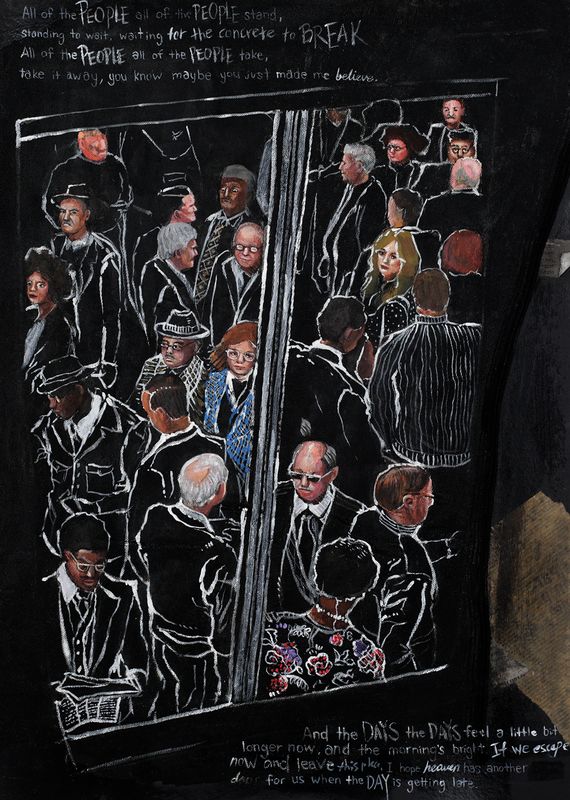
Why individual voice matters more than national portfolio style for East Asian applicants.

Instead of national stereotypes, a structural comparison: Korean and Japanese students both train for timed exams, and both must translate that training into a U.S. portfolio.

A Korean arts high school builds observational skill that U.S. schools ask for. Turning assignments into a portfolio also needs recent self-directed work, process and English writing.
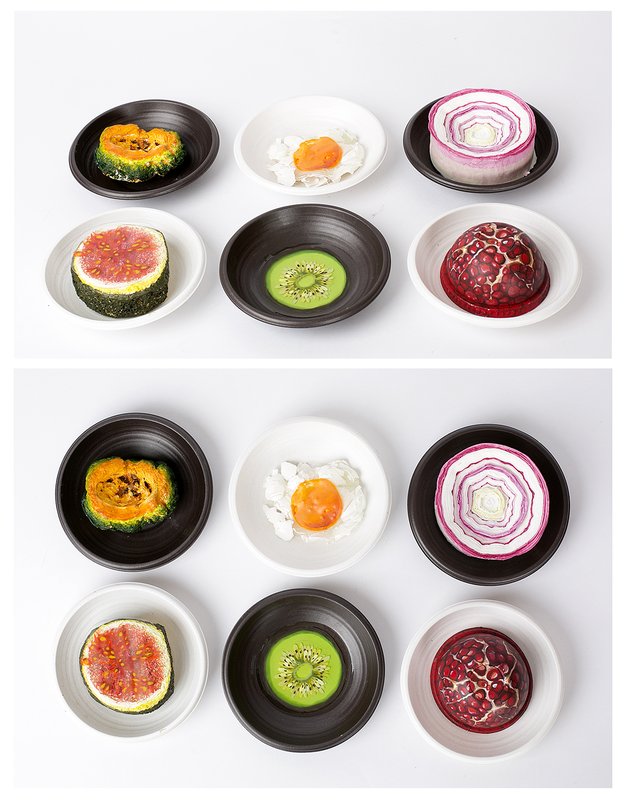
U.S. schools apply the same written rules to every applicant, wherever their arts high school is. The real difference between Seoul and Gyeonggi schools is time for self-directed work.

U.S. schools apply the same rules to every applicant, so compare Seoul Arts High School and Sunhwa on practical fit. Five questions to ask each school, and what U.S. applications need.

Whether an arts high school prepares you for the U.S. depends on the documents it can provide. Transcripts, translations, recommendations, and when to request them.

A strong academic record opens two doors: university art majors where the portfolio is optional, and art schools where it is central. How academic-school students should plan.

Aalto University is a leading Finnish design university famous for design education, sustainability focus, and Scandinavian aesthetic tradition. RISD is a top US dedicated art school. A comparison for Korean students considering Scandinavian design education vs US art school.

Korea National University of Arts (K-Arts) offers distinctive Korean art education path. Comparison with US art schools helps families evaluate trade-offs between Korean and US study options.

Hongik’s 2027 art admissions have no practical test; U.S. schools judge a portfolio. What each side actually assesses, where they overlap, and where they do not.