What Happens If You Prepare for US Art School Without Help?
What actually happens when Korean students
prepare for US art school without professional
help? Here’s what self-preparation typically
produces — and where it consistently falls short.
What actually happens when Korean students
prepare for US art school without professional
help? Here’s what self-preparation typically
produces — and where it consistently falls short.
Whether a Korean student needs an academy for U.S. art school, judged by what schools actually require.

The PID System is Royal Blue’s core methodology
for portfolio preparation — P (Process), I (Individual),
D (Data). Here’s what it means and why it produces
stronger portfolios than formula-driven approaches.
Creative voice is in the schools’ rules. What they ask for, and how to tell whether an academy teaches a voice or a look.

Should you choose a Korean art academy with group classes or individual instruction? The answer depends on what you are actually preparing for.

Individual instruction is the core of effective
portfolio preparation. Here’s what it means at
Royal Blue — and why it produces better outcomes
than group-only programs.

The number of students an academy enrolls each year tells you a great deal about the quality of preparation they can actually provide. Here is what to look for.
No academy acceptance rate is standard. Ask what it’s divided by, and compare acceptances and awards by school and year instead.
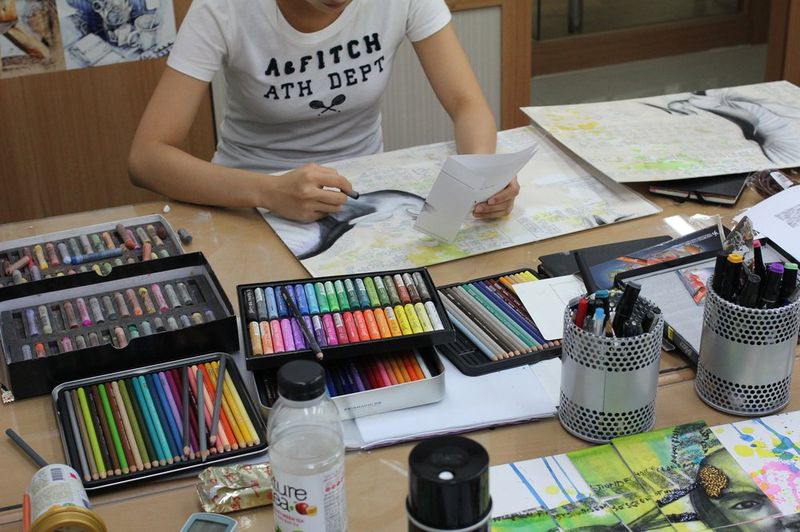
Not all acceptance claims from Korean art academies are what they appear to be. Here is how to evaluate them critically before making a decision.

Many Korean art academies claim US admissions expertise. Here is how to find out whether that expertise is real — and why it matters.
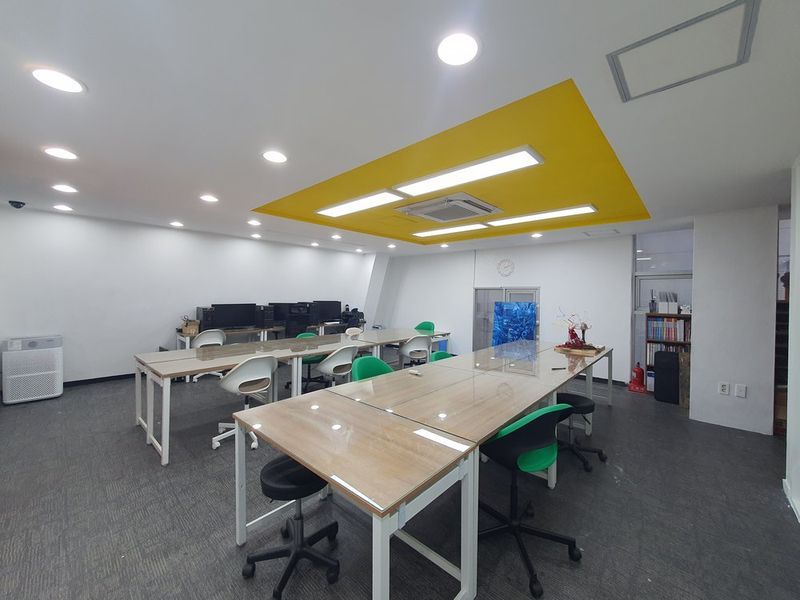
Not all Korean art academies are the same — and the differences matter enormously for US admissions outcomes. Here is what to look for.
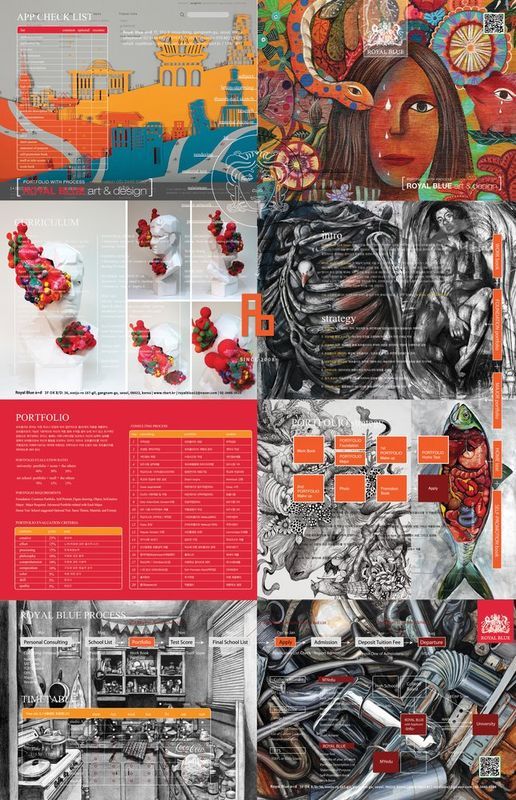
How long to prepare a U.S. art school portfolio, set by schools’ recency rules and deadlines rather than guesswork.