Quick Answer: RISD Industrial Design (ID) Department prepares students for product design careers through systematic design process, prototyping skills, materials and manufacturing knowledge, and critical design thinking. BFA ID program distinguished by: extensive prototyping facilities, emphasis on process alongside product, balance of technical and conceptual development, strong alumni in design industry globally. Four-year BFA with Foundation Year + 3 years major. Korean students with design interests and hands-making orientation compete strongly. Portfolio should show three-dimensional thinking, process documentation, materials experimentation, design problem-solving. Royal Blue Art guides Korean ID applicants with 19+ years of experience placing students in design programs.
Understanding RISD Industrial Design Department helps Korean applicants prepare for design-focused applications. According to publicly available information from RISD Industrial Design, department balances traditional craft with contemporary design thinking. At Royal Blue Art & Design in Apgujeong, Seoul, we work with Korean ID applicants.
This guide covers RISD Industrial Design specific considerations.
Department Philosophy
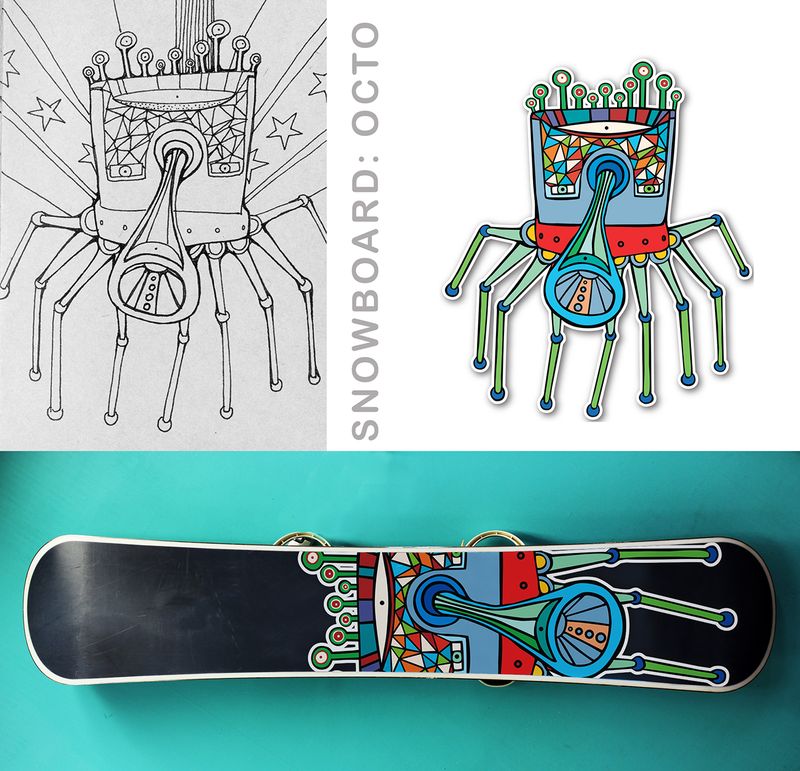
RISD ID approaches industrial design as systematic problem-solving combined with material craft. Program philosophy: design as process not just product, understanding users and contexts alongside technical execution, materials and manufacturing knowledge as designer’s responsibility, sustainability and social impact considerations, prototyping and making as core practice. Approach differs from purely aesthetic product design — RISD produces designers who think substantively about design’s role in society and manufacturing. Korean students sometimes expect ID as “making cool products” — RISD approach expands this to design thinking addressing real problems. Hand-making emphasis distinguishes from some programs focused primarily on digital visualization.
Curriculum Structure
BFA ID typical progression: Foundation Year integrated with other RISD majors, Year 2 introduces design process, materials, workshop fundamentals, Year 3 advanced design studios, specialized electives, research methods, Year 4 senior studio, thesis project, professional preparation. Core courses include Design Studio progression, Materials and Processes, Design History, Human Factors, Manufacturing Knowledge. Students spend substantial studio time on design projects. Liberal arts requirements throughout. Cross-departmental work possible — collaboration with Furniture Design, Architecture, Apparel, Graphic Design common. Brown University cross-registration for academic subjects. Program demanding in both time and intensity.
Prototyping Facilities
RISD ID distinguishes through extensive prototyping facilities: wood shops, metal shops, ceramics/plaster workshops, fiber facilities, plastics labs, 3D printing including industrial-grade machines, CNC machining, laser cutting, model-making facilities. Students learn to operate machines safely and use them creatively for design work. Hands-on capability developed throughout program. Korean students often strong in digital design but less experienced with physical making — RISD develops this capability substantially. Physical making knowledge essential for professional ID practice — RISD preparation produces capable makers alongside designers. Facilities access continues through graduation supporting thesis work. Safety training required before accessing equipment.
Portfolio Considerations
Strong RISD ID portfolio typically demonstrates: three-dimensional thinking through sketches, models, or built objects, process documentation showing project development, materials experimentation and understanding, some hands-making capability visible, problem-solving methodology, observational drawing capability, varied scales and typologies (not all same kind of object), some critical thinking about design context. Pure Photoshop/rendering portfolios without physical making component less competitive. Process sketchbooks valuable — show thinking development. Korean applicants often need development in process documentation and physical making specifically. Include sketches and studies alongside finished work.
Faculty and Resources
RISD ID faculty include practicing designers alongside teaching: product designers with industry experience at major companies, furniture designers with independent practice, designers working on sustainability and social impact, cross-disciplinary designers. Faculty connections to design industry valuable for career development. Studio facilities extensive as noted. Library collection strong for design research. Visiting designer lectures and workshops supplement curriculum. Cross-department access to Furniture Design, Architecture resources. Career services and industry connections support post-graduation. Alumni network includes designers at major firms and independent practices globally.
Career Paths
RISD ID graduates pursue varied paths: consumer product design at major corporations, independent design studios and consultancies, in-house design teams at technology and consumer goods companies, furniture and object design practice, sustainable design focus, social impact design, cross-disciplinary design integrating with other fields. Korean students have advantage through Korean corporate design recognition (Samsung, LG, Hyundai corporate design departments active). Korean startup ecosystem increasingly needs ID expertise. US career paths also available. Salary expectations for entry-level ID typically moderate with growth potential. Alumni network provides career development support across generations.
Korean Applicant Preparation
Korean applicants should develop: three-dimensional thinking through physical models, hands-making capability through workshop or maker space time, process documentation habits, design thinking beyond software execution, materials understanding and experimentation, drawing capability (observational and design sketching), design research methods, ability to explain design decisions substantively. Korean technical drawing strength provides foundation but needs extension into design thinking. Maker space or workshop access during preparation valuable — Seoul has FabLab options. Materials experimentation through personal projects. Reading design books and publications builds context.
Frequently Asked Questions
Is RISD ID as strong as ArtCenter Product Design?
Both excellent with different emphases. RISD more craft/making oriented, ArtCenter more industry/professional focused. Program culture differs substantially. Evaluate based on direction and fit.
Do I need workshop experience before applying?
Helpful but not required. RISD teaches workshop skills. Demonstrating willingness to make physically through portfolio matters more than prior training. Some hands-making work helpful.
Should I include digital rendering in portfolio?
Some yes. But digital shouldn’t dominate. Balance digital with physical models, sketches, process. RISD values hands-making alongside digital capability.
How does ID differ from Furniture Design at RISD?
Related but distinct. Furniture Design focuses specifically on furniture as typology. ID broader across product types. Some overlap with students collaborating. Choose based on specific interest.
Next Steps
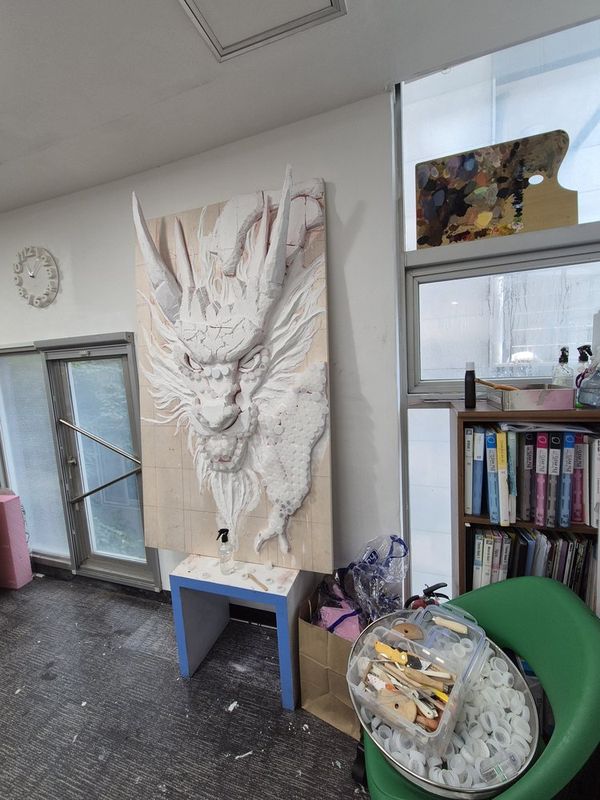
RISD Industrial Design preparation benefits from making experience, process documentation, and design thinking development. Korean students investing in physical making alongside digital capability prepare effectively.
Ready for RISD Industrial Design preparation? Contact Royal Blue Art & Design for guidance.
Related Reading
RISD Department Deep Dives
- RISD Graphic Design Department: Deep Dive
- RISD Illustration Department: Deep Dive
- RISD Architecture Department: Deep Dive
- RISD Furniture Design Department: Deep Dive
- Rhode Island School of Design in 2026: What Has Changed